A Guide to Kibale Forest National Park
This guide to Kibale Forest National Park will take you to one of the best destinations in Africa, famous for its diverse resident primates, hence its name, the “primate capital of the world.” The park has a rich ecosystem with unique habitats that support primate diversity in East Africa.
This largely forested park is located in western Uganda, spanning the districts of Kamwenge, Kyenjojo, and Kabarole. This park is a remarkable destination for the highest concentration of chimpanzees and several resident primates.
Kibale Forest is one of Uganda’s dense forested parks, spanning a vast size of land in western Uganda, elevated at about 1100 meters to 1600 meters above sea level.
The park can easily be accessed due to the good road networks connecting to major towns and other protected areas around the park, such as Fort Portal, Kyejojo, Kamwenge, Kasese, and Kabarore towns. Other parks that are near Kibale Forest include Queen Elizabeth National Park, Semliki Valley National Park, and Rwenzori Mountains National Park.
This park was officially established in 1993, mainly to protect the large forested area and its wildlife species from being a logged forest reserve. The park is a unique ecotourism destination famous for wildlife and primate safaris with the highest concentration of habituated chimpanzees and several other primates.
The park is strategically located south of Fort Portal town, which is about 26 km from Fort Portal. Kasese town is south of Kibale National Park, which is about 98 km away from the road, taking a duration of about 2 hours. On the other hand, Kamwenge town is located east of the park, about 37 km away, which may take about 40 minutes by car.
It covers over 795 km, protecting moist tropical rainforest with a diverse array of landscapes. Besides the rare chimpanzees, the Uganda red colobus monkey is one of the 13 primate species found only in Kibale Forest National Park, more than any other park in the country.
The park lies in the shadow between the snow-capped Rwenzori mountains and the popular Queen Elizabeth National Park, forming part of the wide ecotourism corridor that allows roaming of animals between habitats.
Kibale Forest is home to over 70 mammals, 351 species of trees, 375 species of birds, 250 butterfly species, and 13 primates, among others.
Besides chimpanzees, the park’s highlight, other resident primate species to see include the red-tailed monkey, blue monkey, red colobus monkey, black and white colobus monkey, bush babies, L’Hoest’s monkey, olive baboon, potto, grey-cheeked mangabey, galago, and vervets, among others.
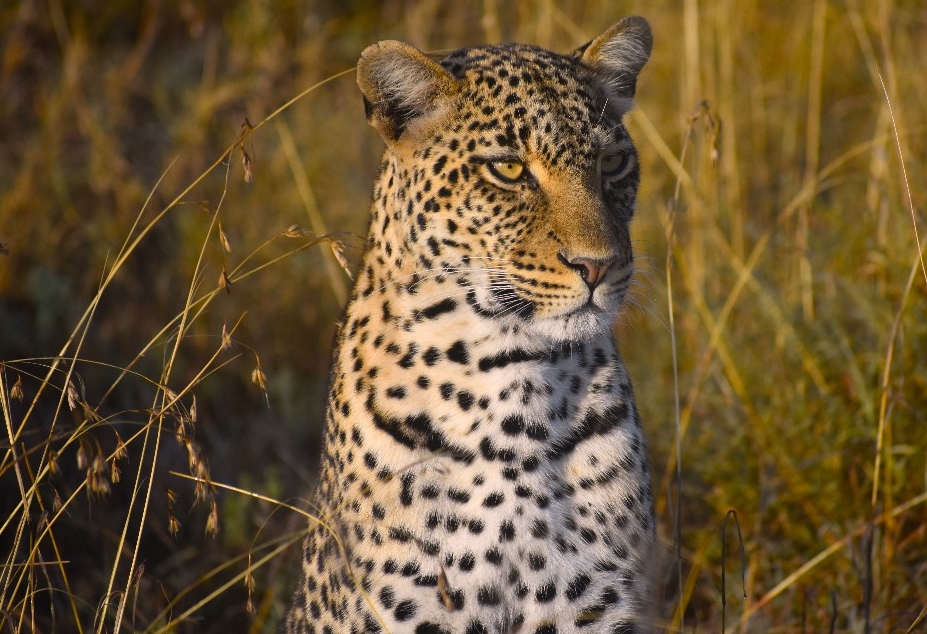
Other mammals to see in Kibale Forest include leopards, Peter’s duiker, bushbuck, lions, forest elephants, giant forest hogs, blue duiker, hippos, red duiker, warthogs, buffaloes, bush pigs, golden cats, and sitatunga, among others.
A Guide to Kibale Forest National Park: Uganda is one of the few countries in Africa with the highest concentration of chimpanzees, with an estimated 1,450 individuals. In Kibale, habituated groups can easily be tracked with the help of knowledgeable, experienced, and skilled ranger guides at the park headquarters in Kanyanchu.
Kibale Forest National Park is a premier destination for the famous chimpanzee trekking and chimpanzee habituation experiences. This is attributed to its 7 chimpanzee families, some of which are habituated and ready for tracking, an adventure for any primate lover wouldn’t miss; hence, Kibale awaits your exploration.
Spotting chimpanzees in Kibale National Park is guaranteed at 98% for visitors who are planning to have chimpanzee trekking safaris.
The habituated Kanyantale chimpanzee group has been the highlight of the daily tourist tracking tours since its establishment in 1993, while the other 3 have been reserved for research, such as Ngogo, one of the largest gorilla communities in the park with over 200 individuals. Others include Buraiga, which is not far from Kanyanchu and is always ready for tracking.
There is much more to Kibale than chimpanzee trekking. Birdwatching is among the park’s highlights, with over 375 bird species, including endemics, forest, swamp, and grassland species, among others. The park is mainly dominated by forest birds, 4 endemic birds, and Central African specials.
The highlight of the park is the Green-breasted Pitta, and other species include the Red-chested Owlet, Narina Trogon, Blue-shouldered Robin-chat, Masked Apalis, Yellow-mantled Weaver, Hairy-breasted Barbet, Dusky Long-tailed Cuckoo, Blue-throated Roller, and Toro-Olive Greenbul, among others.
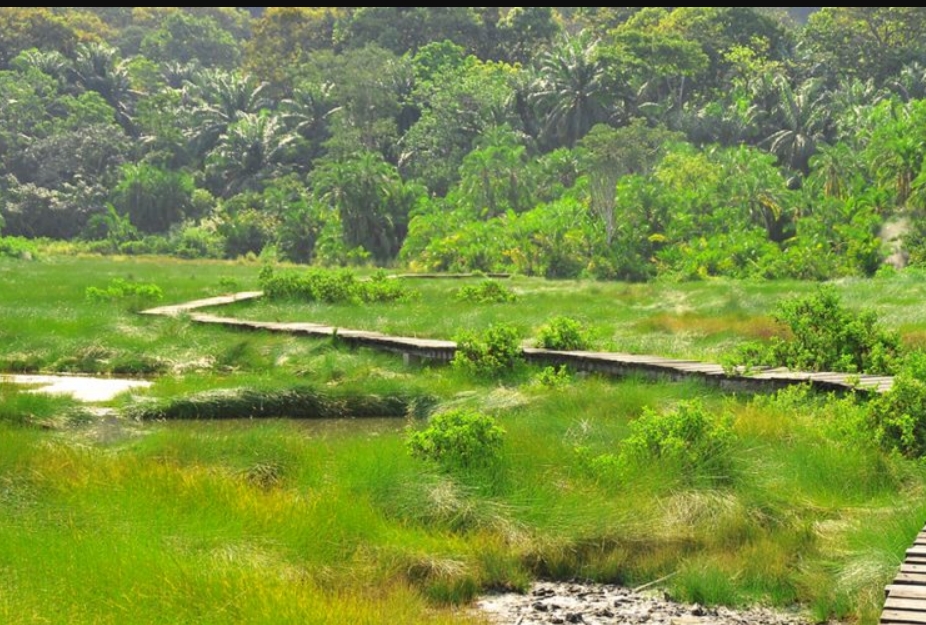
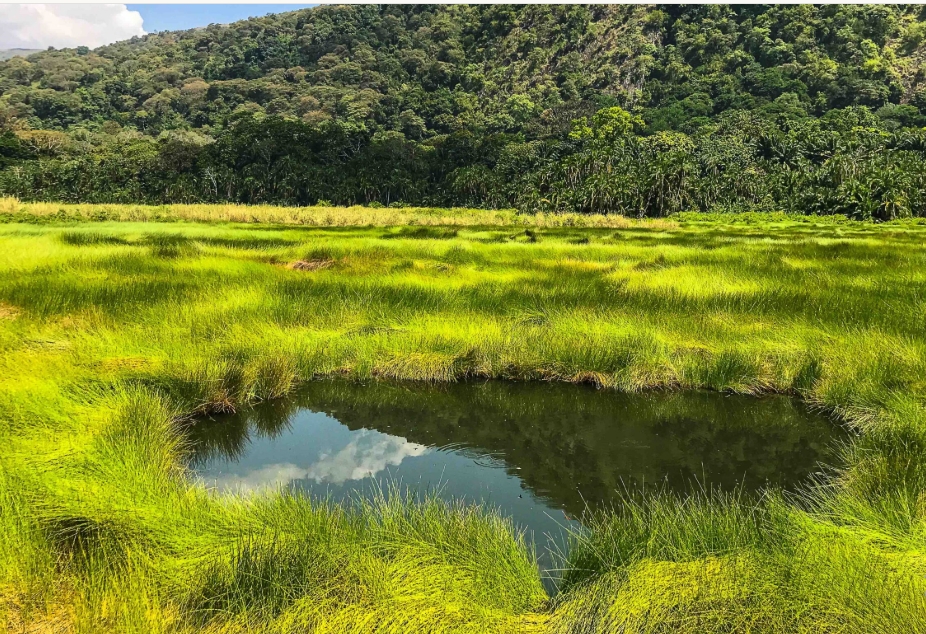
Birding excursions are mainly carried out along the forest trails at the Kanyanchu and Sebitoli tourism sites. Other locations include the Bigodi Wetland sanctuary, located along the park edges near Kanyanchu.
Travellers after conducting their adventure safaris in Kibale can still connect to other parks, such as the 142-kilometer (2-hour) drive to Queen Elizabeth National Park and the 1:20-minute drive (67 kilometers) to Semuliki National Park. Other parks include Rwenzori Mountains National Park, among others.
Conclusion
Conclusively, Kibale Forest National Park takes pride in being Uganda’s top destination for chimpanzee tracking and several other primate species, which makes it stand out as the primate capital of the world. This implies that nature lovers, wildlife enthusiasts, and primate lovers have a lot to explore and enjoy in this pristine wilderness, which ensures unforgettable adventure experiences.