Kibale Forest National Park
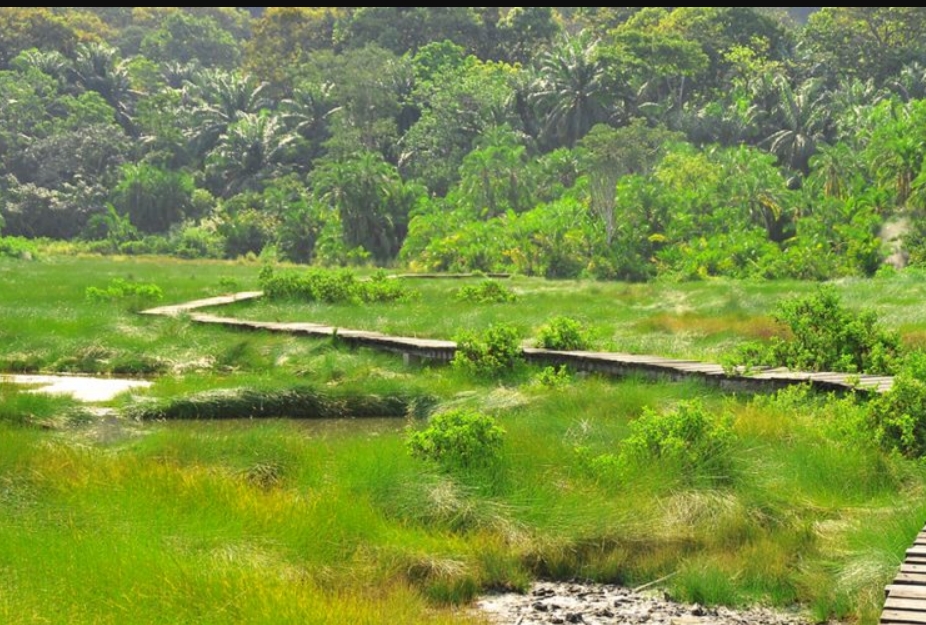
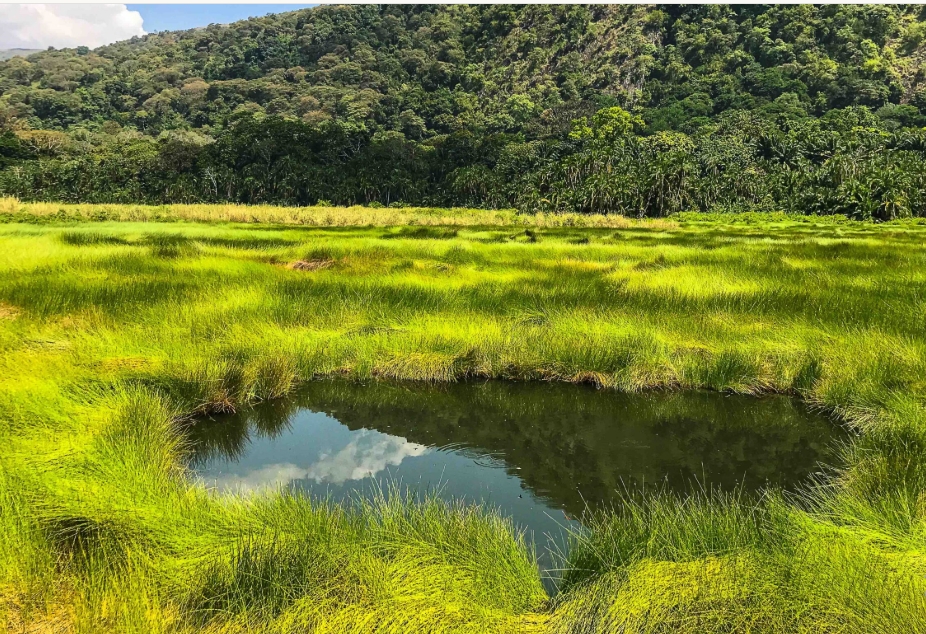
Kibale Forest National Park is one of the top primate destinations in Uganda that attract tourists across the world due to its rich ecological ecosystem that comprises of particularly soggy semideciduous and emerald forest grassland, wetland, woodland, lakes and extensive exotic trees. The park is located in south western Uganda next to the foot hills of Rwenzori mountains and the tourist town of Fort Portal, with administrative boundaries in four districts of Kamwenge, Kyenjojo, Kasese and Kabarole.
The park was primarily established to protect and restore its tree species and wildlife species. This forested park is inhabited by diverse wildlife particularly primates, several other mammals, bird species, insects, butterflies and reptiles, all delimited within 795 square kilometers of the park’s total area.
Kibale Forest is one of the premier safari destinations famous for chimpanzee trekking not only in the country but in Africa at large. Kibale National Park is among the country’s power house in terms of tourism development due to its chimpanzee population that seek refugee in this dense and evergreen tropical rainforest.
Besides chimpanzees, Kibale Forest National Park has a rich biodiversity that includes mammals, plant species, birds, reptiles, insects especially butterflies, and many others. The park’s highlight is its famous community of chimpanzees that are rarely seen any where else in other protected areas in the country and East Africa at large.
These chimpanzee population are fully habituated, meaning, they are used to people and ready for tracking such as the Ngobi community with over 200 individuals, Kanyawara community with over 60 members, Kanyanchu in southern Kibale National Park and Sebitoli in the northern part of the park.
The park has an interesting and broad history, as this article will give you a deeper understanding about its transformation. Kibale National Park was gazetted in 1932 by the British colonialist as the forest logged areas, aiming at maintaining its nature validity but also to use it as a major source of timber particularly hard wood.
After the extraction of hardwood from this forested park, they resorted to planting of exotic trees in the vast areas where hard wood had been cut. This came as a result with the idea of constructing the copper cobalt plant at Kilembe in Kasese town in 1950, which fuelled the high demand for hard wood extraction in Kibale Forest National Park.
More still, under the British control the park was elevated and was gazetted into a forest reserve in 1948 to curb and combat the increased illegal deforestation activities that had escalated emanating from the local communities. The British embarked on afforestation with exotic trees in areas that had experienced severe deforestation. In 1993, Kibale Forest Reserve was established into Kibale National Park and the body in charge of Uganda National Parks took over the control of the protection and conservation efforts the following year.
Additionally, the Uganda National Park body came out with Uganda’s game department to form the Uganda Wildlife Authority in 1996. This seems to have worked up to date, Kibale National Park is under the official management and control of the Uganda Wildlife Authority, an autonomous government agency responsible primarily to conserve, control and manage Uganda’s wildlife resources in and out the protected areas and monitoring wildlife activities.
This autonomous body has done a golden role in ensuring restoration and conservation of Kibale Forest, making Kibale National Park the premier ecotourism and biological study center for Uganda’s prestigious education institution Makerere University.
Like any others park, Kibale National Park is surrounded by local communities which are instrumental in driving cultural tourism. The park is surrounded by various tribes dominated by the Batoro, and the Bakiga, who actively benefit from the park both socially and economically, through collecting firewood, medicinal plants and others resources with guidance from the governing body of Uganda Wildlife Authority.
Kibale community has registered a steady population growth attributed to increased revenue and job creation from the tourism industry, growth and development from the park.
Wildlife
Kibale Forest National Park is a unique destination whose strategic location forms a continuous forest stretch known as 180 kilometres wildlife corridor to Queen Elizabeth National Park. This wildlife corridor offers animals chance to cross over to Kibale Forest National Park and vise versa.
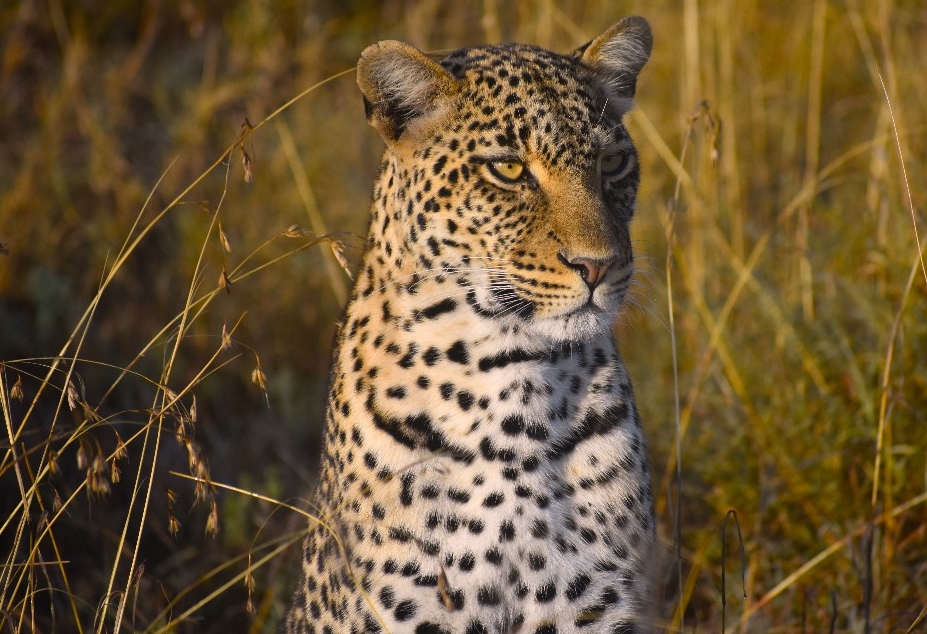
Some of the animals that roam within this corridor include forest elephants, lions and several primate species. Besides the chimps, this wildlife corridor vividly justifies why most visitors to the park have got a chance to see some of these including large mammals such as buffalos, elephants, lions, among others, making it a fulfilling adventure for your safari.
The park houses over 13 primate species making it the most dearing primate destination in Africa. Among these primates, 6 of them can be vividly seen during day time and more research about them is being carried out.
The park is home to over 1500 chimpanzees out of the 4950 total chimpanzee population in Uganda. Other primates to see include the endemic Albertine Rift L’hoest monkey, blue monkey, red colobus monkey, black and white colobus monkey, among others.
Besides, the unique primate species, Kibale Forest National Park is home to over72 mammal species, 372 species of birds, 355 plant species, and other wildlife species. The park houses the highest numbers of forest elephants in the country which usually cross from Queen Elizabeth National to Kibale Forest National Park and vise versa.
Other mammals include Forest hogs, buffaloes, waterbucks, sitatunga and others. However, visitors may find it hard to spot these animals due to the dense forest compared to the open savannahs of southwestern such as Queen Elizabeth National Park.