A Guide to the Akagera River of Rwanda
A Guide to the Akagera River of Rwanda: The Kagera River is the most popular river in the country of a thousand hills, which shares its name with the popular Akagera National Park, famous for its spectacular views, unique ecosystem, water, and natural habitat that supports wildlife, among others. Despite being underrated compared to rivers like the Nile River and others, the river forms a section of the upper headwaters of the Nile River, taking its water from its distant source.
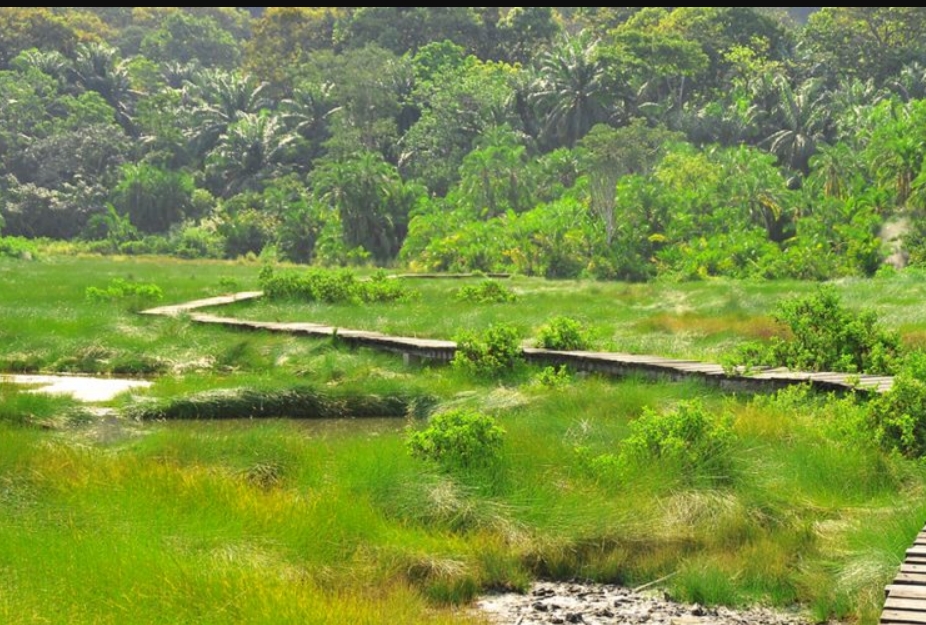
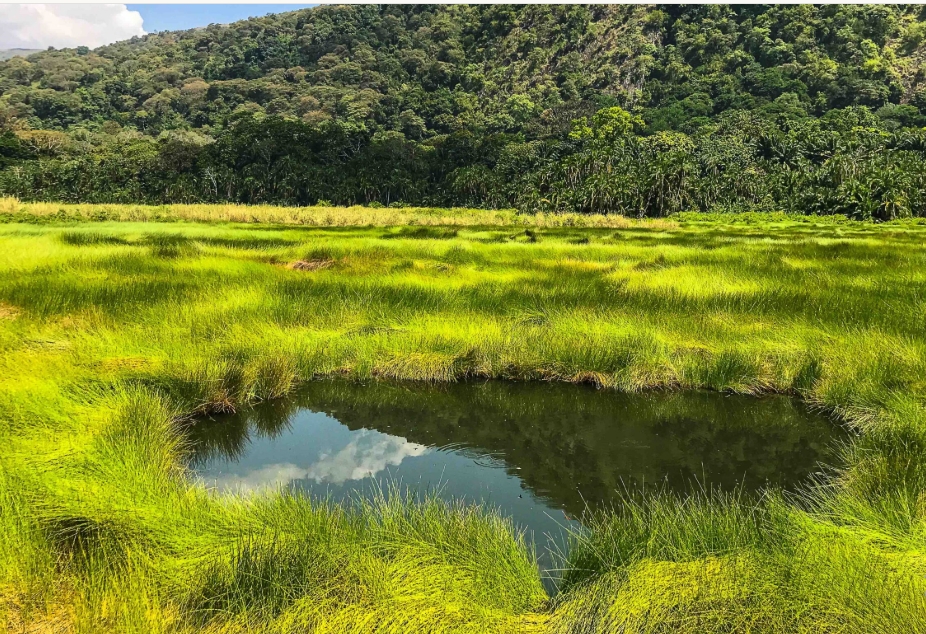
The Kagera River is a natural wonder, a serene delight of undulating hills, marshes, papyrus, grasslands, and wetlands, and has a great impact on Rwanda as a country, making it one of the major sources of water and numerous wildlife species at the famous Akagera National Park.
Historically, this amazing river stands out with its remarkable history in Rwanda. During 1984, the German Gustav Von Adolf Gotzen crossed the Kagera River at Rusumo Falls in the eastern part of the country near the Tanzanian border, which marked the beginning of Rwanda’s colonial era. During World War 1 in 1916, the Germans were defeated by the Belgians, using the same route into Rwanda, which acted as a gateway into the land of a thousand hills.
The Kagera River gained international notoriety during 1994 for carrying bodies from the Rwandan Genocide, which claimed thousands of people’s lives, into Lake Victoria. As a result, this caused a state of emergency in parts of Uganda, especially for people within the interlacustrine region along Lake Victoria.
During this genocide, the Akagera River was used to dispose of dead bodies as thousands of Tutsis and moderate Hutus were murdered along the riverbanks.
This natural marvel is a freshwater lake, and its rich ecosystem forms the enormous Kagera River Basin, a significant part of the headwaters of the famous Nile River. Whether you are an avid birder, explorer, angler, or history enthusiast, River Kagera offers a seamless and peaceful experience far from the crowds.
Geographically emanating from Burundi’s Lake Rweru, it then flows eastward along the Rwanda-Burundi and along the Tanzanian borders to a confluence with the Ruvubu River.
The Kagera River lies along the border between Rwanda and Tanzania, extending into parts of Uganda and Burundi through the vast Kagera River system. This river gets its waters from two major tributaries, such as the Nyabarongo of Rwanda that pours into Lake Rweru and the Ruvubu of Burundi, and these two serve as the ultimate source of the Nile River.
This occurs as a result of the fact that the famous Nile River is fed by the Kagera River, which originates from Rwanda and Burundi before flowing into Lake Victoria, making it one of the main sources of the River Nile. The surrounding region, particularly on the Rwandan and Tanzanian sides, is characterized by gentle hills, rich farmland, and wetlands teeming with life.
From the area where these two rivers meet. The Akagera River percolates northwards along the Tanzanian border atop Rusumo Falls, traversing Akagera National Park. After, it winds to the east along the Tanzania-Uganda border and pours into Lake Victoria, the largest freshwater body in Africa.
Biodiversity- A Guide to the Akagera River of Rwanda
River Kagera stands out as one of the top landmarks in Rwanda, where Akagera National Park derives its name due to its beauty, rich flora and fauna, and stunningly beautiful natural water bodies such as Lake Ihema, Lake Rwanyakizinga, Lake Gishunju, and Lake Shakani, making it one of the most unforgettable adventure safari experiences in Rwanda.
The Kagera River is part of a broader, intertwined tapestry of rivers and wetlands. Its beautiful and still waters are surrounded by the thick vegetation cover, including woodlands, swamps, thickets, and savannah woodland. Its relief and geographical location make it an ideal haven for several aquatic and other wildlife species.
Additionally, its surrounding floodplains form some of the region’s most breathtaking views, especially at sunset and sunrise. The Kagera River feeds into Lake Victoria, and its origins in the highlands of Rwanda and Burundi are often cited as the farthest headwaters of the Nile. For geographers and explorers, this makes the Riv Kagera part of one of the earth’s most significant river systems.
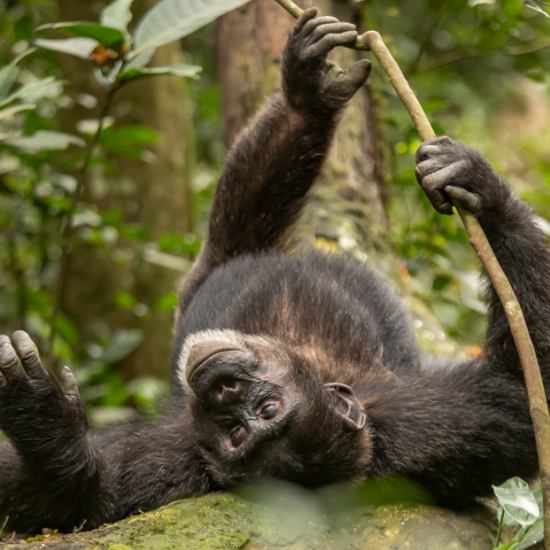
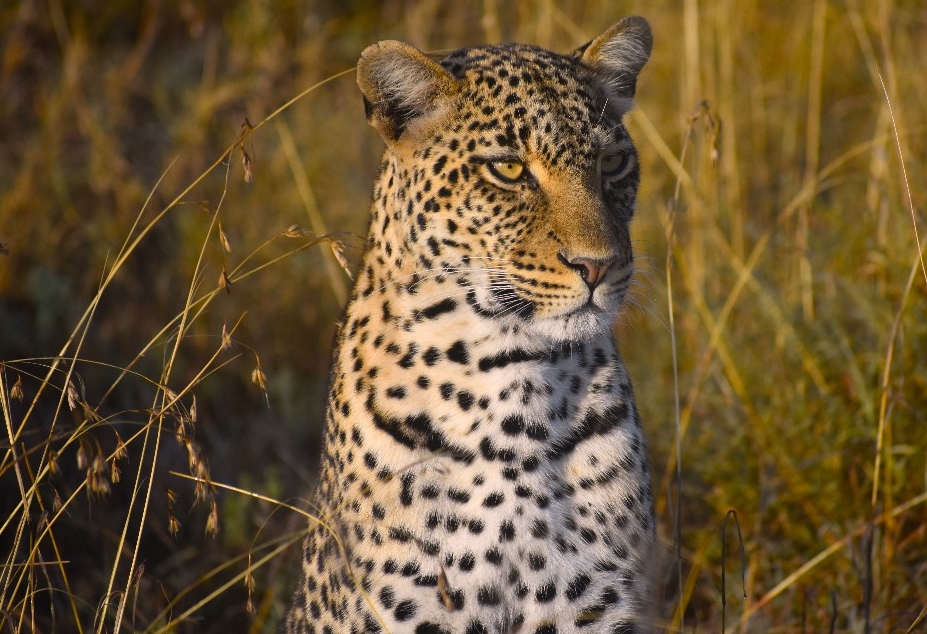
Rwanda’s River Kagera is not only a water body; it’s a natural wonder for unique wildlife species and a haven for bird life. The marshes and grasslands around the lake are habitats to several wildlife species, including animals, aquatic species, and numerous birds. The aquatic species, such as hippos and crocodiles, often bask along the shores.
More still, several antelopes, elephants, buffalos, waterbucks, and warthogs always roam the nearby floodplains. This natural wonder is home to over 200 fish species, such as the tilapia and Nile perch, among others. Birdwatching: Over 480 species have been recorded, including the shoebill stork, malachite kingfisher, papyrus gonolek, saddle-billed stork, goliath heron, and African fish eagle.
A Guide to the Akagera River of Rwanda: Whether you are exploring from Uganda, Rwanda, or Tanzania, River Kagera offers options to enjoy its tranquil environment and cultural richness. The top activities include sightseeing, birdwatching expeditions, nature walks and cultural tours, camping, and eco-lodges.
On the Tanzanian side, Kagera National Park protects a larger section of the Kagera ecosystem. It’s part of the Kagera River Basin Conservation Area, rich in wildlife and unspoiled landscapes. The Kagera region stands out as the country’s stronghold, attributed to its rich history, international frontiers, and cultural significance.
This crops out mainly from the past kingdoms; trading trails up to colonial times. Considering the river’s historical importance, the Kagera region defines the country’s eastern boundary and plays an instrumental role in Rwanda’s geography. This Kagera region witnessed numerous key moments during the 19th and 20th centuries, including regional conflicts and early European explorations.
Socially and economically, the community depends on the lake and river for fishing, agriculture, and transport, enabling them to live harmoniously with one of Africa’s oldest ecosystems, hence playing a vital ecological role as part of the Nile basin.
Its wetlands filter water and provide crucial habitats for fish breeding and bird nesting. Deforestation, overfishing, pollution, and climate change are the challenges faced. This guide will help you have a better experience during your visit to Lake Kagera from Rwanda, Uganda, and Tanzania, respectively.
How to access the Kagera region
The Kagera region can be accessed from western Uganda, particularly from towns like Ntungamo or Isingiro. Travelers can reach the lake through the Eastern Province with routes from Kirehe or Kayonza leading to the Kagera wetlands.
Access is easier from Buloba, which lies on the lake’s western shore. Buloba is served by flights from Dar es Salaam and Mwanza, as well as ferries across Lake Victoria.
Conclusion
Above are all the travel tips, although River Kagera may not be on every traveler’s radar, but that’s exactly what makes it so special. This shimmering natural wonder offers a chance to experience an ultimate and authentic Africa, a destination that is quiet, unspoiled, and deeply connected to nature and culture.