Wildlife Species in Kibale National Park
Are you looking for a list of wildlife species in Kibale Forest National Park? Well, we have got you covered. Kibale Forest National Park is a beautiful destination in Uganda known for its chimpanzee tracking. The park covers 766 square kilometers of mainly forest and extends 50 km south from the Fort Portal-Kampala Road to Queen Elizabeth National Park.
It was established as a forest reserve in 1932 and became a national park in 1993, creating a large corridor for wildlife migration that connects the two parks. This connection allows the movement of animals such as lions, leopards, and buffaloes and provides opportunities to see a wide variety of wildlife.
Kitale Forest National Park is home to the last major pre-montane forest in Africa, featuring over 229 tree species. Surprisingly, 23% of the park consists of open savannah with animals like lions and elephants. The park headquarters at Kanyanchu Visitors’ Centre is the main center for the park’s tourist activities, where briefings of visitors for chimpanzee tracking take place, and also the starting point of chimpanzee trekking.
Kibale Forest’s Ecology
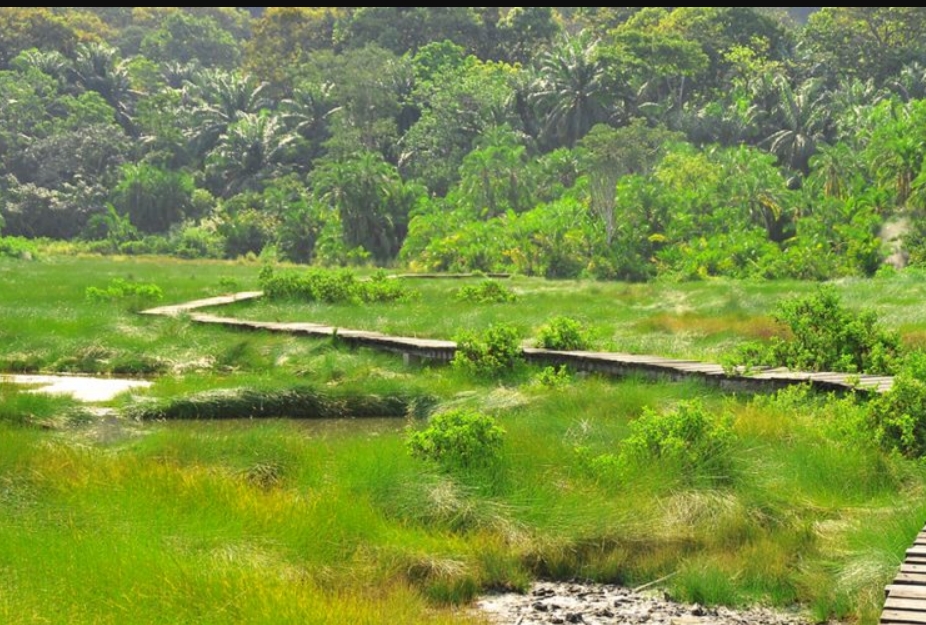
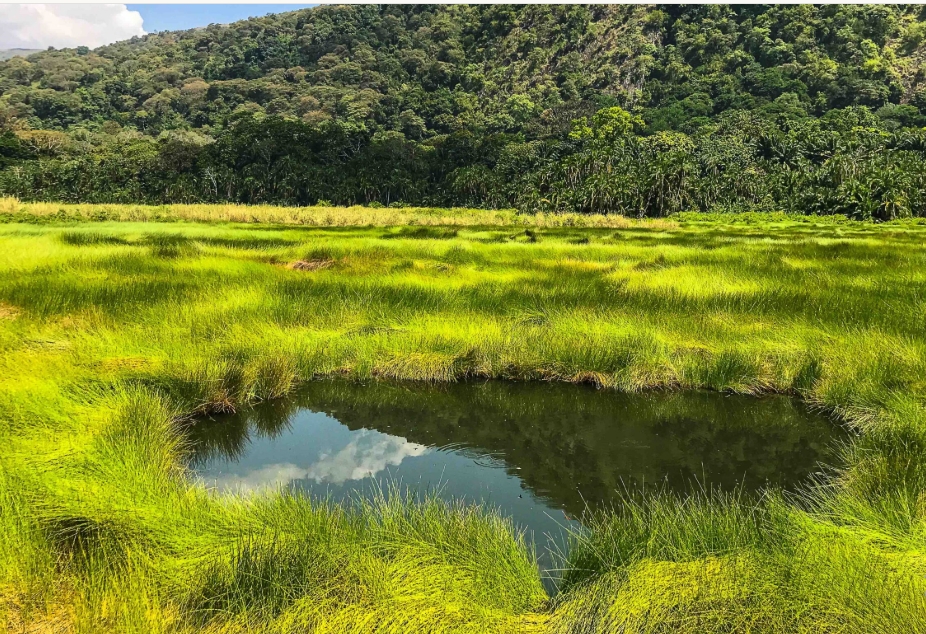
Kibale Forest National Park is home to rainforest, tall mahogany trees, swamps, and fig trees with canopies reaching 60 meters. It has over 229 tree species and is situated between 1,100 and 1,590 meters above sea level. Unlike Budongo Forest, Kibale was not heavily logged until the 1950s for timber used in the Kilembe copper mine. Controlled deforestation during civil wars helped preserve many hardwood trees in the area.
Wildlife Species in Kibale National Park
Kibale Forest National Park has the most primates in Africa, with 13 different species. It includes over 1,500 chimpanzees, including the endemic Uganda red colobus and L’Hoest’s monkey. Other primates found in the park are blue monkeys, black and white colobus, red-tailed monkeys, olive baboons, galagos, mangabeys, patas monkeys, pottos, and vervets.
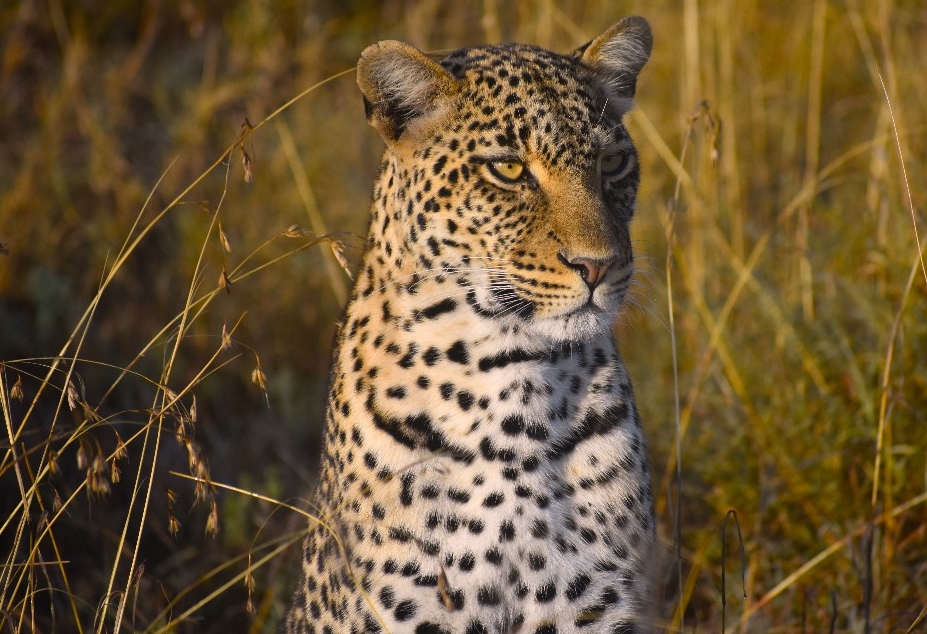
Besides chimpanzees and other primates, Kibale National Park is home to over 70 mammal species, such as forest elephants, African buffalo, giant forest hogs, bushbucks, duikers, lions, sitatungas, leopards, mongooses, and several other creatures that can be seen here.
More still, the park also inhabits several other species, such as birds, reptiles, and butterflies, among others. About 250 butterfly species, 70 reptiles including the Nile crocodile, and over 372 bird species are seeking their home in this forest. Some of the birds to see in Kibale Forest National Park include the Purple-breasted Sunbird, Blue-headed Bee-eater, Black-collared Apalis, Masked Apalis, Green-breasted Pitta.
Nahan’s Francolin, African Pitta, Narina Trogon, Little Greenbul, Afep Pigeon, Crowned Eagle, African Emerald Cuckoo, Black-headed Oriole, African Jacana, Papyrus Gonolek, Brown-chested Alethe, Black-billed Turaco, Black and White Shrike Flycatcher, Barn Swallow, Collared Appalis, Piapiac, Black Bee-eater, Black Crowned Tchagra, and Abyssinian Ground Thrush, among others.
Birding in Kibale Forest National Park
Kibale forests are home to over 375 bird species, with six unique to the Albertine Rift. Bird enthusiasts can see various birds, including the endemic masked apalis, Cassin’s spinetail, Nahan’s francolin, and blue-headed bee-eater, during guided nature walks.
Other species of birds to see in Kibale Forest National Park include the Chubb’s cisticola, black-capped waxbill, African dusky flycatcher, African black-headed oriole, African pied wagtail, brown-eared woodpecker, black-billed weaver, zebra waxbill, blue-throated roller, and African green pigeon, among others.
Little greenbul, African jacana, African pitta, Brown-chested Alethe, black-billed turaco, black and white shrike flycatcher, African emerald cuckoo, blue-throated roller, barn swallow, dusky crimsoning, blue-breasted kingfisher, collared apalis, black bee-eater, Abyssinian ground thrush, crowned eagle, yellow-spotted nicator, ash flycatcher, white-breasted negrofinch, piping hornbill, red-headed lovebird, chestnut wattle-eye, bare-faced go-away-bird, Rwenzori apalis, masked apalis, and Cassin’s spinetail, brown illadopsis.
Papyrus canary, white-collared olive, black-headed oriole, somber greenbul, white-collared olive, speckled mousebird, eastern plantain-eater, papyrus gonolek, African wagtail, blue-shouldered robin-chat, zebra waxbill, crowned eagle, black-crowned tchagra, alpine swift, yellow-spotted nicator, African shrike flycatcher, yellow-rumped tinkerbird, Chubb’s cisticola, piapiac, black-shouldered nightjar, many-colored bush shrike, and Doherty’s bush shrike.
What is the best time to do birding in Kibale National Park
Birdwatching in Kibale National Park can be done throughout the year, although some months are better than others. The best time is during the months of March to May and September to November, when there is an influx of migratory birds from Europe coming into the country. This occurs as a result of it being the breeding season (breeding plumage) with plenty of food such as fruits and others.
Activities to do in the Kibale Forest
One of the national parks to visit while on your safari to Uganda is Kibale Forest National Park. Below are some of the activities you can do while in the park.
Primate trekking
Primate trekking is a great activity during an African safari in Kibale Forest National Park. The primate tracking begins at the Kanyanchu visitor center, with morning sessions starting at 8:00 am and afternoon walks starting at 2:00 pm, including a briefing. Each trek lasts 2-3 hours, influenced by trekkers’ speed, terrain, and season.
During the primate walk in the park, visitors have a chance of spotting various animals such as the intelligent chimps, L’Hoest’s monkey, red-tailed monkeys, blue monkey, black and white colobus monkeys, olive baboons, vervet monkeys, L’Hoest’s giant forest hogs, and others.
Chimpanzee trekking- Wildlife Species in Kibale National Park
Chimpanzee trekking is a popular activity for tourists in Kibale Forest National Park. Visitors can choose to trek chimpanzees for half a day or a full day. The trekking starts at 8:30 am at the Kanyacu visitor’s center, where participants receive a briefing about the rules and regulations. An armed ranger guide then leads the group into the forest for a search that lasts 2-4 hours.
What is the cost of chimpanzee trekking permits in Kibale Forest
Kibale trekking permits for Kibale Forest National Park are $250 for foreign nonresidents, $200 for foreign residents, and shs180,000 for East African citizens. The prices cover nature walks, guide fees, and park entrance. The chimpanzee habituation experience costs $300 for foreign nonresidents, $250 for foreign residents, and UGX 250,000 for East African citizens, including guide fees and park entrance for 4 hours.
What is the best time to go chimpanzee trekking in Kibale National Park
Chimpanzee trekking in Kibale Forest National Park is possible year-round, but it’s best during the dry season from December to February and June to September. During this time, the roads are accessible, there is little rain, the forest is less dense, and trails are not muddy.
How to get to Kibale Forest National Park
Kibale Forest National Park is found in the Kabarole district on the western side of Uganda. It can be reached by road from Kampala, taking 5-6 hours in a comfortable 4×4 safari vehicle. This can be accessed through Mubende, Kyenjojo-Fort Portal. Alternatively, one can use the Masaka-Mbarara highway to Kamwenge and then to the park.
Where to stay in Kibale National Park
Kibale Forest National Park offers various accommodation options for different travel budgets. Choices include budget, mid-range, and luxury places like Chimps Nest, Crater Safari Lodge, Kibale Forest Cottages, Ndali Kasenda Lodge, Primate Lodge Kibale, Isunga Lodge, Tinker Bird, Bahundu Safari Lodge, Kibale Lodge, and several others.