Chimpanzee Trekking in Kyambura, Queen Elizabeth National Park
Chimpanzee Trekking in Kyambura Gorge Queen Elizabeth National Park: Chimpanzee trekking is one of the top interesting and nature-based activities in East Africa that offers visitors a chance to trek through tropical rainforests with the help of armed ranger guides while traversing the trails left behind by habituated chimpanzee groups. Visitors spend a maximum of an hour with the chimpanzees while studying their behavior and social habits, such as their medium of communication, food-collecting methods, and nest construction, among others.
Chimpanzees are apes like the mountain gorillas and love fruits and fresh leaves, among others. They live in family groups of 20 to 80 members, hairy, and share 98% DNA with humans. However, chimpanzees not only stay in high altitudes and thick tropical forests but are also slightly smaller in size than mountain gorillas. Their life span is about 40-50 years of age, where the female ones give birth to every 4-5 years. More still, these intelligent primates are specialists in using tools such as sticks, stones, rocks, and leaves to search and prepare their food for survival. For instance, they use sticks when searching or foraging for honey, water and rocky stones for cracking nuts, and others.
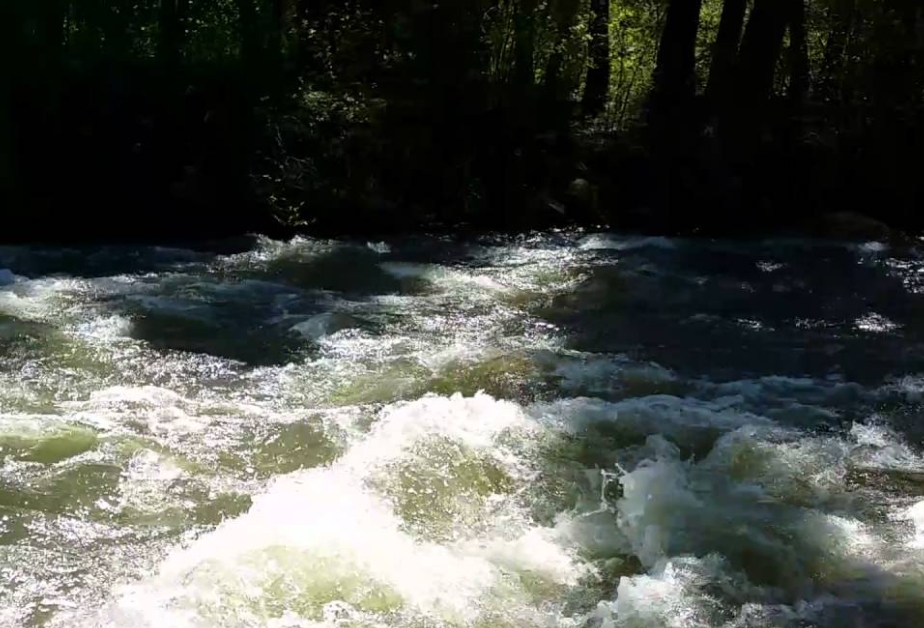
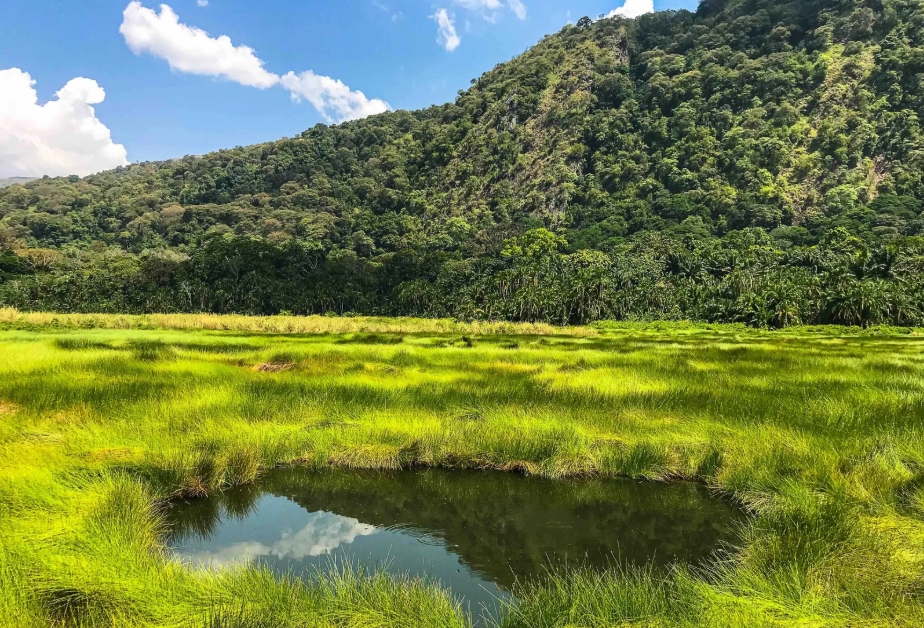
Kyambura Gorge in Queen Elizabeth National Park, popularly known as “The Valley of Apes,” is situated in the eastern part of the park, a lush vegetation about 100 meters deep with a flowing river down the valley. Its formation came as a result of the corrosive and erosive waters of River Kyambura, with its steep slopes covered by a dense rainforest, that is favourable for the intelligent chimpanzees. The Gorge has one habituated family of chimpanzees, totaling over 16-18 members. More still, the Kyambura Gorge is a haven to other wildlife species, including bird species and other unique primate species such as the mangabeys, olive baboon, bush babies, white colobus, and the red-tailed colobus. All these seek refuge in the gorge due to being a tropical rainforest with the presence of water for these species, especially during the dry season.
The gorge is home to numerous bird species, and many visitors have always spotted these birds along the plain savannah grasslands and riverine forests within the gorge. The commonly spotted birds in the Kyambura Gorge include the striking Lesser Flamingo, African Skimmer, Greater Flamingo, African Broadbill, African Finfoot, Chapin’s Flycatcher, Martial Eagle, Bar-tailed Godwit, White-tailed Lark, Black-rumped Button Quail, Blue-headed Bee-eater, Papyrus Gonolek, Papyrus Canary, White-winged Warbler, and the Pink-backed Pelican, among others. Birding in the Gorge is a guided tour that is carried out on foot and with guidance from a registered and experienced professional tour guide.
The most done activity in the gorge is chimpanzee trekking, a highlight of the trip to Kyambura Gorge. Visitors should expect an unforgettable experience where you will spend a maximum of an hour interacting and observing groups of habituated chimpanzees. Reservations for chimpanzees are carried out at the Mweya Visitor Information Center for visitors interested in participating in the Chimpanzee Trekking experience in the Gorge.
The activity costs USD 100 for foreign non-residents, 80 foreign residents, and UGX 50,000 for East African citizens. Only 8 people are allowed to engage in the activity per trek; visitors are reminded to maintain their groups and also follow the rules and regulations, such as keeping a distance of about 7-8 meters away from these chimpanzees. Sick visitors are advised no to participate in chimpanzee trekking experience, since these creatures share 98% DNA, this means that they are prone to human diseases and their immune system is weaker than that of man. This is done not to transmit diseases to the chimps.
Best time to visit Kyambura Lodge
The convenient time to visit Kyambura Gorge is during the dry seasons that normally run from December to February and from June to September. Animals usually gather in the gorge especially during the dry season and this is because of its water spot for them to have some drinking water. This offers travelers a chance to see several animal species during the dry season.
In the rainy season which occurs in March to May and from October to November, these months receives heavy rainfall, making the hiking trails getting slippery, hence some parts of the gorge are not easily accessible.
What to pack during chimpanzee trekking in Kyambura Gorge
Visitors planning for chimpanzee trekking in Kyambura Gorge of Queen Elizabeth National Park should not miss out packing essential items such as a camera, a pair of binoculars, hiking shoes, water proof shoes, light rain jackets, waterproof bags, extra batteries, enough drinking water, brimmed hat, energy giving snacks, and others.
How to access there
The attraction is located in Queen Elizabeth National Park and can be reached by either air or road means of transportation. By road, the park is 410 km from the capital Kampala to Queen Elizabeth National Park which is located in west of Kampala. By road, the journey takes about 7-8 hours depending on the stopovers. By Air, the park can be reached in one hour either from Kajjansi Airstrip or Entebbe International Airport to Kihihi Airstrip.
Accommodation in Kyambura Gorge
Kyambura Gorge is encompassed by several accommodation facilities that cater for all different types of travelers. These offer comfort and glamour to tourists, ranging from high-end and mid-range to budget options. These include Twin Lakes Safari Lodge, Elephant Hub, Katara Lodge, Walujojo Safari Lodge, Kyambura Gorge Lodge, Park View Safari Lodge, Emin Pasha Lodge, and others, all found around and inside Queen Elizabeth National Park.