When to Visit Gishwati- Mukura National Park.
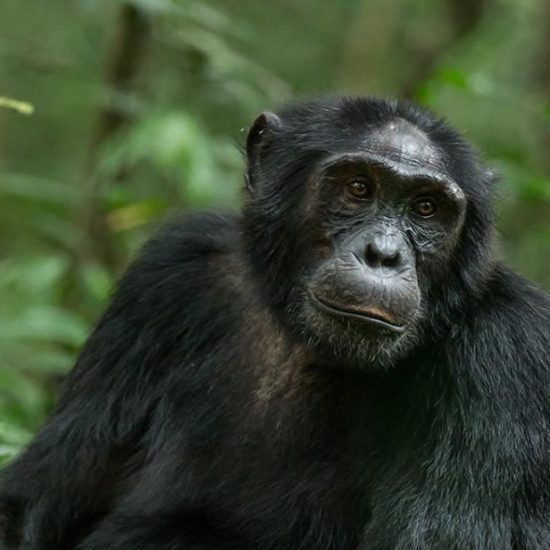
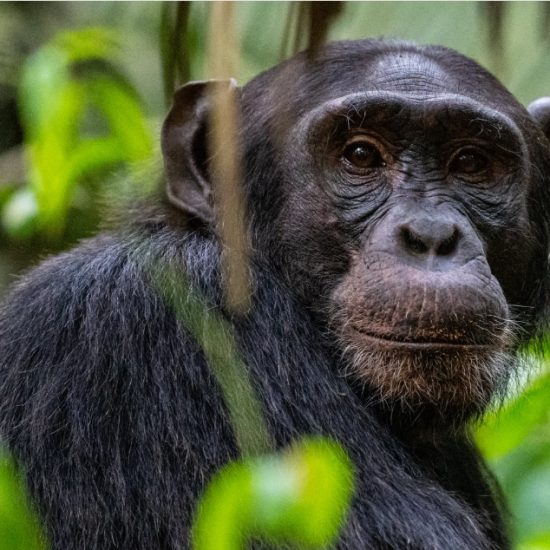
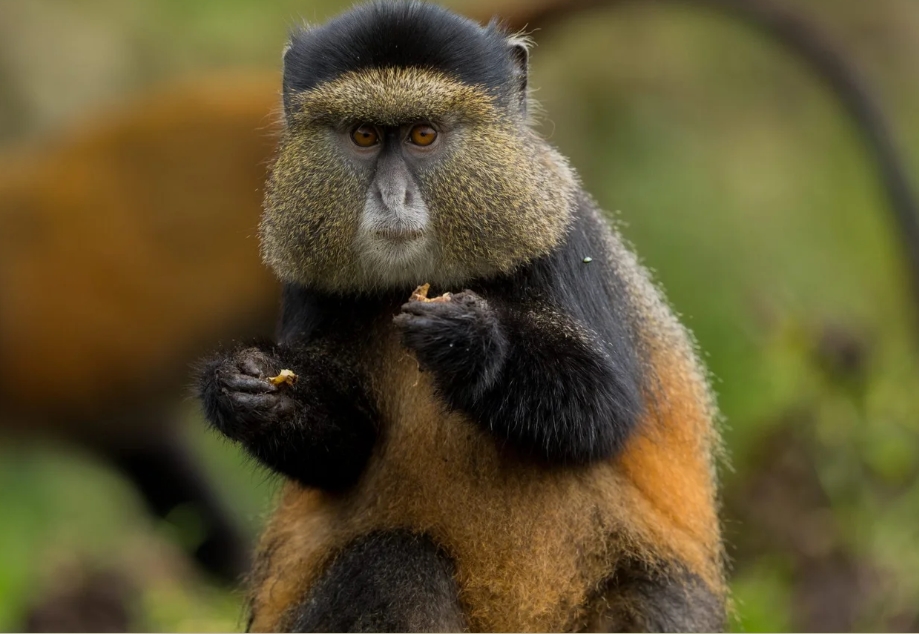
When to visit Gishwati-Mukura National Park is one of the most asked questions by travellers planning to visit the park, and this blog will help you understand the different seasons that the park experiences. It’s located in the far western region of Rwanda within the Albertine Rift. This is one of the most visited national parks by nature lovers seeking true, authentic African safaris in the heart of Africa. It is known for being the second place in Rwanda where travellers can encounter the endangered chimpanzees after Nyungwe Forest National Park. It is home to over 20 mammal species, 6 primates like chimpanzees, golden monkeys, vervet monkeys, black & white colobus monkeys, and 60 tree species including bamboos.
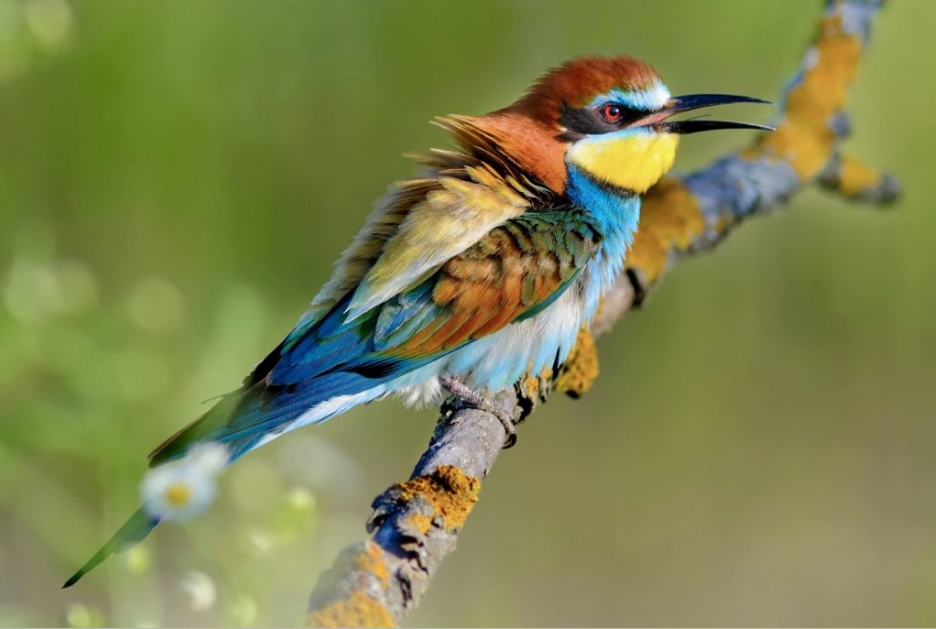
The park also hosts over 100 butterfly species and 163 birds in Mukura Forest, and 230 birds in Gishwati Forest, such as Albertine Rift endemics, migratory birds, water birds, forest birds and the park’s residents. The park’s rich biodiversity provides diverse safari activities that travellers can enjoy while in the park, such as nature walks, golden monkey tracking, cultural encounters, and bird watching. Gishwati Mukura National Park can be visited year-round, and the best time to visit depends on an individual’s travel plans. Just like any other African national park, it experiences two seasons: the wet season and the dry season. Both seasons provide exceptional safari experiences to travellers visiting the park.
When to Visit Gishwati- Mukura National Park.
Dry Season
The dry season is the most preferred season by travellers planning to visit Gishwati-Mukura National Park, which runs from June to September and from December to January. It’s commonly known as the peak season. During this season, the park receives little to no rainfall, making it less muddy and slippery. The game tracks are passable, which makes it possible to search for the bird species and mammal species in their natural habitats. The vegetation cover is short and scattered, creating clear views of wildlife species and allowing for clear photos. Travellers should be aware that during this season the park is always crowded and they should book their accommodation earlier.
Wet Season
Travellers can visit Gishwati- Mukura National Park in the wet season, which is from October to November and March to May. This period is characterised by enough rainfall; the park is muddy and slippery, making penetration of the park challenging. The vegetation cover is tall and dense, which makes viewing animals from a distance challenging and taking clear pictures. The wet season is the best period to do birding in the park, as this is the breeding period for many bird species, and migratory birds always come to the park in this season. They run away from Europe and Asia due to harsh weather conditions and in search of food. The availability of abundant food in the park during this season prevents birds from going deep into the park in search of food, making bird watching easy and memorable. This season also favours budget travellers as accommodations and travel agencies give discounts during this season.