Top Activities to do in Gishwati- Mukura National Park.
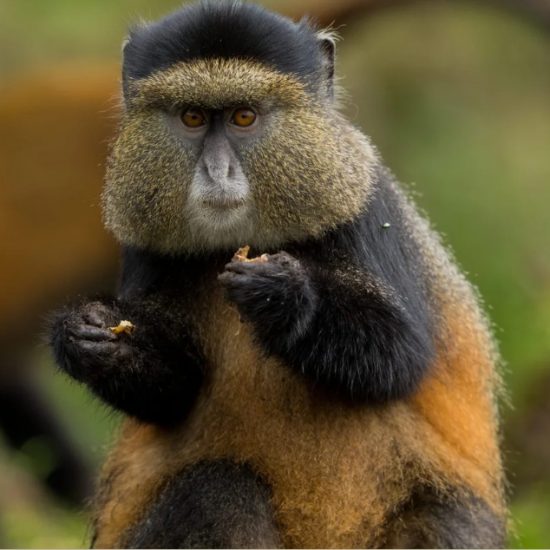
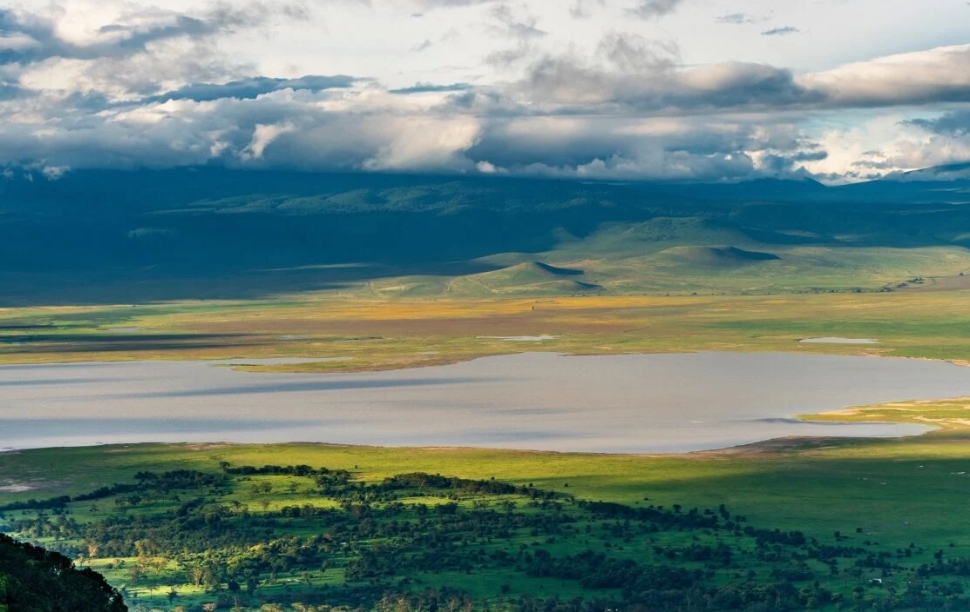
Gishwati- Mukura National Park is a remarkable destination for nature lovers seeking an authentic forest experience in Rwanda. It’s situated in the northwestern region of Rwanda within the Albertine Rift. It’s formed of two separate forests, Gishwati Forest and Mukura Forest, both of which have unique bird and wildlife species. It is celebrated for its rich biodiversity, home to over 20 mammal species, 6 primate species, 230 bird species in Gishwati Forest and 163 bird species in Mukura Forest, including forest birds, migratory birds, water birds, Albertine Rift endemics and the park’s residents. The park’s rich biodiversity is supported by its diverse ecosystems, which provide habitats to various bird and mammal species such as tropical rainforests, montane forests, swamps, and grasslands. This blog will list top activities to do in Gishwati– Mukura National Park. The park offers various activities to travellers such as bird watching, nature walks, chimpanzee tracking, golden monkey tracking and cultural encounters.
Top Activities to do in Gishwati- Mukura National Park.
Bird Watching.
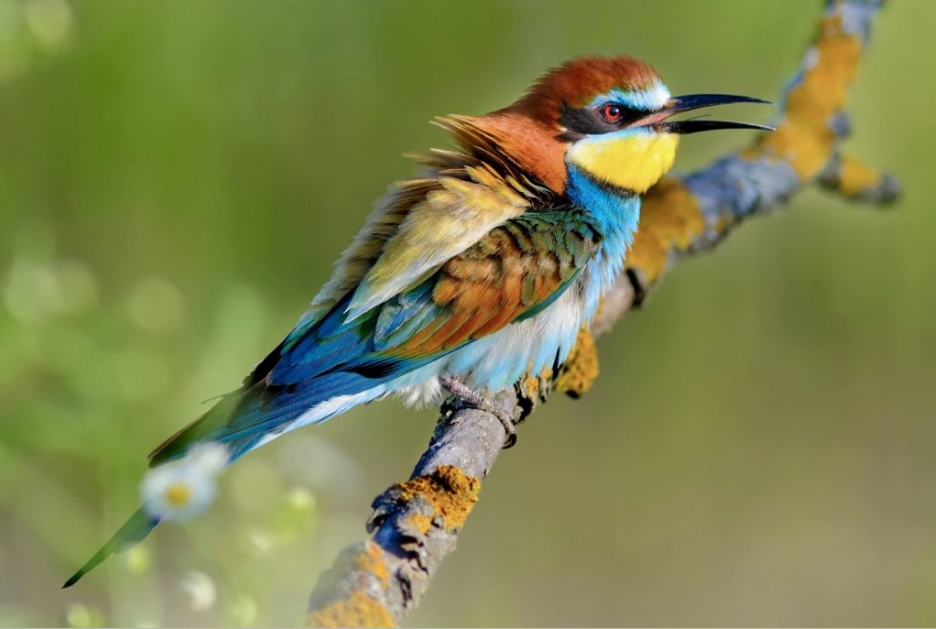
It’s among the most interesting activities for bird lovers and nature lovers to enjoy on their safari in the park. Bird watching allows them to explore the park’s unique birdlife in their natural habitats. This is led by a knowledgeable park birder who identifies bird species encountered and provides information about the behaviours of bird species encountered in the park. The park hosts more than 230 bird species in Gishwati and 163 birds in Mukura, including migratory birds, forest birds, Albertine Rift endemics and water birds. The park has well-maintained birding trails, which all provide excellent chances of encountering unique bird species. Some of the birds to encounter include Handsome Francolin, Scaly Francolin, Rameron Pigeon, Dusky Turtle-Dove, Red-eyed Dove, Blue-spotted Wood-Dove, Tambourine Dove, African Green-Pigeon, Great Blue Turaco, Black-billed Turaco, Rwenzori Turaco, Blue-headed Coucal, Blue Malkoha, Klaas’s Cuckoo, African Emerald Cuckoo, Barred Long-tailed Cuckoo, Black Cuckoo, Red-chested Cuckoo, Rwenzori Nightjar, African Goshawk, Black Goshawk, Black Kite (Yellow-billed), Mountain Buzzard, Augur Buzzard, Verreaux’s Eagle-Ow, Red-chested Owlet, African Wood-Ow, Speckled Mousebird, Narina Trogon, Bar-tailed Trogon, White-headed Woodhoopoe, Crowned Hornbill, Gray-headed Kingfisher, Cinnamon-chested Bee-eater, Yellow-rumped Tinkerbird, Lesser Honeyguide.
Nature Walks.
Nature walks are among the top activities to do in Gishwati- Mukura National Park that give nature lovers a rare opportunity to explore the park’s rich biodiversity and stunning views on foot. These are guided activities led by an experienced park guide who ensures participants’ safety and identifies various wildlife and birds encountered. There are well-gazetted trails which are used for nature walks, and all of them provide exceptional chances of encountering various tree species, animals, butterflies and bird species. Some of the birds include Square-tailed Nightjar, Little Swift, Red-chested Flufftail, Black Crake, Gray Crowned-Crane, Black-headed Heron, Hadada Ibis, African Harrier-Hawk, Hooded Vulture, Tawny Eagle. They will also encounter animals like black and white colobus monkeys, red-tailed monkeys, vervet monkeys, among others.
Chimpanzee Tracking.
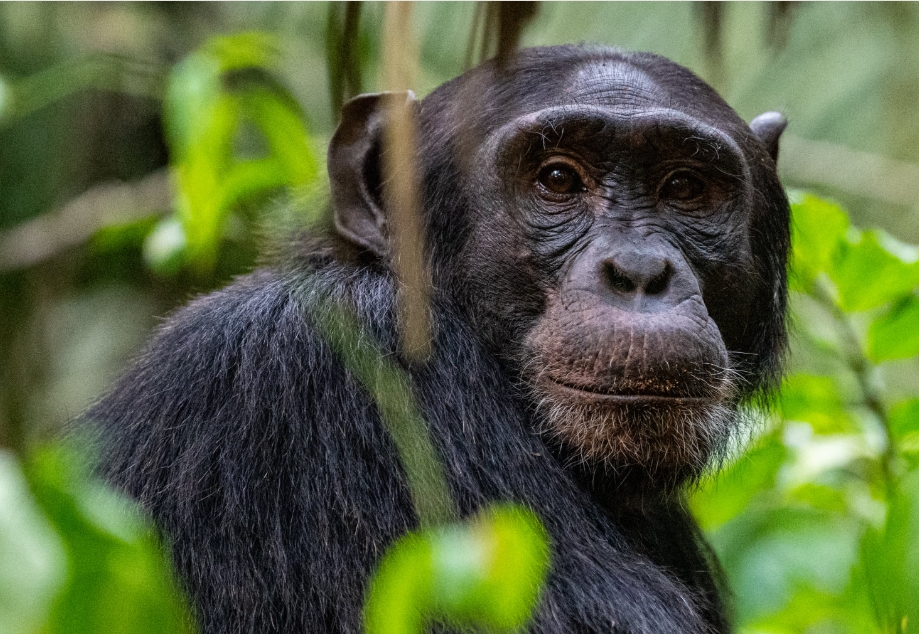
Chimpanzee tracking is one of the best activities to do in Gishwati- Mukura National Park. This allows primate lovers and nature enthusiasts to have a close encounter with chimps. This is the second place in Rwanda where travellers can see chimpanzees in their natural habitats after Nyungwe Forest National Park. Gishwati -Mukura National Park is home to over 30 chimpanzee individuals. Chimp tracking begins with a briefing about the rules and regulations of the activity. Later, participants meet their assigned park guide, who leads them through the forest in search of chimpanzees. The duration of chimp tracking is between 2 and 4 hours, depending on their movements, and once located, participants spend one hour with them observing their behaviours. They have the opportunity to see them playing, feeding, and mothers taking care of the young ones, which is one in a once-in-a-lifetime experience.