A Guide to Gishwati- Mukura National Park.
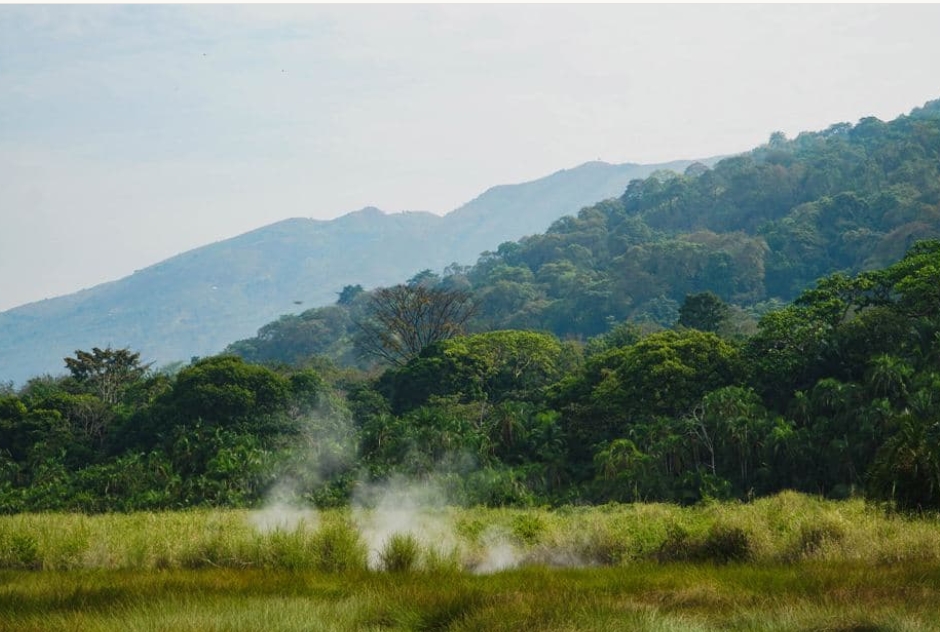
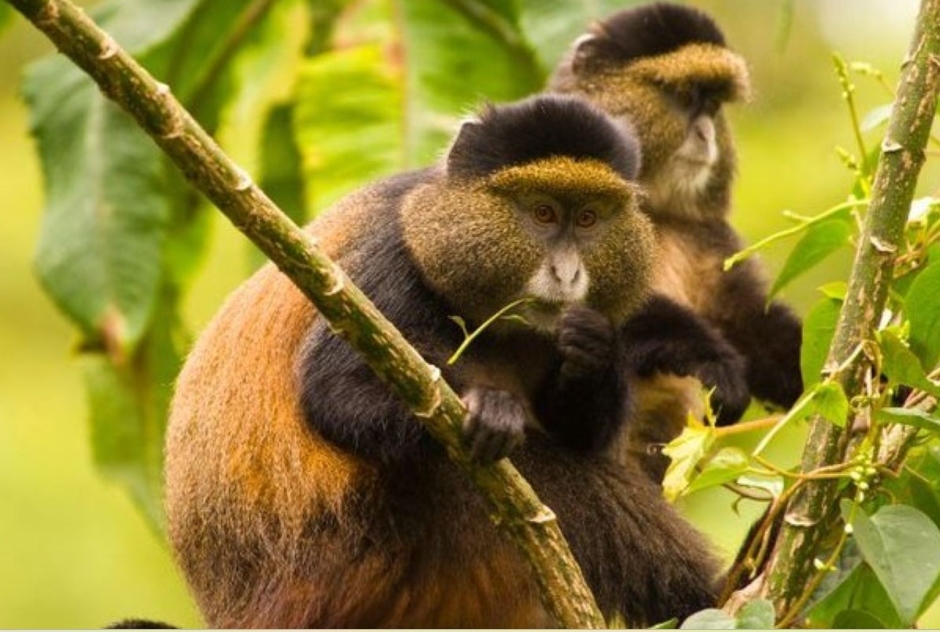
A Guide to Gishwati- Mukura National Park: Gishwati- Mukura National Park is the newest national park in Rwanda, which is made up of two separate forests: the small Mukura and the large Gishwati, covering a total area of 34 square kilometres plus the buffer zone. It is situated in the western part of Rwanda along the Albertine Rift Valley in the districts of Rutsiro and Ngororero. The park was established in 2015 to conserve endangered and endemic species found within the Albertine Rift. It is home to more than 60 tree species, including bamboo and hardwoods, 20 mammal species, 100 butterfly species, and 6 primate species like chimpanzees, golden monkeys, L’hoest’s monkeys, and blue monkeys. The park is celebrated for its rich avian life; over 232 bird species are recorded in Gishwati and 163 bird species are recorded in Mukura Forest, such as forest birds, water birds, migratory birds, Albertine Rift endemic species and the park’s residents, which are rare to find anywhere else. Gishwati- Mukura National Park provides different activities to travellers visiting the park, like bird watching, nature walks, chimpanzee trekking and golden monkey tracking, all of which provide exceptional experiences to travellers.
Where to find Gishwati- Mukura National Park.
Gishwati-Mukura National Park is located in the western part of the country along the Albertine Rift and the Congo Nile divide. The park can easily be accessed from Kigali, the capital city of Rwanda, and it’s about a 3 to 4 -hour scenic drive through the countryside. It is situated within the Rutsiro and Ngororero districts.
Where to stay.
Gishwati– Mukura National Park offers several eco-friendly accommodation options for travellers, which cater to all travellers’ budgets, from luxury accommodations to standard accommodations, all of which provide unique and memorable stays. If you are looking for luxury stays, consider Gishwati Lodge. Mid-range accommodations: Emrtaude Kivu Resort, Nyungwe Top View Hotel, Peace Guest Hotel; and those looking for budget-friendly accommodations: Uwinka Campsite, Gisakura Family Hostel and Comoron Lodge.
Things to do in Gishwati- Mukura National Park.
Bird Watching.
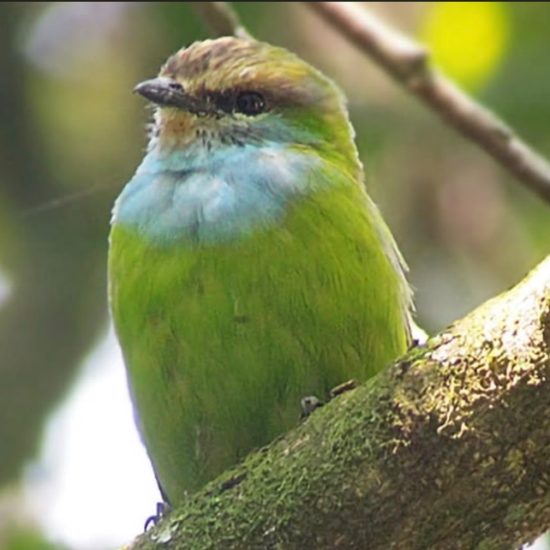
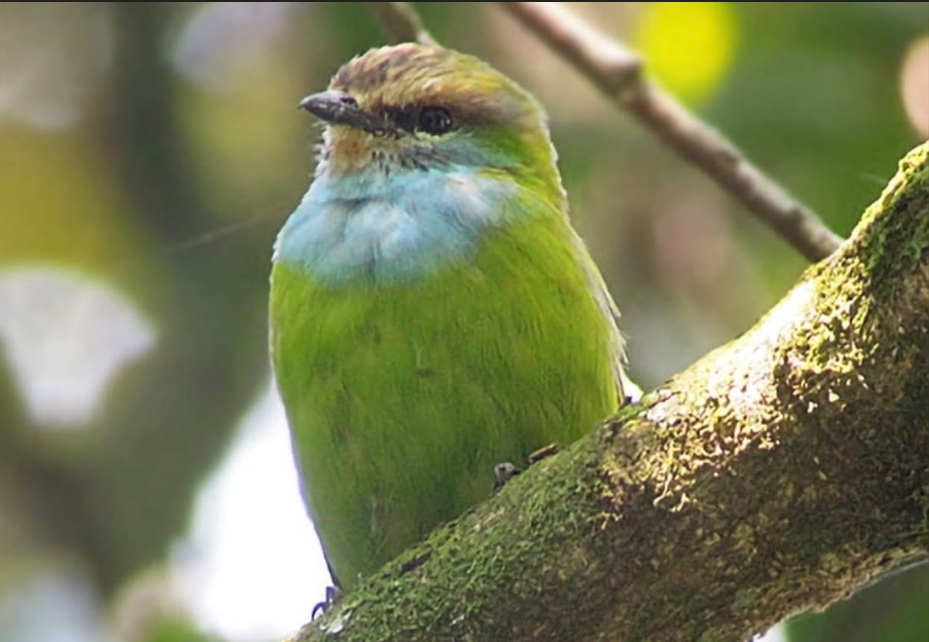
Bird watching in Gishwati- Mukura National Park is one of the most amazing activities in the park that give bird enthusiasts a chance to enjoy the park’s rich avian life. This is a guided activity led by an experienced park birder who provides more information about the bird species encountered. Birding is best done in the morning hours when birds are most active, and the park has various trails used specifically for birding. Some of the birds to see include , Blue-headed Coucal, Blue Malkoha, Klaas’s Cuckoo, African Emerald Cuckoo, Barred Long-tailed Cuckoo, Black Cuckoo, Red-chested Cuckoo, Rwenzori Nightjar, Square-tailed Nightjar, Little Swift, Red-chested Flufftail, Black Crake, Gray Crowned-Crane, Black-headed Heron, Hadada Ibis, African Harrier-Hawk, Hooded Vulture, Tawny Eagle, African Goshawk, Black Goshawk, Black Kite (Yellow-billed), Mountain Buzzard, Augur Buzzard, Verreaux’s Eagle-Ow, Red-chested Owlet, African Wood-Ow, Speckled Mousebird, Narina Trogon, Bar-tailed Trogon, White-headed Woodhoopoe, Crowned Hornbill, Gray-headed Kingfisher, Cinnamon-chested Bee-eater, Yellow-rumped Tinkerbird, Lesser Honeyguide, Scaly-throated Honeyguide, Elliot’s Woodpecker, Cardinal Woodpecker, Bearded Woodpecker, Olive Woodpecker, Tullberg’s Woodpecker, Eurasian Kestrel, Rwenzori Batis, Chinspot Batis, Northern Puffback, Lüdher’s Bushshrike.
Chimpanzee Tracking.
Chimpanzee tracking is an interesting safari activity in the park that involves walking through the dense forest in search of the chimps. The park is home to over 30 chimpanzees which can be tracked, and tracking is a guided activity led by a park guide who ensures participants’ safety and identifies various wildlife species encountered. Tracking takes 2 to 4 hours, and once chimpanzees are located, participants spend one hour observing their behaviours. They can see them playing, feeding, and mothers taking care of the young ones just like humans, since chimpanzees are our closest relatives on Earth, sharing 98% of human DNA. Seeing chimpanzees in their natural habitats is one of a lifetime experiences that shouldn’t be missed by nature lovers.
Nature Walks.
Nature walks are among the best things to do in Gishwati- Mukura National Park, that allows travellers to explore the park on foot. This is a guided activity led by a knowledgeable park guide, who provides information on wildlife species encountered. The park has well-maintained trails which are specifically for nature walks, and all provide excellent chances of exploring the park’s beauty. They will encounter birds like Bearded Woodpecker, Olive Woodpecker, Tullberg’s Woodpecker, Eurasian Kestrel, Rwenzori Batis, Chinspot Batis, Northern Puffback, Lüdher’s Bushshrike, Tropical Boubou, Willard’s Sooty Boubou, and animals like duikers, forest elephants, vervet monkeys and more.
Best Time to Visit Gishwati- Mukura National Park.
Gishwati- Mukura National Park can be visited throughout the year, and the best time to visit depends on the individual’s travel plans. Just like any other East African national park, it experiences two seasons: the dry season and the wet season. The dry season runs from June to September and from December to February. During this period, the park receives little to no rainfall; the hiking trails are less muddy and slippery, making it easier to penetrate the dense forest in search of primates and various bird species. The wet season runs from March to May and October to November. During these months, the park receives enough rainfall, the vegetation is dense, and the hiking trails are muddy and slippery. However, this period favours budget travellers as most accommodations and travel companies offer discounts.