Birding Experience in Gishwati Mukura National Park.
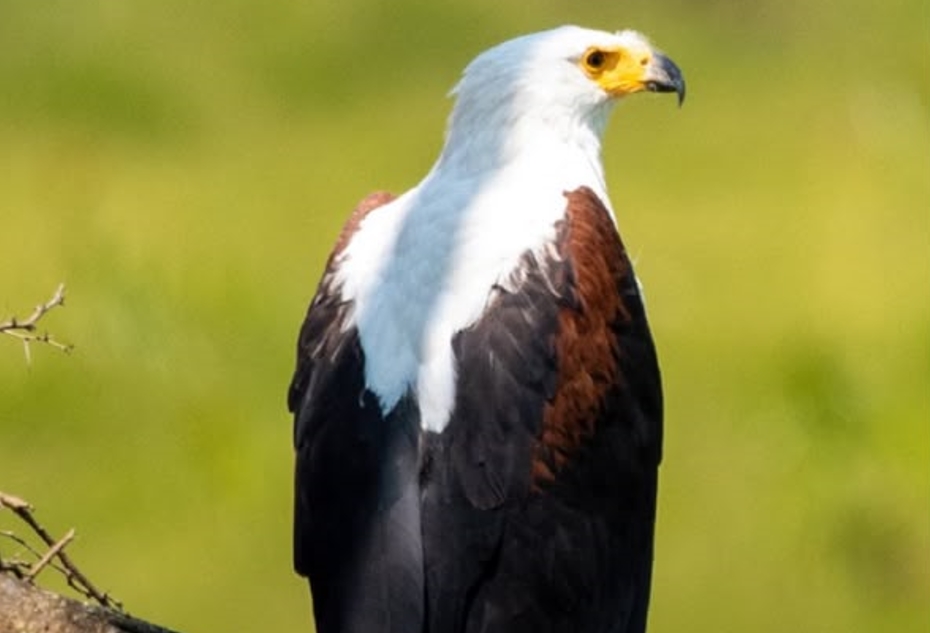
A birding experience in Gishwati Mukura National Park offers an exceptional opportunity for bird enthusiasts and ornithologists to explore one of Rwanda’s best bird-watching safari destinations with its rich avian life. The park is located in the western part of the country within the Albertine Rift. It is formed by the small Mukura Forest and the large Gishwati Forest, both of which have a remarkable number of unique bird species. Gishwati Mukura National Park hosts more than 20 bird species in Gishwati Forest and 163 bird species in Mukura Forest. These bird species include Albertine endemics, forest birds, migratory birds, water birds and the park’s residents, which are rare to find anywhere else.
It’s blessed with a mix of natural systems that provide habitats to various bird species, such as swamps, grasslands, tropical rainforests, and montane forests. The park has well-maintained trails which are used for bird watching and all provide excellent chances of encountering various bird species in their natural habitats. Bird watching is a guided activity led by an experienced park birder who identifies bird species and provides more insights about their behaviours. It’s best enjoyed in the morning hours or late afternoon when birds are most active, and this provides good opportunities to capture stunning images of various bird species in their natural habitats.
Birds to Encounter on a Birding Experience in Gishwati Mukura National Park.
Bird lovers will find the park a paradise for bird watching, with over hundreds of bird species found in the park. The birds to encounter include White-eyed Slaty-Flycatcher, Archer’s Robin-Chat , Cape Robin-Chat, White-browed Robin-Chat, Red-capped Robin-Chat, White-starred Robin, Red-throated Alethe, Equatorial Akalat, African Stonechat, Abyssinian Ground-Thrush, Abyssinian Thrush, Slender-billed Starling, Waller’s Starling, Sharpe’s Starling, Stuhlmann’s Starling, Collared Sunbird, Green-headed Sunbird, Blue-headed Sunbird, Olive Sunbird, Scarlet-chested Sunbird, Purple-breasted Sunbird, Bronze Sunbird, Malachite Sunbird, Stuhlmann’s Sunbird, Northern Double-collared Sunbird, Regal Sunbird, Variable Sunbird, Cape Wagtail, Mountain Wagtail, African Pied Wagtail, African Pipit, Yellow-fronted Canary, Western Citril, Streaky Seedeater, Thick-billed Seedeater, Yellow-crowned Canary, Golden-breasted Bunting, Baglafecht Weaver, Strange Weaver, Holub’s Golden Weaver, Brown-capped Weaver, Yellow-bellied Waxbill, Dusky Crimsonwing, Fawn-breasted Waxbill, Crimson-rumped Waxbill, Common Waxbill, Black-crowned Waxbill, Kandt’s Waxbill, African Paradise-Flycatcher, Pied Crow, White-necked Raven, Rock Martin, Angola Swallow, Red-rumped Swallow, White-headed Sawwing, Black Sawwing, White-tailed Blue Flycatcher, Stripe-breasted Tit, Eastern Mountain-Greenbu, Yellow-whiskered Greenbul, Handsome Francolin, Scaly Francolin, Rameron Pigeon, Dusky Turtle-Dove, Red-eyed Dove, Blue-spotted Wood-Dove, Tambourine Dove, African Green-Pigeon, Great Blue Turaco, Black-billed Turaco, Rwenzori Turaco, Blue-headed Coucal, Blue Malkoha, Klaas’s Cuckoo, African Emerald Cuckoo, Barred Long-tailed Cuckoo, Black Cuckoo.
Birding in Gishwati- Mukura National Park.
Birding experience in Gishwati- Mukura National Park is one of the most thrilling activities in East Africa, which allows bird enthusiasts and ornithologists to explore the park’s unique bird species. This is a guided activity led by a knowledgeable birder who gives educational information about the bird species and assists travellers by identifying various birds in the park by hearing their melodic sounds and sounds. Birding is best done in the morning hours and late afternoon hours when birds are most active in the park. Birders are advised to prepare a bird checklist while visiting the park, which helps them to search for specific bird species that they are interested in seeing, and it also makes the birding experience more fun as they tick off birds they have encountered. The park has various trails specific to bird watching, which cater to all levels of fitness, whether you are an experienced birder or simply a beginner. Gishwati- Mukura National Park offers unforgettable bird watching experiences.
What is the Best Time to do Birding.
Visitors can have a thrilling birding experience in Gishwati- Mukura National Park at any time of the year. The wet season, which runs from October to November and March to May, is the most preferred season by birders. During this season, the park receives enough rainfall, and there is enough food, which attracts migratory birds from Europe and North Africa. This is the breeding season of most bird species in the park, which makes encountering them easier. Bird lovers can also visit the park in the peak season, which runs from June to September and December to February. This period receives little to no rainfall, and the park is drier, which makes it easy to penetrate it.