How Much Does a Gorilla Trekking Permit Cost for Mgahinga National Park
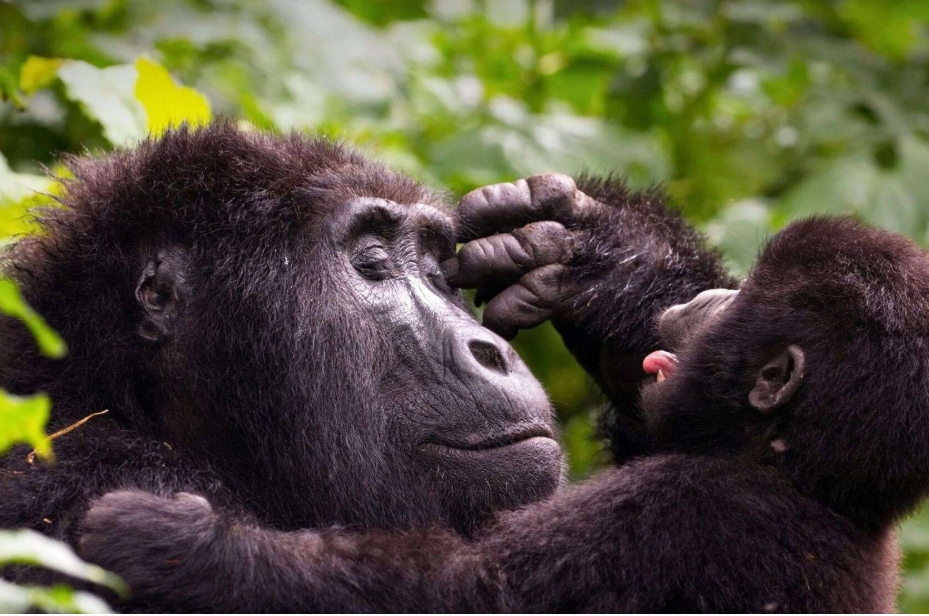
How Much Does a Gorilla Trekking Permit Cost for Mgahinga Park: There is a reason travellers save for years to stand in a Ugandan forest and watch a mountain gorilla go about its day. The encounter is quiet, humbling and impossible to fake. For one hour, you share a patch of misty bamboo forest with one of the rarest animals on earth, and the rest of the world simply fades away. After the slump caused by the COVID-19 pandemic, gorilla trekking in Mgahinga Gorilla National Park is once again growing, and more visitors are asking the same practical question: what does it actually cost?
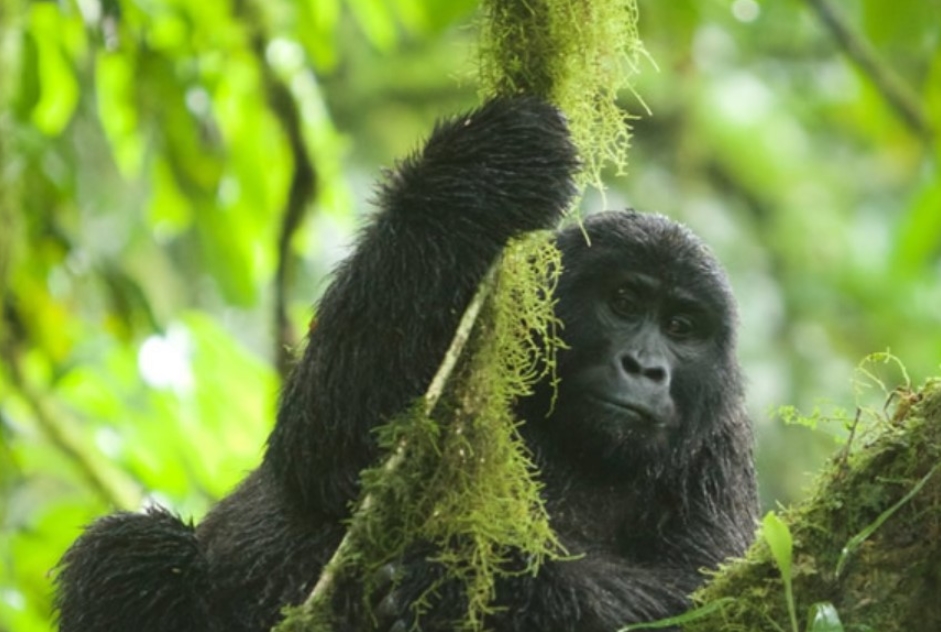
Mgahinga is the smallest of Uganda’s gorilla parks, set in Kisoro District in the far south-west, right beside the borders with Rwanda and the Democratic Republic of Congo. Its volcanic slopes shelter the Nyakagezi gorilla family, a habituated group that welcomes visitors under carefully managed conditions. Everything starts with a permit, a document issued by the Uganda Wildlife Authority (UWA) that proves you are allowed to enter the forest and see the gorillas. Without one, nobody goes in. This guide explains what the permit costs, what your money pays for, when to book and how to buy it.
What Is a Mgahinga Gorilla Permit?
A gorilla trekking permit is an official legal document from UWA that allows you to trek mountain gorillas in their natural habitat. Rangers check it at Ntebeko Visitor Centre on the morning of your trek, before the briefing begins, so it must be in your hands on the day. No traveller is allowed to enter the forest in search of the gorillas without one.
Current Permit Prices
How Much Does a Gorilla Trekking Permit Cost for Mgahinga Park: Mgahinga permits are priced by travel category. The current gorilla trekking rates include US$800 for non-foreign residents, US$700 for foreign residents and UGX 300,000 for East African residents.
These prices are well below what travellers pay in Rwanda’s Volcanoes National Park, where a gorilla permit costs US$1,500. If you are watching your budget, there is one more trick. During the low-season months of April, May and November, UWA offers discounted permits at US$600 for foreign non-residents and US$500 for foreign residents, which can shave a decent amount off the cost of a family trip. Rates are reviewed from time to time, so always confirm the figure with UWA or your operator before paying.
What Does Your Permit Include?
Your permit gives you a guided trek with armed ranger guides and one hour in the company of the gorillas once they are found. That hour is for watching, learning and taking photographs. If you want longer, Mgahinga is not the place for it. Travellers who want extended time with a gorilla family can join the gorilla habituation experience in Bwindi Impenetrable National Park, where visitors spend several hours with a group that is still being accustomed to people.
Why Does a Gorilla Permit Cost So Much?
The experience can feel pricy, even if it is affordable by regional standards. The reason is simple, conservation is expensive, and gorillas are among the most carefully protected animals in Africa. A large share of your fee supports the day-to-day work of the park, including ranger salaries, scientific research, veterinary care for the gorillas and the patrols that move through the forest to keep it safe.
Another portion goes directly to the communities around the park, including the Bakiga and Batwa people. Sharing revenue shows local families that living gorillas bring real benefits, which in turn reduces the temptation toward poaching and encourages people to protect the forest rather than harm it. In other words, your permit helps the gorillas survive and strengthens the people who live beside them.
When Should You Book?
You are advised to plan and book early. Only 8 permits are available each day in Mgahinga, because the park has a single habituated family and UWA allows a maximum of eight visitors per group. Permits are sold on a first come, first served basis, so the sooner you book, the better your chances. Most travellers should reserve three to four months in advance, or more, especially if they want to trek during the dry season.
Some travellers hear that last-minute permits are easy in the rainy season, and occasionally that proves true because fewer people travel. But there is no guarantee, and with only eight permits a day, relying on luck is a risky strategy.
How to Book Your Gorilla Trekking Permit?
How Much Does a Gorilla Trekking Permit Cost for Mgahinga Park: You can obtain a permit in two ways: directly from UWA or through a licensed tour operator. The price is the same either way. The only difference is who handles the paperwork and who collects the permit. Note that foreign non-resident visitors are now generally asked to book through licensed Ugandan operators, so check the current rules before you start.
Booking with UWA. This route suits travellers, such as Ugandan residents, who are organising their trip themselves. Send your intended travel month and dates to the UWA reservations office by email. If permits are available, they will reply with banking details and price options. Choose the rate that matches your nationality, make the payment, and send back a scanned copy of the receipt. After that, your permit is booked, and you collect it from the UWA offices in Kamwokya, Kampala, when you arrive in the country.
Booking with a tour operator. For most visitors, this is the easiest and most reliable method. A licensed operator checks availability with the UWA reservations office using your dates, asks for a deposit once permits are confirmed, and secures the permit on your behalf. They collect it for you and hand it over when your safari begins, so you can focus on packing and planning. Before choosing a company, make sure it is licensed by the Uganda Tourism Board, and read reviews from recent travellers.
Tips to Know Before You Pay
Have your travel dates and personal details ready, since your name is printed on the permit. Keep your payment receipt safe. Confirm that the permit is non-refundable or non-transferable if the operator says so, particularly for discounted low-season tickets. And remember that you must be at least 15 years old to trek.