What Makes Mgahinga Gorilla Park Unique
Mgahinga National Park is a well-known park in Uganda located in the Kisoro district, covering 33.9 sq km. It is one of two parks for mountain gorillas, along with Bwindi Impenetrable National Park. Many tourists wonder what makes Mgahinga Gorilla Park Unique which include Mountain gorillas, golden monkeys, various bird species, Batwa pygmies among others. The British government established it as a game sanctuary in 1930, and it became a national park in 1991. The Batwa people, known as the forest custodians, were moved from the area to help reduce wildlife poaching and protect the plants. They now live at the edge of the park.
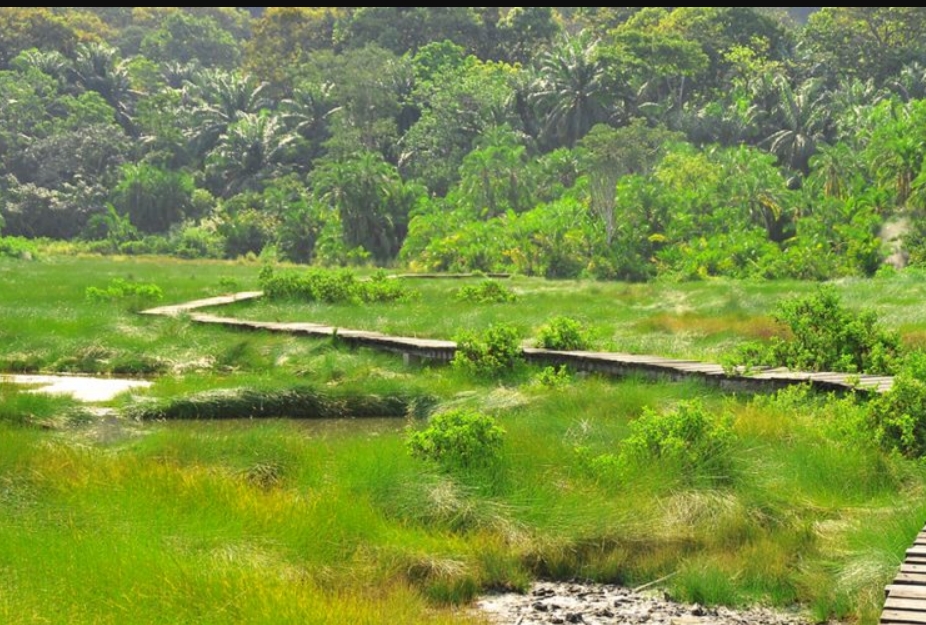
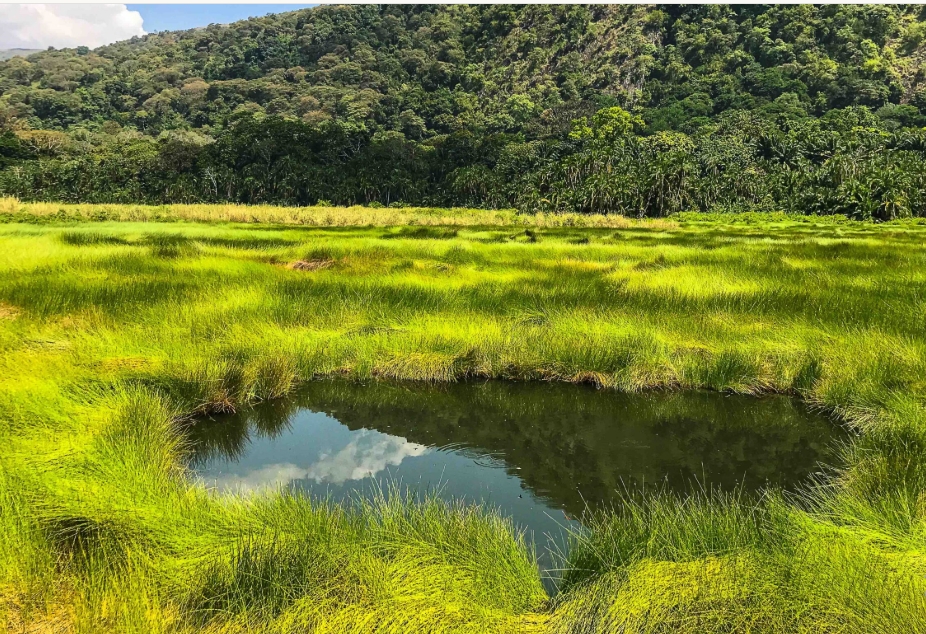
The habituation process for mountain gorillas started after the park was established and lasted for two years. By 1993, visitors could spend time with mountain gorillas in Mgahinga National Park. The gorilla family there is called ‘Nyakagezi.’ The park has many plant species, such as Afro-montane, bamboo, montane, woodland, and low-ground plants, which support various animals such as Mountain gorillas, golden monkeys, blue monkeys, black and white colobus monkeys, forest elephants, bush pigs, duikers and several bird species.
What Makes Mgahinga Gorilla National Park unique
The Virunga Mountains
The Virunga volcanoes are a chain of 8 scenic volcanoes found in East Africa along the Albertine Rift Valley in three countries Uganda, Rwanda, and the Democratic Republic of Congo. These Virunga volcanoes are catchment areas for wildlife species such as the endangered mountain gorillas, golden monkeys, other primates, and bird species. Three of the eight Virunga volcanoes are hosted in Mgahinga Gorilla National Park, where one is shared with Volcanoes National Park and Virunga National Park; another is shared with Volcanoes National Park in Rwanda. Sabyinyo, Muhabura, and Gahinga are among the three mountains in Mgahinga National Park that can be hiked.
The Endangered Mountain gorillas
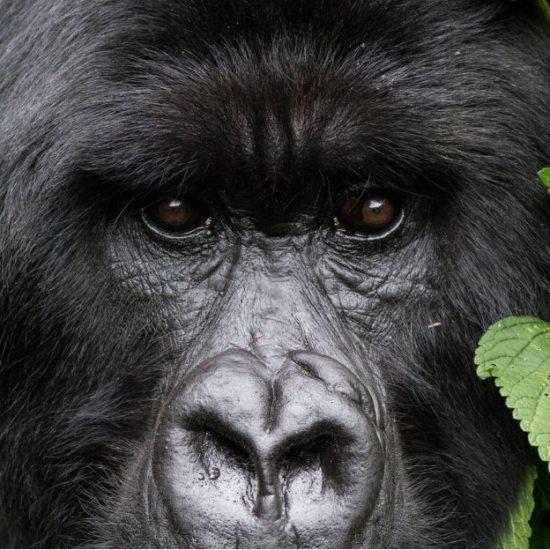
Mgahinga National Park is home to only one Nyakagezi mountain gorilla family; the small number of these primates in the park means it has the lowest number of mountain gorillas worldwide. Along the slopes of the Virunga volcanoes, mountain gorillas dwell in Albertine rift Afromontane woodland. Areas of the park inhabited by the mountain gorillas feature lush green foliage. The primary cause for Mgahinga National Park’s great popularity outside is the mountain gorillas. Unusually seen in the globe, mountain gorillas are an endangered species of primate. Among the four locations where these mountain gorillas live are Mgahinga National Park and Bwindi Impenetrable National Park in Uganda, Volcanoes National Park (Rwanda), and Virunga National Park (DRC Congo).
Golden monkeys
One of the endemic primate species discovered in Uganda is the golden monkey. These lovely primates only live in Mgahinga National Park, where they roam the bamboo vegetation on the sides of Virunga volcanoes such as Sabyinyo, Muhabura, and Gahinga. Little golden monkeys have a golden-orange color on their upper flanks and rear. Golden monkeys are gregarious, with up to 30 members under the leadership of an alpha male. The golden monkeys are typically found in the bamboo woods, where they eat most of their meals. Though sometimes they eat insects, bamboo, fruits, and leaves make up their diet. Some golden monkeys in Mgahinga National Park have been completely habituated; others are still undergoing habituation and are free for habituation events.
Bird Species- What Makes Mgahinga Gorilla Park Unique
Mgahinga Gorilla National Park is home to over 180 bird species, 14 of which are endemic to the Albertine Rift. One of the finest habitats for birds in southwestern Uganda, Mgahinga National Park boasts 180 bird species on a 33.9 sq. km piece of property. Although birds of Mgahinga National Park can be observed during many park events, the best approach is when you go on a walking safari.
Birds to see include the Rwenzori Batis, Cape Robin-Chat, Brown Crowned Tchagra, Kivu Ground Thrush, Moorland Chat, Cape Robin-Chat, Rwenzori Turaco, African Paradise Flycatcher, Olive Woodpecker, Archer’s Robin-Chat, Black Kite, Alpine Swift, Western Standard Robin, Regal Sunbird, Rwenzori Nightjar among others.
Batwa pygmies
Apart from the endangered mountain gorillas and other animal species, at the edges of Mgahinga National Park, there live the Batwa pygmies. Living inside Mgahinga National Park, the Batwa pygmies had been forest dwellers for so many years. After their eviction in 1991 by the Ugandan government, some of them chose to find homes along the border areas of the national park. Visitors seeking to learn more about the African culture do not miss out on the Batwa. Tourists visiting Mgahinga National Park usually set aside some time to visit the Batwa’s residences. The Batwa pygmies in Mgahinga are friendly and hospitable and prepared to educate you about their way of life. A visit to the Batwa gives you a chance to participate in food preparation, wine production, and traditional dances, and gain knowledge about the medicinal application of several plants.
What is the best time to visit Mgahinga Gorilla National Park
Mgahinga National Park offers a variety of attractions throughout the year, but some months are better than others. The best time to visit Mgahinga National Park is during the dry season, when there is little to no rainfall, making the trekking trails dry and easier to trek the mountain gorillas. However, during the rainy season, which runs from March to May and October to November, visitors can visit Mgahinga National Park, particularly those who enjoy bargains and have the time to do so. During the rainy season, Lodges and tour operators offer reduced rates due to low turn-ups of visitors to the park. These months receive too much rainfall,l leading to thick vegetation cover that un clear views of the scenery and other wildlife species.
How can I access Mgahinga Gorilla National Park
Using road transportation or air transport, one day, travelers can reach Mgahinga National Park. Road transport requires 9 to 10 hours of going over many regions, and seeing varied scenery along the roadsides. Using road transport, the journey begins from Kampala or Entebbe and drives via Masaka- Mbarara via Kabale and Kisoro to the park. You will use any of the airline businesses within the country that have flights to Kisoro via air travel. Bar Aviation Uganda and Aerolink Uganda have flights to southwestern Uganda starting from Kajjansi airstrip or Entebbe International Airport to Kisoro airstrip in 1 hour and a few minutes. Particularly during the dry season, visitors planning to fly should arrange their flights at least 3-4 months in advance.