Why Visit Gishwati- Mukura National Park.
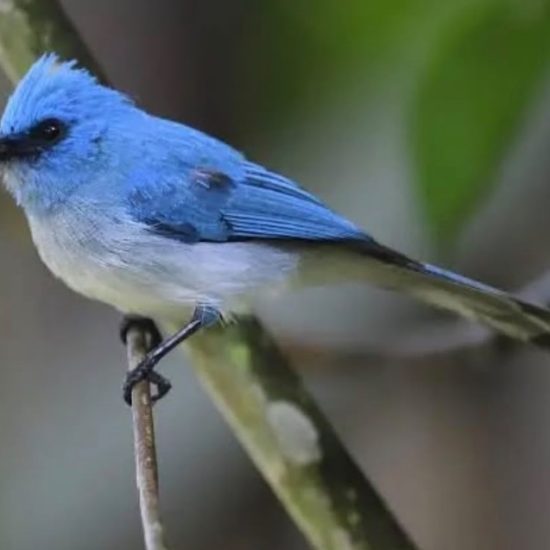
Why Visit Gishwati- Mukura National Park is a frequently asked question by travellers searching for destinations to visit on their safari in Rwanda. Gishwati- Mukura National Park is a remarkable safari destination situated in the western region of Rwanda, which offers travellers an opportunity to explore one of the remaining montane rainforests in East Africa. This is the second place in Rwanda to host chimpanzees after Nyungwe Forest National Park, which attracts primatologists and nature lovers to have a close encounter with them in their natural habitats. It is not only a home for chimpanzees; it also hosts up to 230 bird species, including forest birds, migratory birds, Albertine Rift endemics, water birds and the park’s endemic species, which are rare to find anywhere else.
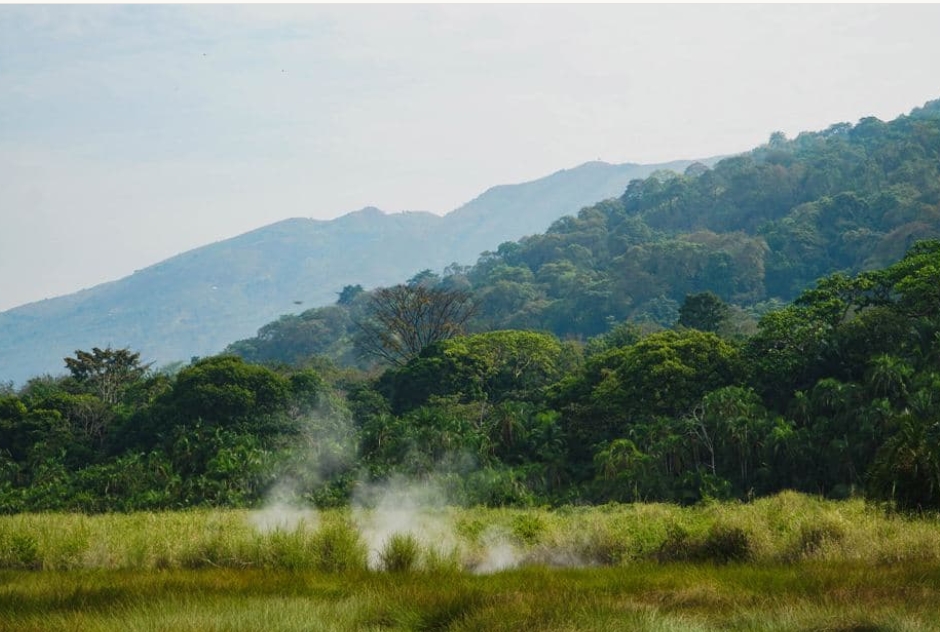
Gishwati- Mukura National Park is home to over 60 tree species, 100 butterfly species, which add beauty to the park, 20 mammal species and 5 primate species. The park’s rich biodiversity is supported by the presence of diverse ecosystems such as wetlands, grasslands, tropical rainforests and montane forests, which provide habitats to various birds and wildlife species. The park provides various activities to travellers visiting the park, which cater to all their needs. Whether you’re a bird enthusiast or simply a curious traveller, Gishwati-Mukura National Park promises exceptional safari experiences.
Why Visit Gishwati- Mukura National Park.
Rich Avian Life.
Gishwati National Park is a haven for birdwatching, with more than 230 bird species such as Albertine Rift endemics, migratory birds, forest birds, water birds, and the park’s residents. Birds found in the park include Mountain Buzzard, Augur Buzzard, Verreaux’s Eagle-Ow, Red-chested Owlet, African Wood-Ow, Speckled Mousebird, Narina Trogon, Bar-tailed Trogon, White-headed Woodhoopoe, Crowned Hornbill, Gray-headed Kingfisher, Cinnamon-chested Bee-eater, Yellow-rumped Tinkerbird, Lesser Honeyguide, Scaly-throated Honeyguide, Elliot’s Woodpecker, Cardinal Woodpecker, Bearded Woodpecker, Olive Woodpecker, Tullberg’s Woodpecker, Eurasian Kestrel, Rwenzori Batis, Chinspot Batis, Northern Puffback, Lüdher’s Bushshrike, Tropical Boubou, Willard’s Sooty Boubou, Albertine Boubou, Many-colored Bushshrike, Doherty’s Bushshrike, Lagden’s Bushshrike, Gray Cuckooshrike, Black Cuckooshrike, Mackinnon’s Shrike, Northern Fiscal, African Golden Oriole, Black-tailed Oriole, Common Bulbul (Dark-capped), White-browed Crombec, Grauer’s Warbler, Red-faced Woodland-Warbler, African Yellow-Warbler, Mountain Yellow-Warbler, African Reed Warbler, Evergreen-Forest Warbler, Cinnamon Bracken-Warbler, Grauer’s Swamp Warbler, Rwenzori Apalis, Green-backed Camaroptera, Black-throated Apalis, Black-faced Apalis, Chestnut-throated Apalis among others.
Home to Various Primate Species.
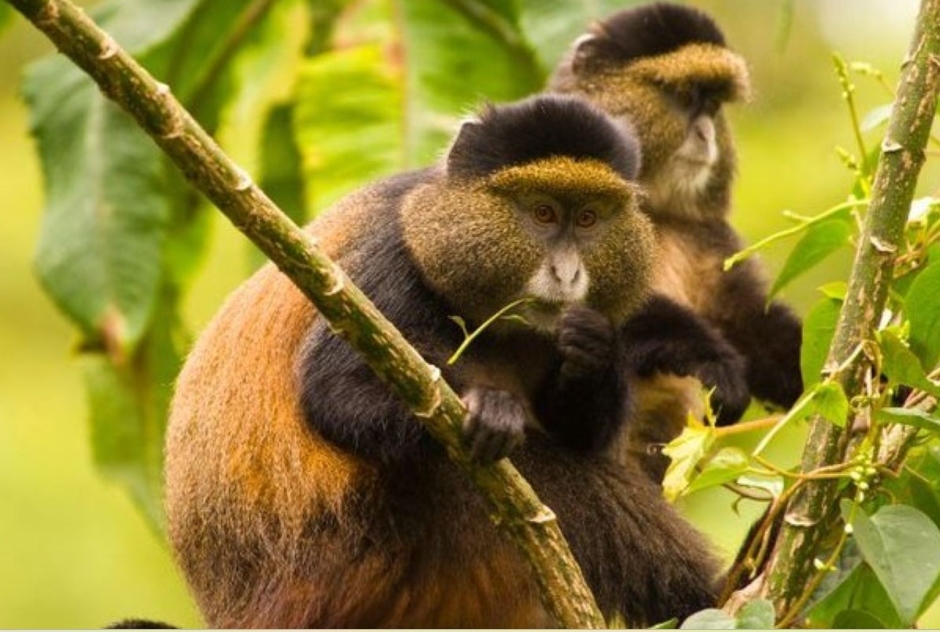
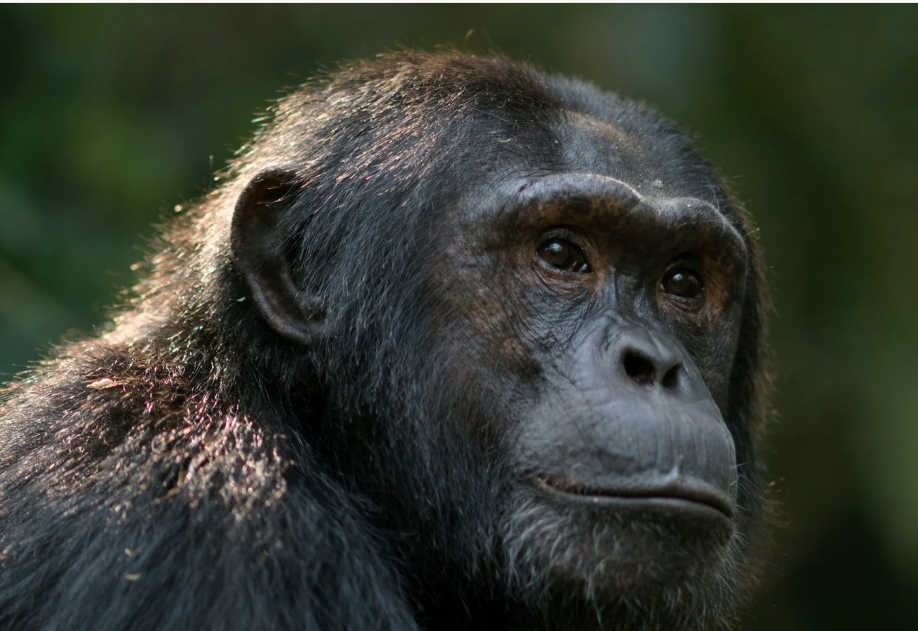
This is one of the major reasons why nature lovers should visit Gishwati- Mukura National Park. The park is home to over 6 primate species, including over 30 individuals of chimpanzees, making it the second destination for chimpanzee tracking in Rwanda. Other primates found in the park include golden monkeys, vervet monkeys, L’Hoest’s Monkey, Blue monkeys, Black and white colobus monkeys. Travellers can either do chimpanzee tracking or golden monkey tracking, which allows them to have close encounters with these awesome primates.
Rich Biodiversity.
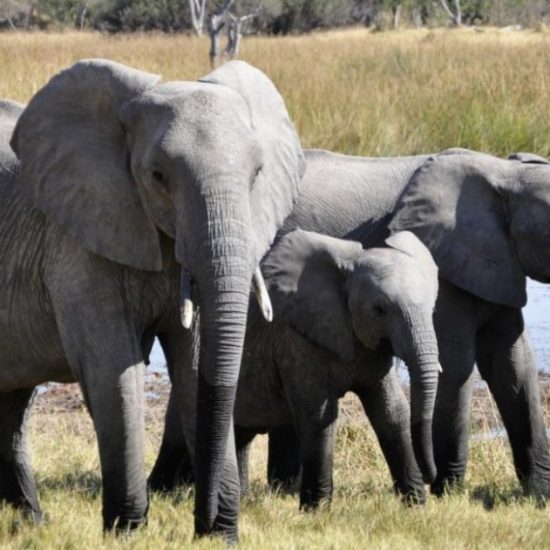
This is one of the best reasons why to visit Gishwati- Mukura National Park, as it’s home to a variety of wildlife and bird species. It has up to 20 mammal species like red river hog, bush pig, serval cat, African civet, bushbuck, side-striped Jackal, Rwenzori sun Squirrel, 6 primate species like golden monkeys, blue monkeys, vervet monkey, Black and white colobus monkeys, chimpanzees, butterflies like African giant swallowtail, citrus swallowtail, African monarch, yellow pansy, mountain acrea, Blue Diadem, common commodore, African blue tiger and more. The park’s rich biodiversity is supported by its unique ecosystems, which provide habitats to various wildlife species, such as tropical montane forests, swamps, and grasslands.