What to Do After a Safari in Semuliki National Park
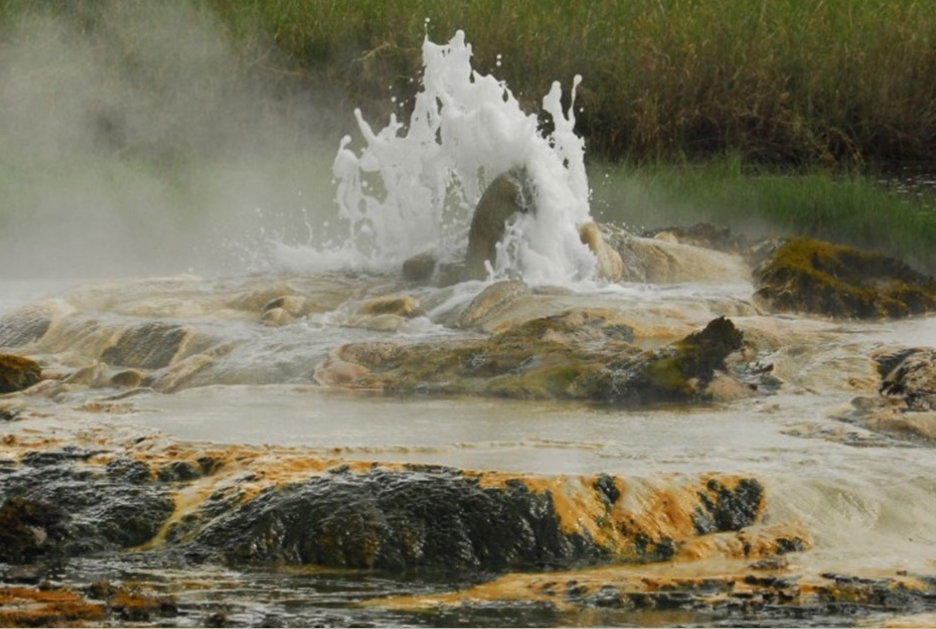
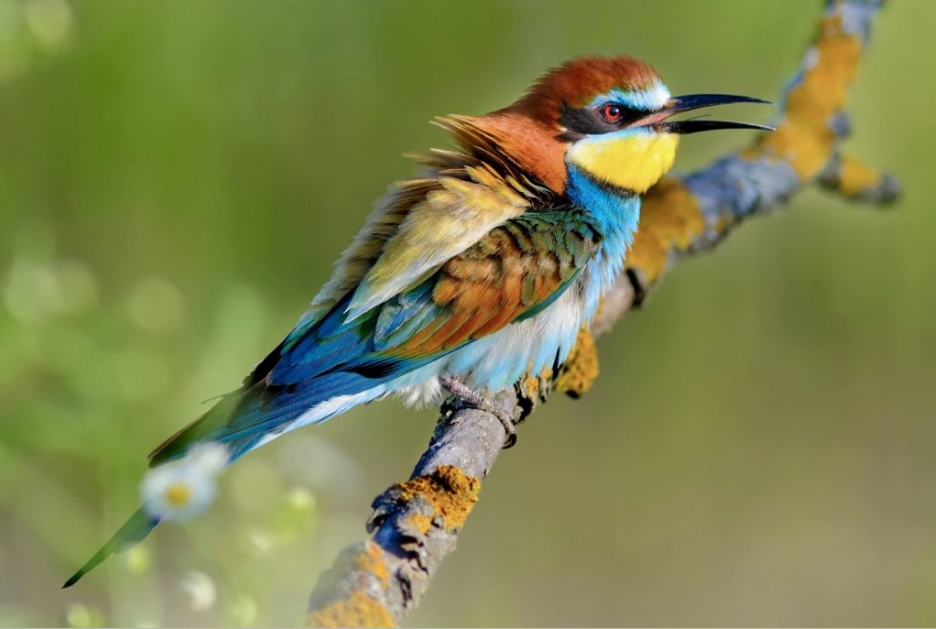
What to Do After a Safari in Semuliki National Park: Semuliki National Park is a 220 sq. km area located in the Bundibugyo district of western Uganda. Established in 1993, it aims to protect various wildlife attractions. The park is home to over 435 bird species, 9 primates, 53 mammals, and 448 butterfly species, as well as water sources, hot springs, and the Batwa pygmies. It attracts many visitors, and this article will explore other areas tourists can visit after Semuliki National Park.
Other Things to Do After a Safari in Semuliki National Park
A Visit to Rwenzori National Park
Rwenzori national park is another national park adjacent to Semuliki National Park. From Semuliki National Park, visitors can go to Rwenzori National Park and engage in a variety of activities. Rwenzori National Park where the mountain ranges are located is famous for hiking excursions.
Hiking is the most popular activity in Rwenzori national park where tourists hike Mount Rwenzori depending on their time stay. Hiking on Mount Rwenzori takes a number of days however visitors can hike for the number of days they want. Tourists can hike Mount Rwenzori for 1,2,3 or even up to 10 days depending on the time they have in the park. Hiking Rwenzori comes with a chance to meet different wildlife species, see breathtaking views, take photos and memorable record videos.
Visit Kibale Forest National Park
One of the national parks closest to Semuliki National Park is Kibale Forest National Park. This implies that following a safari in Semuliki National Park, visitors can always go to Kibale National Park. Kibale National Park is endowed with several attractions, implying that the park has several activities that can be done. Kibale is famous for hosting the largest number of chimpanzees globally.
Chimpanzee trekking is the park’s highlight and draws tourists all over the world to come and witness the intelligent apes in their natural habitat. Tourists who are on their safari in Semuliki National Park can always add Kibale Forest National Park for chimpanzee trekking. The park has more than 1500 chimpanzees in kibale forest and 3 large chimpanzee families that have under gone habituation and ready for trekking.
Chimpanzee trekking activities in Kibale Forest national park are carried out by only those tourists who have permits. The exercise begins early with a briefing at the park offices where rangers teach and guide trekkers about the dos and don’ts of the activity. After the briefing, trekkers are led by the armed ranger guides into the jungle where the search begins for chimpanzees.
The search for chimpanzees takes about 3 to 5 hours where by trekkers on their way may encounter various wildlife animals, primates, birds and several plants. After hours of searching and locating chimpanzees, trekkers are allowed to spend 1 hour with the chimpanzees and this allows them to learn about their daily activities, take memorable photos, and record videos.
More else to do in Kibale Forest National Park is birding where birdwatchers have an opportunity of seeing over 375 bird species. Birding in Kibale Forest is carried out in the form of nature and forest walks where bird enthusiasts are taken around the park using designated birding trails with the help of an armed ranger guide.
Birding in Kibale Forest national park offers birders an opportunity of watching bird species such as white-breasted negrofinch, scaly-breasted illadopsis, black-bellied firefinch, fan-tailed widowbird, purple breasted sunbird, white collared olive, papyrus gonolek, barn swallow, slate-colored boubou, African emerald cuckoo, shy flycatcher, scaly brested illadopsis, crowned eagle, Great blue turaco, Narina trogon, grey parrot, zebra waxbill, chubb’s cisticola.
Yellow spotted nicator, bare-faced go-away-bird, African grey woodpecker, doherty’s bushshrike, African shrike flycatcher, black-crowned tchagra, white-tailed blue flycatcher, blue-throated roller, cardinal woodpecker, speckled mousebird, African firefinch, eastern plantain-eater, alpine swift, and hairy breasted barbet, African pipit, African wagtail, blue-headed sunbird, crowned eagle, brown chested alethe, among others.
What is the Best time to Visit Semuliki Natioanal Park?
An excursion to Semuliki national park and sorrounding national parks can be done at any time of the year however some months are more convenient than others. The dry season months which run from December to February and June to September offers the best safari experience in Uganda. This is because they are subject to little rainfall and much sunshine making the walking trails dry and passable while the roads leading to the park are passable.
Travellers can still have this safari in the wet season and this works best for budget travelers since most times they come with discounted accommodation facilities and tour packages. The wet season occurs from March to May and October to November when the country is receiving heavy rains. Tourists should come knowing that the walking trails are muddy and slippery while the roads leading to the park are passable.