What Makes Ngorongoro Conservation Area Famous
Ngorongoro Conservation Area is one of the best safari destinations in East Africa, located in the northern part of Tanzania. What makes the Ngorongoro Conservation Area famous is the most asked question, and this blog will discuss its uniqueness. It is known for hosting the Ngorongoro Crater, which is one of the seven wonders of the world. It is part of Serengeti National Park, established in 1959 as a multiple land use area with wildlife and humans, the Maasai, semi-nomadic pastoralists. It spans an area of approximately 8,294 square kilometres, and it is blessed with a mix of ecosystems such as savannah grasslands, tropical rainforests, montane forests, woodlands, wetlands, and lakes, which provide habitats to various wildlife and bird species.
It hosts up to 550 bird species, including forest birds, water birds, migratory birds, savannah birds and the park’s endemic species, which are rare to find elsewhere in the world. It is also celebrated for its high concentration of animals; over 25000 large animals are found in this place, with over 65 lions, making it the best place to encounter all the African big five mammals such as leopards, elephants, rhinos, and buffaloes. Others include cheetahs, zebras, elands, vervet monkeys, olive baboons, gazelles and more. It also hosts Olduvai Gorge, a14km long deep ravine which is a key archaeological site.
Things that make Ngorongoro Conservation Area Famous.
The Ngorongoro Crater.
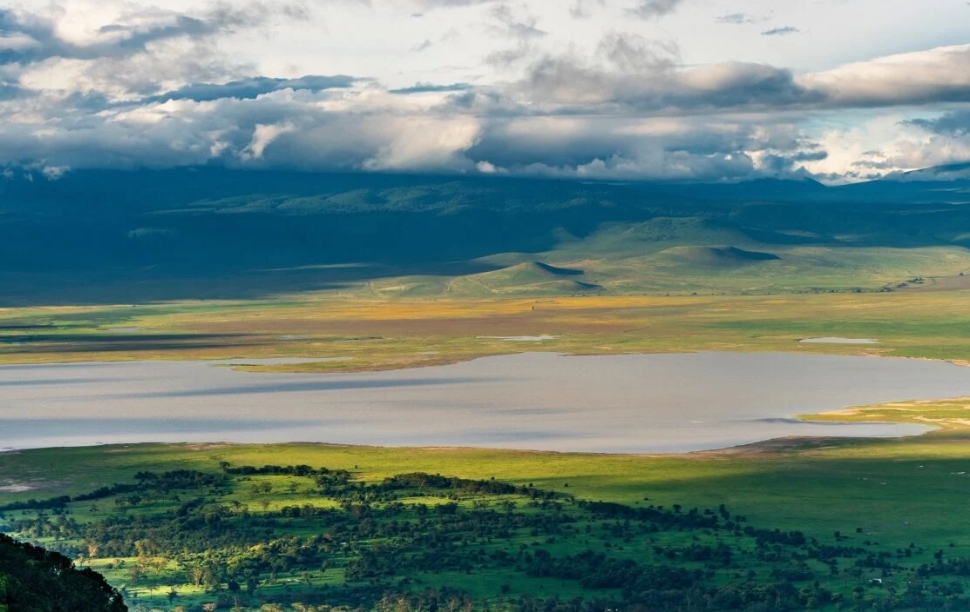
The Ngorongoro Crater is the major attraction in the Ngorongoro Conservation Area, which attracts thousands of travellers to explore its uniqueness. It’s the largest inactive caldera in the world. The Ngorongoro Crater is a large, unbroken and flooded caldera that was formed when a giant volcano exploded and collapsed three million years ago. Ngorongoro Crater sinks to a depth of 610 meters, with a surface area covering 260 square kilometres. Travellers visiting the crater will enjoy its breathtaking views and its home to a good number of animals. A game drive around the crater gives visitors a chance to encounter various animals like elephants, zebras, elands, lions, rhinos, leopards, gazelles, hippos, cheetahs, waterbucks, topis and more. It also allows them to enjoy the breathtaking views of the area and fully connect with nature.
Rich Avian Life.
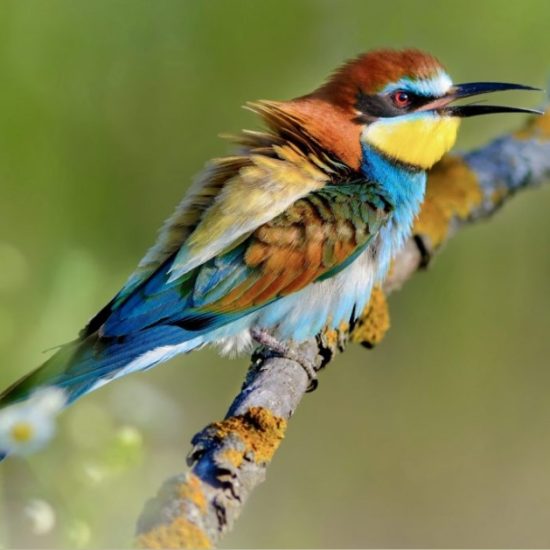
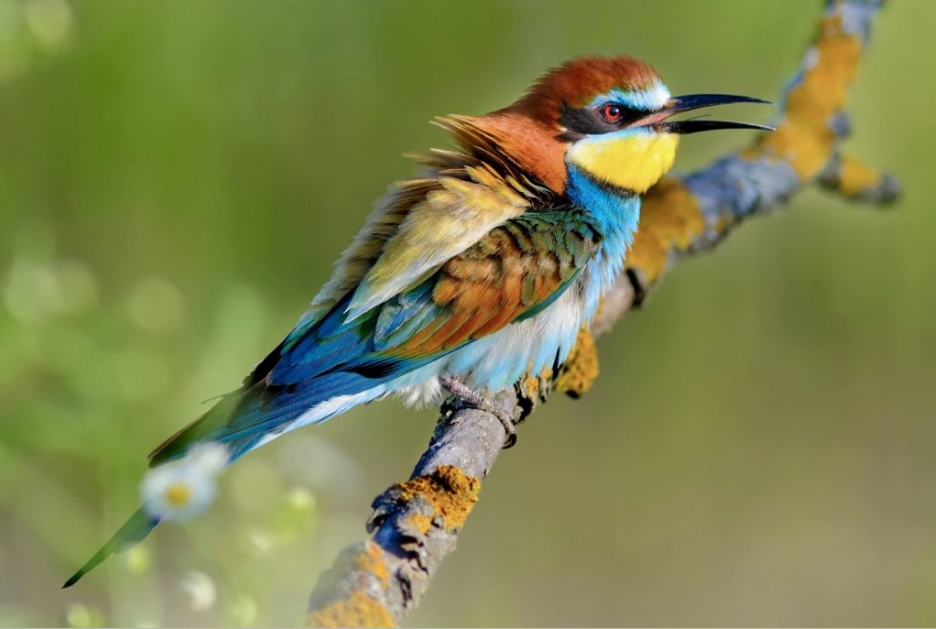
The presence of diverse bird species makes Ngorongoro Conservation Area famous, as it is home to more than 550 bird species, including water birds, forest birds, migratory birds, savannah birds, birds of prey and raptors. The rich avian diversity attracts thousands of bird enthusiasts and ornithologists to explore the unique bird species in the conservation area, such as flamingos, Gray Crowned Crane, African Spoonbill, Saddle-billed Stork, Sacred Ibis, Egyptian Goose, Red-billed Teal, Common Ostrich, Kori Bustard, Secretarybird, Superb Starling, Hildebrandt’s Starling, Schalow’s Turaco, White-eyed Slaty Flycatcher, Cinnamon-chested Bee-eater, Jackson’s Widowbird, Augur Buzzard, Martial Eagle, Lappet-faced Vulture, Rüppell’s Vulture, White-backed Vulture, Bateleur Eagle, Black Kite, Verreaux’s Eagle-Ow, Southern Ground Hornbill, Capped Wheatear, Rufous-tailed Weaver, Golden-winged Sunbird, Tacazze Sunbird.
Rich Biodiversity.
Ngorongoro Conservation Area is not only home to the famous Ngorongoro Crater but is also known for its rich biodiversity. It is home to more than 550 bird species such as savannah birds, water birds, migratory birds and forest birds, some of which are rare to find anywhere else. It’s the best place in Tanzania to see African big five mammals such as lions, elephants, buffaloes, rhinos and leopards. Its home to over 25000 animals including caracals, golden cats, golden jackals, hyenas, cheetahs, African wild dog, hippos, wildebeest, giraffe, elands, zebras, hartebeest, topis, gazelles, bushbucks, oribis, African wildcat, Aardvarks, warthogs, olive baboons, vervet monkeys, spring hare, porcupines, genets, bat-eared fox, spotted-necked otters, blue monkeys, black and white colobus monkeys, impalas, mountain reedbuck, bohor reedbuck, dikdik, and more.
Olduvai Gorge.
Olduvai Gorge is one of the sites that makes the Ngorongoro Conservation Area famous. It’s one of the world’s most significant archaeological and paleoanthropological sites. It is often referred to as the “Cradle of Mankind”; it is famous for its remarkable discoveries of early human ancestors, fossils, and ancient stone tools dating back millions of years. This is a deep 14 kilometers long gorge that is part of the Great Rift Valley. This is where some of humans’ early bones are found. Visitors can explore the museum, learn about fascinating discoveries, and experience the dramatic landscape that preserves an extraordinary record of life and human history.