A Guide to the Ngorongoro Conservation Area.
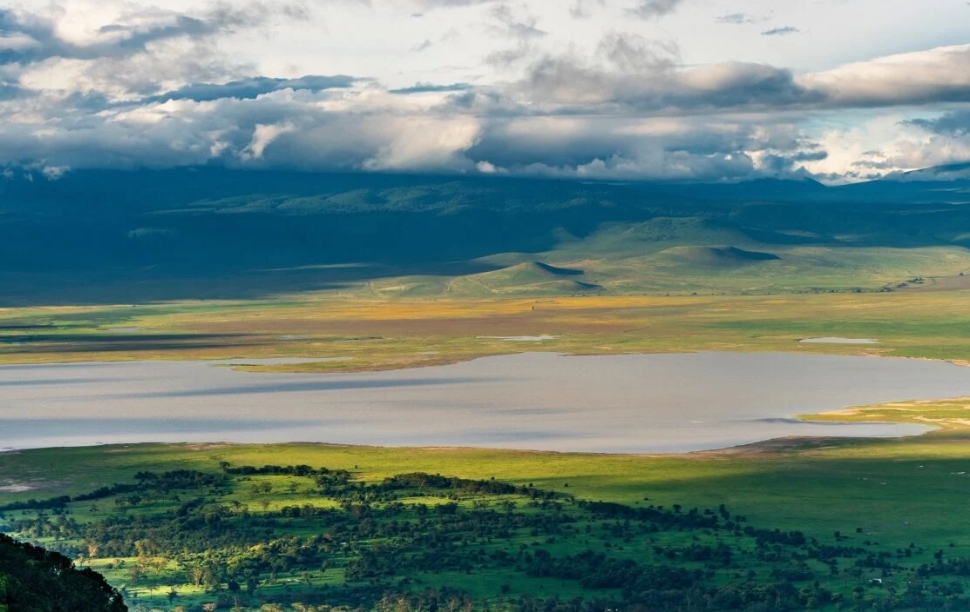
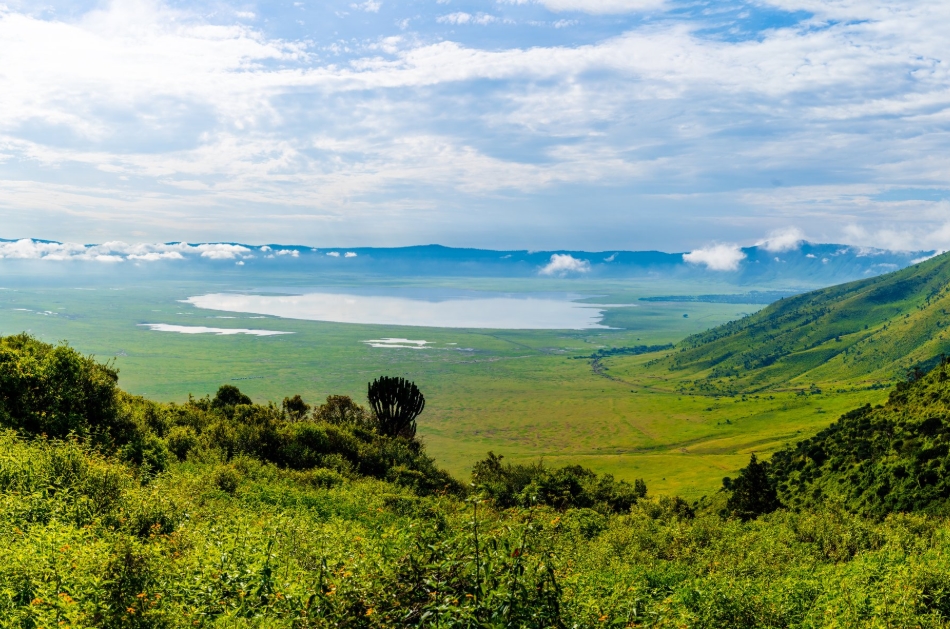
A Guide to the Ngorongoro Conservation Area: The Ngorongoro Conservation Area is a prominent safari destination situated in the northern part of Tanzania. It was named after the famous Ngorongoro Crater, the world’s largest caldera, which attracts thousands of travellers to explore its uniqueness. The name Ngorongoro comes from the Maasai people, the original inhabitants of the area, and means “The Gift of Life”. The conservation area was established in 1959 as a multiple land area with wildlife coexisting with semi-nomadic Maasai pastoralists practicing traditional livestock grazing.
It spans an area of approximately 8,294 square kilometres, and it has a mix of ecosystems including wetlands, savannah grasslands, montane, tropical rainforests, woodlands, highlands, and lakes, which provide habitats to various wildlife and bird species. Ngorongoro Conservation Area is not only home to the famous Ngorongoro Crater, but it also hosts up to 250,000 animals, including the highest population of lions, rhinos, elephants, leopards, buffaloes, hyenas, golden cats, hippos, zebras, gazelles and more.
It also hosts up to 550 bird species, such as forest birds, water birds, savannah birds, water birds and migratory bird species. The southern part of Ngorongoro Conservation Area also experiences the annual great migration of wildebeest, zebras, gazelles and more into the northern plains. If you are seeking tranquillity, adventure, and uniqueness, Ngorongoro Conservation Area must be added to your bucket list, as it promises exceptional safari activities to all travellers.
Where to Find the Ngorongoro Conservation Area.
Ngorongoro Conservation Area is located in Arusha in the northern region of Tanzania within the Great Rift Valley. It borders Serengeti National Park to the southeast. It is approximately 120 kilometres from Arusha by road and 230 kilometres from Kilimanjaro International Airport.
Where to stay.
Ngorongoro Conservation Area offers several eco-friendly accommodation options for travellers, which cater to all travellers’ budgets, from luxury accommodations to standard accommodations; all provide unique and memorable stays. If you are looking for luxury stays, consider Lemala Ngorongoro Lodge, Neptune Ngorongoro Lodge, Ngorongoro Serna Safari Lodge, and Ngorongoro Crater Lodge; for mid-range accommodations, consider Hhando Coffee Lodge, Ngorongoro Wildcamp, and Ngorongoro Sopa Lodge, and those looking for budget-friendly accommodations should consider Rhino Lodge, Ngorongoro Wildlife Lodge, and Marera Valley Lodge.
Things to do in Ngorongoro Conservation Area.
Game Drives- A Guide to the Ngorongoro Conservation Area.
Game drives in the Ngorongoro Conservation Area are one of the most rewarding activities that allow nature lovers to explore the park’s rich biodiversity. These are guided activities led by an experienced guide who provides information about the park’s inhabitants encountered. The park offers two sessions: the morning game drives and the afternoon game drives, all of which provide excellent opportunities to encounter the African Big Five mammals. Game drives are done in 4×4 pop-up vehicles. Ngorongoro has different areas suitable for game drives, such as the Ngorongoro Crater, which is the major attraction, the Ndutu plains, and Lake Magadi, which has the highest population of flamingos. Visitors will have a chance to see hundreds of large mammals such as leopards, lions, buffaloes, rhinos, elephants, elands, cheetahs, giraffes, golden cats, golden jackals, hyenas and more. Bird lovers will be delighted by the hundreds that call this place home, like Rufous-tailed Weaver, Golden-winged Sunbird, Tacazze Sunbird, Schalow’s Turaco, and White-eyed Slaty Flycatcher.
Bird Watching.
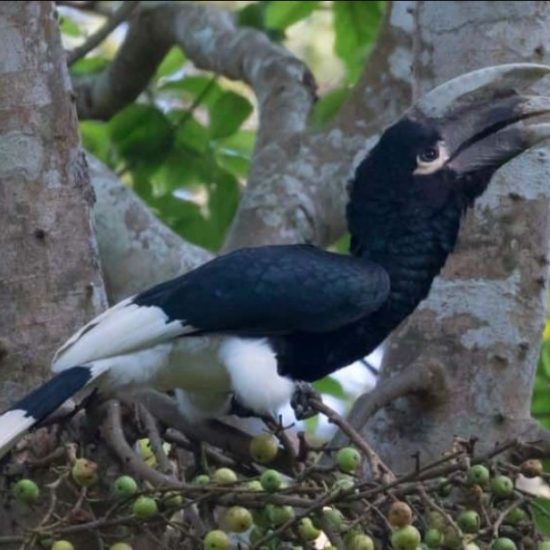
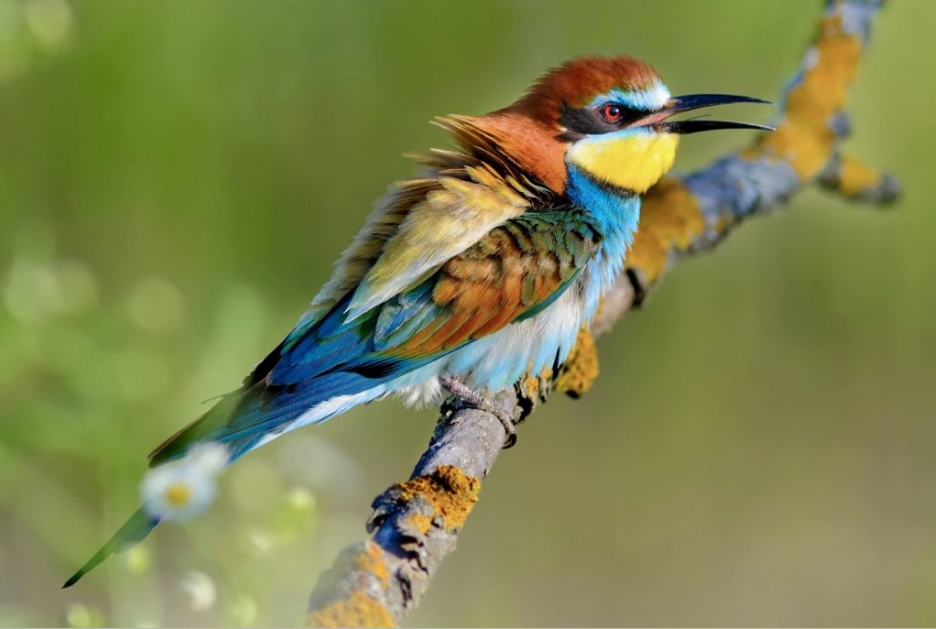
Bird enthusiasts and ornithologists will find the park a paradise for bird watching. It hosts over 550 bird species, including forest birds, water birds, migratory birds, savannah birds and raptors. It’s a guided activity led by an experienced park guide who identifies bird species and provides more insights about their behaviours. Some of the bird species to encounter include Lesser Flamingo, Greater Flamingo, Gray Crowned Crane, African Spoonbill, Saddle-billed Stork, Sacred Ibis, Egyptian Goose, Red-billed Teal, Common Ostrich, Kori Bustard, Secretarybird, Superb Starling, Hildebrandt’s Starling, Southern Ground Hornbill, Capped Wheatear, Rufous-tailed Weaver, Golden-winged Sunbird, Tacazze Sunbird, Schalow’s Turaco, White-eyed Slaty Flycatcher, Cinnamon-chested Bee-eater, Jackson’s Widowbird, Augur Buzzard, Martial Eagle, Lappet-faced Vulture, Rüppell’s Vulture, White-backed Vulture, Bateleur Eagle, Black Kite, Verreaux’s Eagle-Ow and more.
Guided nature Walks- A Guide to the Ngorongoro Conservation Area.
Guided nature walks in Ngorongoro Conservation Area allow travellers to explore its stunning views and rich avian life on foot. These are guided activities led by an experienced park guide who ensures participants’ safety and provides information about the park’s habitats encountered. There are various trails which are specific to nature walks, and they allow travellers to explore the breathtaking views of the area. They will have a chance to see various animals like blue monkeys, waterbucks, zebras, bush bucks, olive baboons and more. Birds will include the Golden-winged Sunbird, Tacazze Sunbird, Schalow’s Turaco, White-eyed Slaty Flycatcher, Cinnamon-chested Bee-eater, and Jackson’s Widowbird.
Maasai Cultural Experience.
A Maasai cultural visit is one of the most memorable experiences in the Ngorongoro Conservation Area. Visitors have the opportunity to visit a traditional Maasai boma and learn about the community’s distinctive culture and traditional way of life. During the visit, travelers can experience traditional Maasai dances and songs, see traditional homes known as enkaji, meet community members, and learn about livestock keeping, traditional customs, clothing, beadwork and daily life. Visitors may also have the opportunity to purchase handcrafted Maasai jewellery and beadwork, supporting local artisans and community livelihoods. The experience provides a meaningful opportunity to understand how the Maasai have maintained their cultural traditions while living within a conservation area shared with abundant wildlife.
The Best time to visit the Ngorongoro Conservation Area.
Ngorongoro Conservation Area can be visited throughout the year, and the best time preferred by most travellers is during the dry season, which runs from June to September and December to February. During this season, the park receives little to no rainfall, the vegetation cover is short, and the tracks are dry, making it easy to penetrate in search of wildlife species. However, visitors can visit the park during the wet season, which runs from October to November and March to May. The park receives abundant rainfall; the tracks are muddy and slippery, making it challenging to penetrate the park.