Best Time to Visit Ngorongoro Conservation Area.
Ngorongoro Conservation Area is one of the most visited destinations in Tanzania, celebrated for hosting the Ngorongoro Crater, which is the world’s largest caldera and one of the seven wonders of Africa. It’s located in the northern part of Tanzania, about a 4-hour drive from Arusha. It was formed in 1959 as a multi-use area where wildlife coexisted with the Maasai people, who are nomadic pastoralists. Travellers planning their safaris always ask about the best time to visit the Ngorongoro Conservation Area, and this blog will discuss the appropriate time for a safari. Ngorongoro Conservation Area experiences two seasons: the dry season and the wet season, and visitors can visit depending on their travel plans and what they are interested in doing.
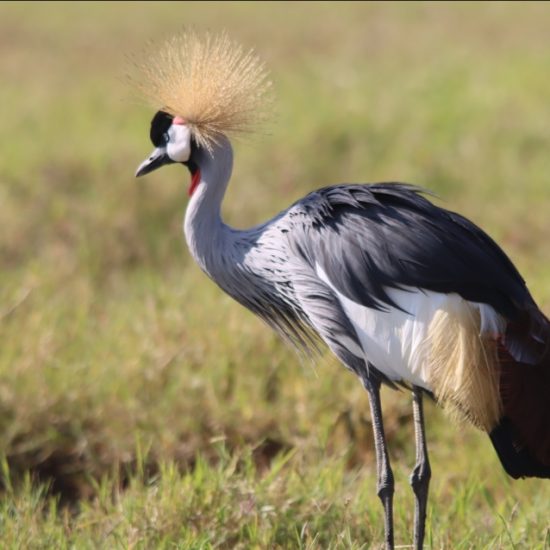
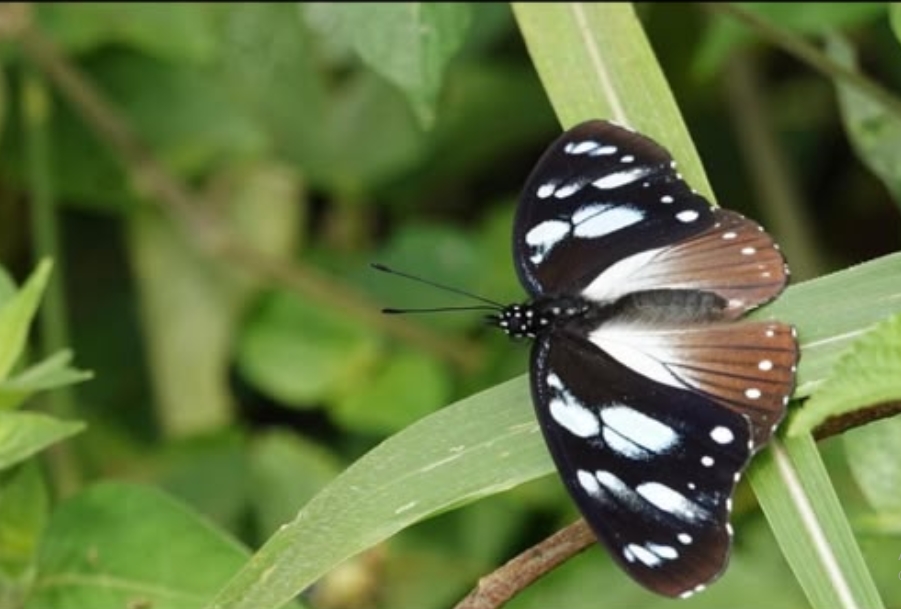
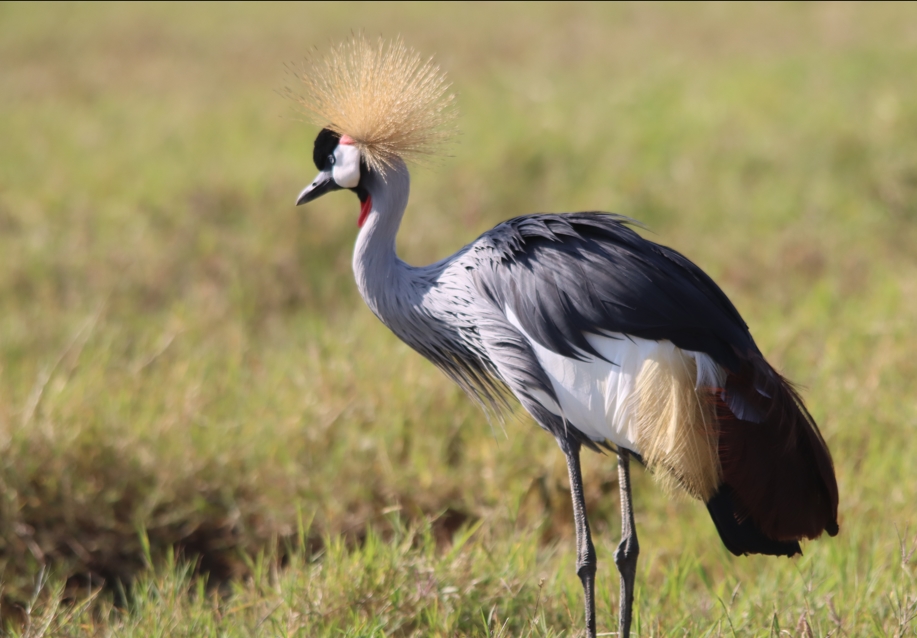
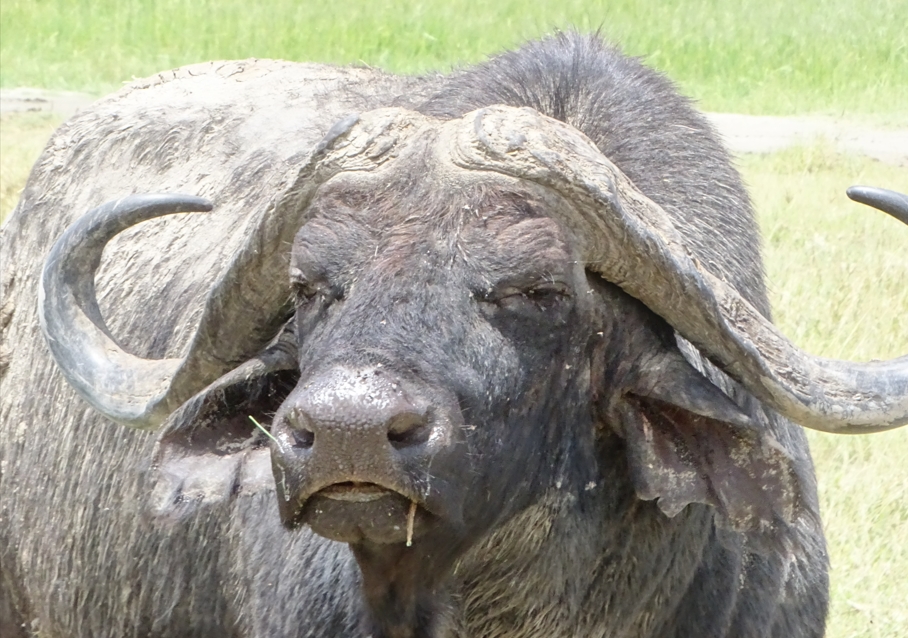
Ngorongoro Conservation Area is not only home to the famous Ngorongoro Crater, but it also has a rich biodiversity. It hosts more than 550 bird species, such as water birds, savannah birds, forest birds, migratory birds and endemic species which are rare to find anywhere else. It also hosts over 25,000 large animals, including the African Big Five animals: lions, Leopards, Buffaloes, elephants, and rhinos, making it the best place in Tanzania for a complete Big Five safari. It provides various activities for travellers, including bird watching, game drives, cultural encounters, nature walks, butterfly watching, walking safaris and more. If you are a nature lover looking for an unmatched safari experience, the Ngorongoro Conservation Area shouldn’t be missing from your bucket list.
Best Time to Visit the Ngorongoro Conservation Area.
Wet Season.
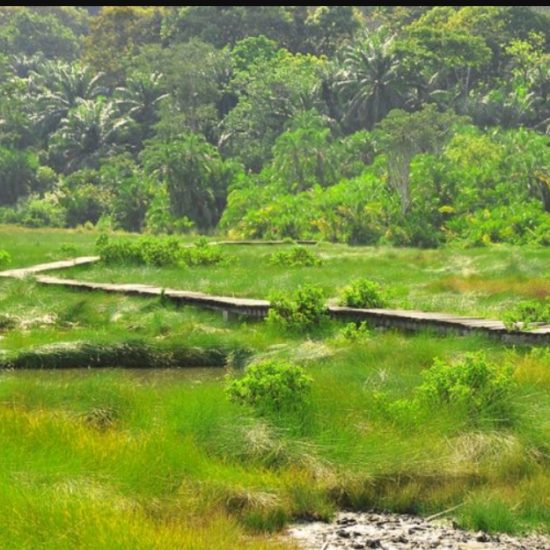
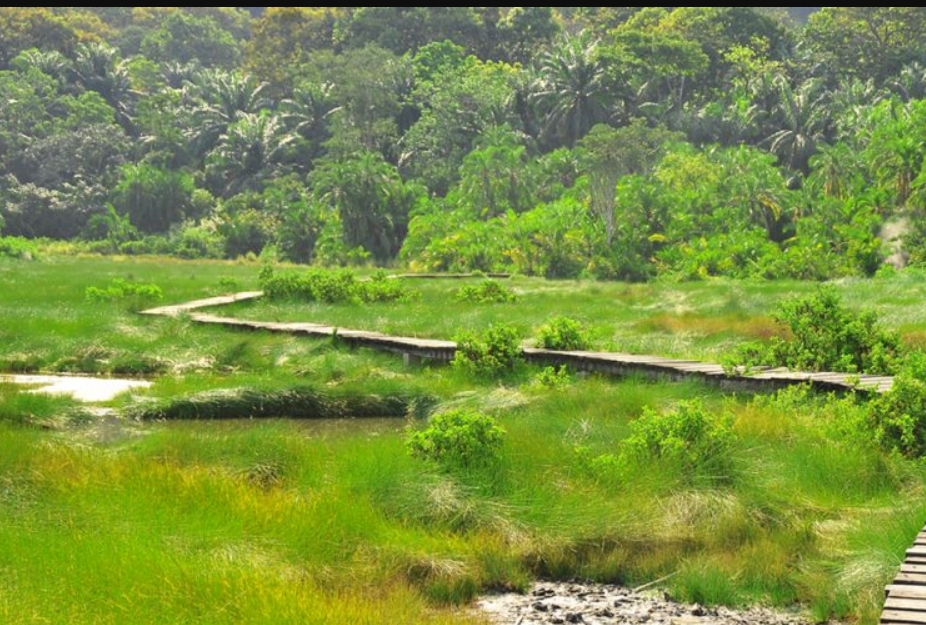
The wet season runs from October to November and March to May; it is commonly known as the low season. During this season, Ngorongoro receives few visitors and is less crowded, with fewer vehicles. The area receives sufficient rainfall; the trails are muddy and slippery, making it challenging to navigate them. The vegetation cover is tall and dense, which prevents visitors from clearly viewing bird species and animals from a distance and taking clear photos. However, this season favours travellers looking for budget friendly packages to the park, as most travel agencies and lodges give discounts during this period and those who don’t want crowds. This is the most preferred season by bird lovers since there is always enough food, which attracts various bird species and prevents them from moving deep into the forests in search of food. Spotting birds in this season is easy; it’s the time of the year when most bird species breed. The migratory birds come to the park in this season, running away from the harsh weather conditions in Asia and Europe and in search of food. The wet season in Ngorongoro Crater provides exceptional safari experiences for those longing to immerse themselves in nature.
Dry Season.
The dry season is the best time to visit Ngorongoro Conservation Area for many travellers, and it’s from December to February and June to September. This is known as the peak season, and it’s characterised by little to no rainfall; the tracks are less muddy and slippery, making it easy to traverse them. The vegetation cover is short and scattered, which creates clear viewing of birds and animals and makes it easy to take clear photos. This is the best period of the year to see wildlife such as lions, elephants, buffaloes, zebras, hippos, impalas, zebras, leopards, rhinos, gazelles. This is when travellers enjoy various activities including game drives, nature walks, walking safaris and cultural encounters.