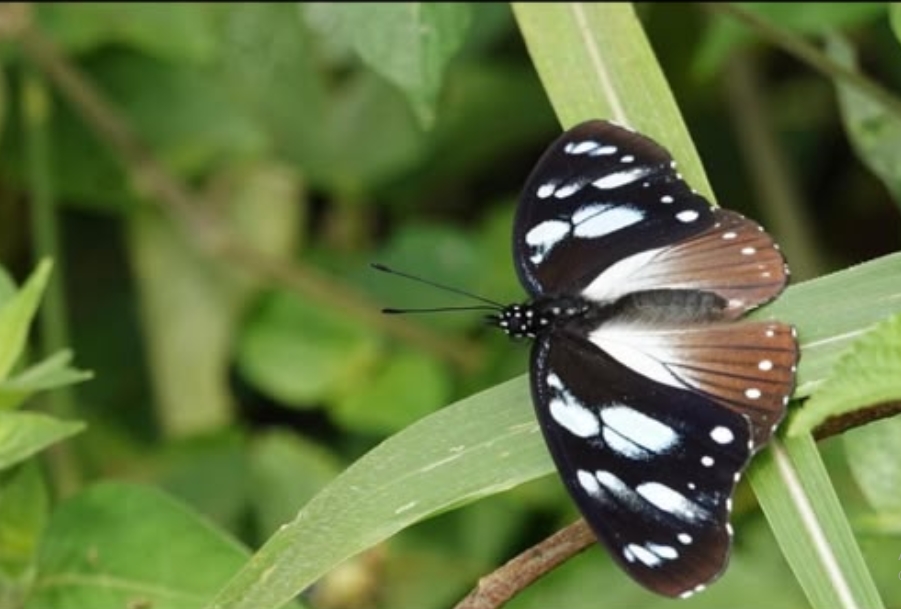
Is Semuliki National Park Worth Visiting for Butterflies
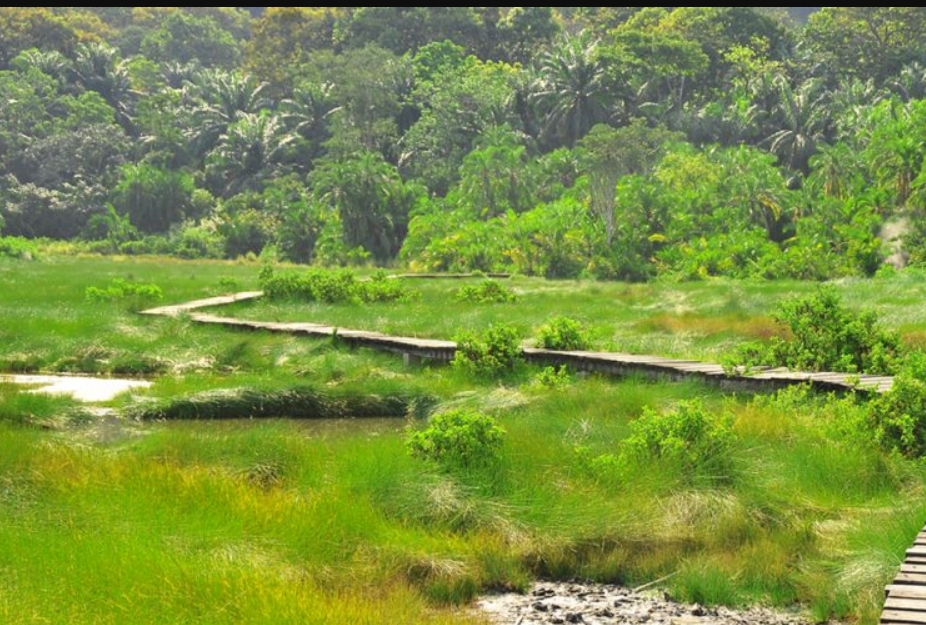
Is Semuliki National Park Worth Visiting for Butterflies is the most asked question by travellers planning their safari safaris in Uganda.Tourists planning for a butterfly watching safari in Uganda should not miss out on Semuliki National Park, as one of the leading and exciting destinations to explore butterflies. The park is a remarkable destination that is greatly recognised for its lowland tropical rainforest, primate species, birds and the magical hot springs, among others. The park’s diverse butterflies is one of the reasons why Semuliki draws nature enthusiasts, exceptional birding and wildlife tours. This lowland tropical rainforest park is located in the Albertine Rift with a rich ecosystem related to the Congo Basin support a diverse range of forest-dependent species.
Butterfly watching experience in Semuliki National Park differs from the mere search for colourful insects on a road side. The parks’s rich natural habitats that compose of the lowland tropical rainforest, forest edges, open surroundings, wetlands all offer habitats where butterflies can thrive.
Butterfly watching is a guided activity that is done during guided forest walks, where visitors may come across these butterflies flying or resting on leaves or flying through traces of sunlight filtering through the forest canopy. During butterfly watching, visitors have a chance to explore essentially complete natural surroundings. Additionally, the park also is home to a blend of Central African particularly the Albertine Rift endemic species which contributes to its popularity.
Travellers who plan to have a Ugandan safari with their interest in insects, such as butterflies, wildlife photography, and forest ecology, Semuliki National Park will not disappoint you, hence worthy for accommodative for butterflies. With the assistance of a local experienced guide with knowledge about the ecology and botany, visitors can have an exciting and memorable experience as part of the country’s natural heritage.
Butterfly Species in Semuliki National Park
Is Semuliki National Park Worth Visiting for Butterflies: Butterfly Species to See include Cymothoe Cyclades, widespread forester, variable diadem, polyptychus carteri, blue monarch, andriasa contraria, Charaxes fulvescens, biston abruptaria, savanna pathfinder, angular glider, charaxes pollux, bicyclus, euphaedra alacris, euphaedra hollandi, aletis helcita, catuna crithea, bicyclus alboplagus, cymothoe Cyclades, forest glade nymph, soldier commodore, euphaedra rattrayi, little pansy, common glassy Acraea,
Euphaedra eberti, pikachu moth, Common mother of pearl, blue diadem butterfly, peneleos Acraea, dark yellow forest sylph, simple orange forester, African leaf butterfly, common palm forester, zebra pyrale, nemetes sailer, coffee berry moth, cymothoe confusa, rhipidarctia crameri, small black bush brown, marcipalina umbrosa, choroclanis virescens, tailed bush brown, belenois solilucis, neuroxena ansorgei.
Hill bush brown, fulvous hawk, mung bean moth, common glider, lycoa Acraea, Mulberry hawkmoth, violet banded palla, bicyclus mollitia, amata marina, cadarena pudoraria, square winged red charaxes, haritalodes polycymalis, veined swordtail, euphaedra edwardsii, euriphene saphirina, gregori’s brown pansy, common blue banded forester, rhodope dotted border, boisduval’s tree nymph, and others.
Other Attractions See in Semuliki National Park
Hot springs
It is impossible to discuss Semuliki National Park without mentioning the hot springs. Two hot springs are located within Semuliki National Park. Although there are two names for these hot springs, the female is the most well-liked. This is due to the excessively hot water at the female hot spring and the incredible subsurface water flow. A geyser on the female hot spring shoots hot water up to three metres into the air.
For security concerns, armed ranger guides always accompany tourists who wish to visit Semuliki National Park’s hot springs. The armed ranger guides will provide you with information about the hot springs and the opinions of the park’s locals when you are at any of hot spring sites. Since these hot springs have too much water, tourists who have time can boil and cook eggs from there.
Mammals
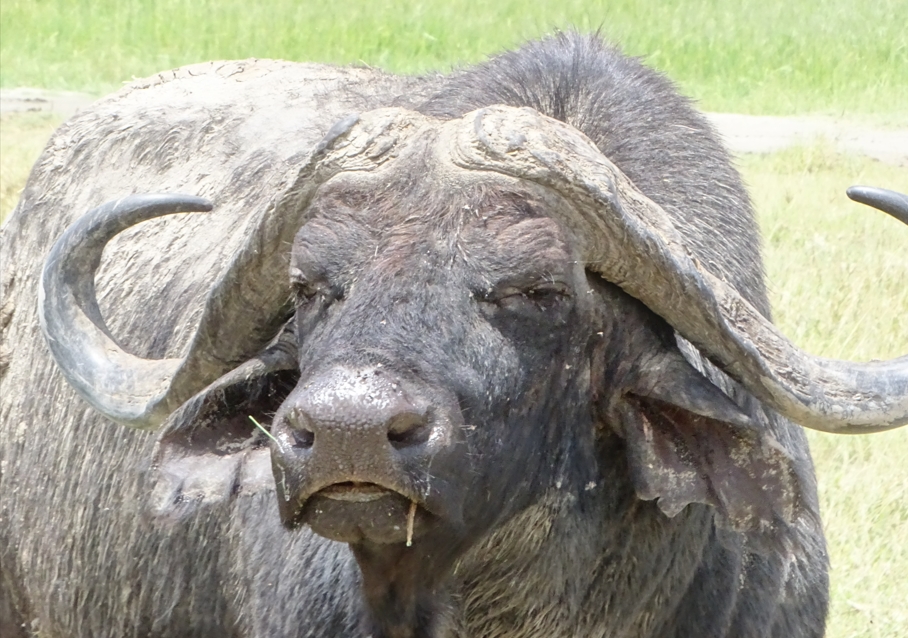
Semuliki National Park has 53 recorded mammal species that attract tourists. Visitors can observe these animals through nature walks instead of game drives, using various trails. Tourists can see animals like leopards, elephants, buffaloes, warthogs, hippos, Uganda kobs, sitatungas, crocodiles, and side-striped jackals while exploring the park.
Primates
Semuliki national park is home to over 9 primates but the good news is that among which include the rare chimpanzees which are mainly found in the greater Semuliki- Toro Semuliki Reserve. Chimpanzees are among the most loved primates in the world since they share 98% DNA with humans, making them our close cousins. Chimpanzee trekking is not a common activity in Semuliki national park compared to other near by parks such as Kibale National Park to enable tourists to get close encounter with the intelligent apes. Other primates in the park include olive baboons, blue monkeys, black and white colobus monkeys, mangabey, among others.
Birds- Is Semuliki National Park Worth Visiting for Butterflies
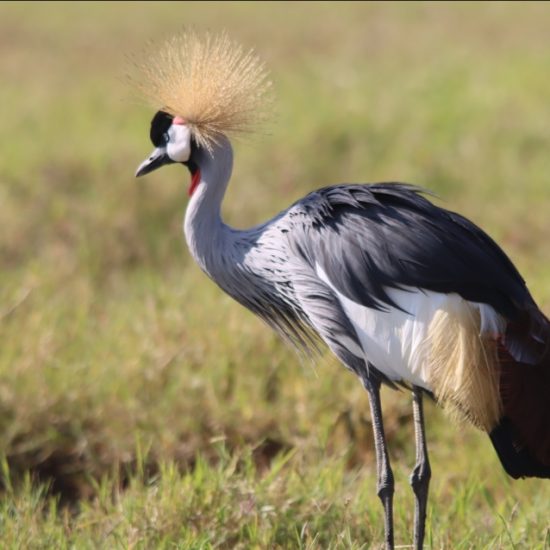
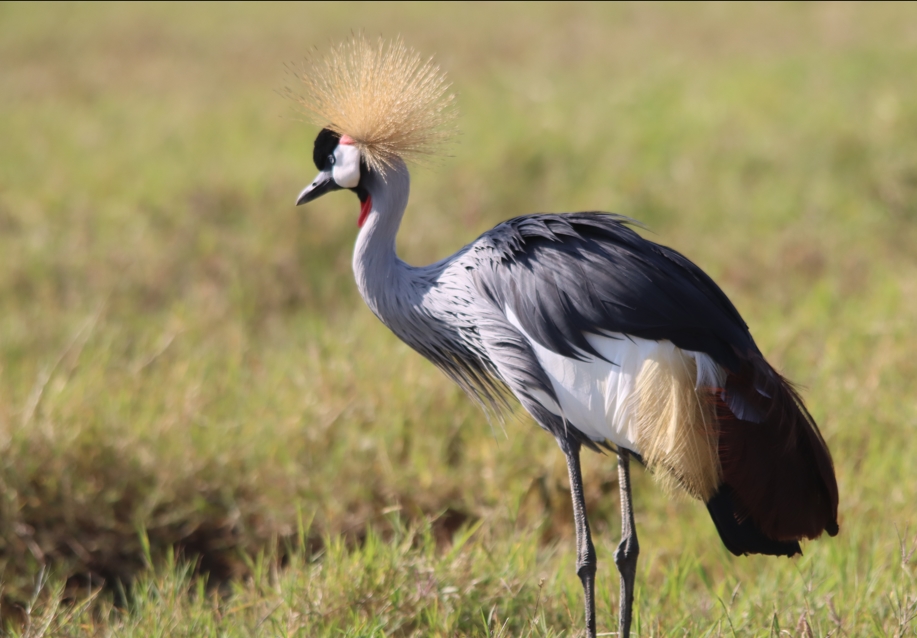
With over 435 birds reside in Semuliki National Park and these are major attractions that draw birdwatchers to the park. Bird watching is one of the most carried out activities in Semuliki national park. Semuliki national park is one of the top areas with birds in western Uganda and bird lovers prefer to carry out the activity within this park. Out of the 435 bird species, 23 are endemic to the Albertine rift and not seen anywhere else in the country.
Birds species to see include of Black-Dwarf hornbill, Lyre-tailed Honeyguide, Red-thighed Sparrow hawk, Xavier greenbul, Shoe bill stork, Black-Dwarf hornbill, White thighed hornbill, Lemon-bellied Crombec, Dwarf honeyguide, Forbe’s plover, Rufous-sided broadbill, Hartlaub’s duck, Ross’s Turaco, Chestnut-breasted Negrofinch, Piping hornbill, Red rumped Tinkerbird, Capuchin babbler, Zenker’s honeyguide, Congo serpent eagle, African piculet, Long-tailed Hawk, Bates nightjar, Blue-headed Crested Flycatcher, Orange Cheeked waxbill, and White-tailed Hornbill.
Other include , Blue-billed malimbe, Yellow-throated nicator, Orange-cheeked Waxbill, Maxwell’s black weaver, Northern bearded scrub robin, Purple-breasted sunbird, Great blue Turaco, Eastern-bearded Greenbuls, Pale-fronted negrofinch, Red-bellied Malimbe, Swamp palm bulbul, Fire-crested Alethe, Long-tailed hawk, Dusky nightjar, Black-throated coucal, Green-tailed bristlebill, Gabon woodpecker, Nkulengu rail, Leaf-love, White-crested hornbill, Black Dwarf Hornbill, Red-billed dwarf hornbill, Red-billed Dwarf hornbill, White-bellied kingfisher, Yellow-throated Nicator, Gabon Woodpecker, Eastern-bearded greenbul, and Great white pelican among others.