A Guide to Birding in Semuliki National Park.
A guide to birding in Semuliki National Park: Semuliki National Park is a true paradise for birdwatchers, offering one of the most distinctive birding experiences in East Africa. It’s located in the western corner of Uganda within the Albertine Rift Valley. It’s celebrated for hosting over 130 Guinea-Congo biome birds, including 36 bird species found nowhere else in the country. It also hosts the highest number of forest birds in the country, up to 60% of forest bird species.
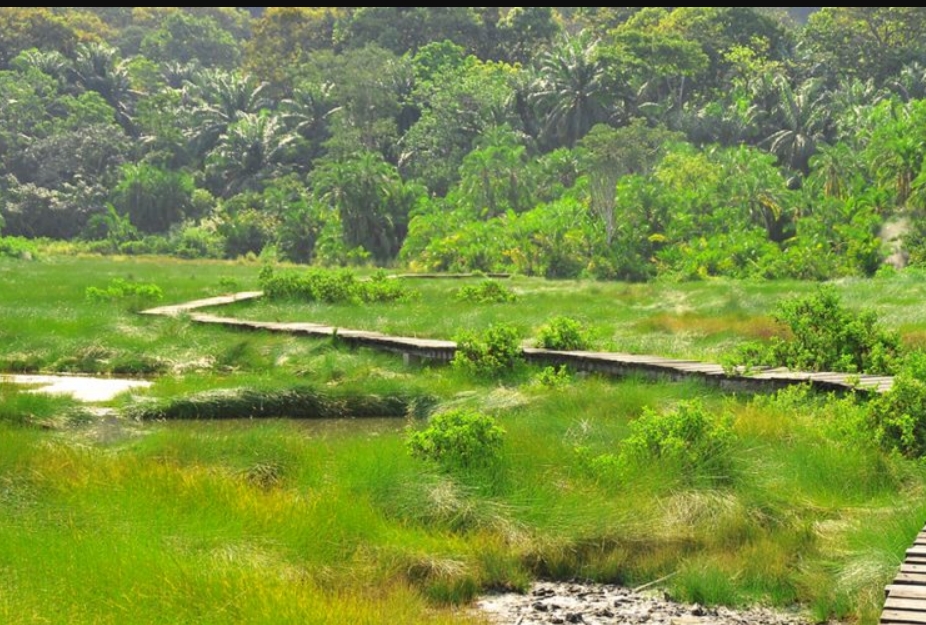
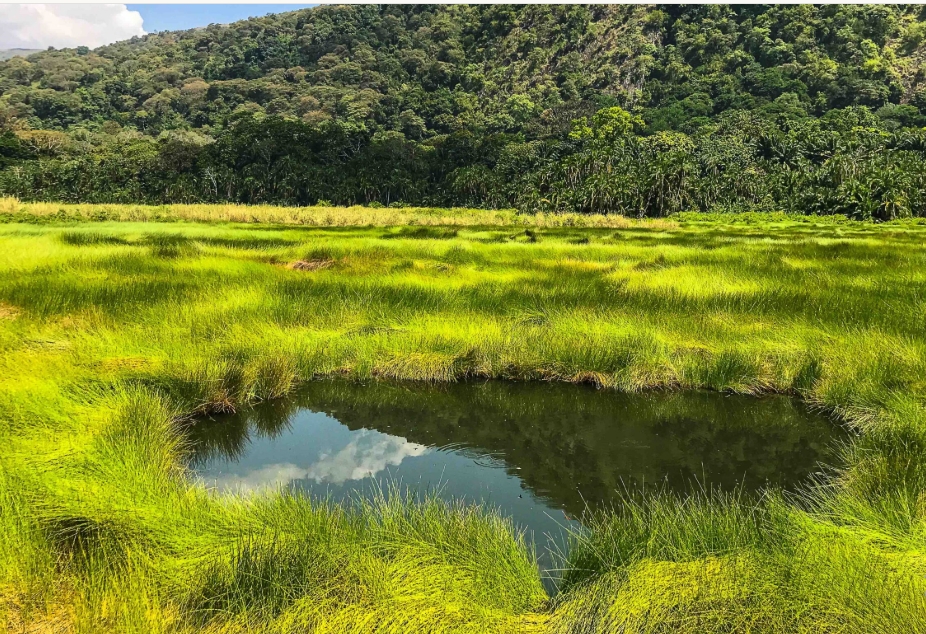
It is blessed with a mix of natural systems like riverine forests, swamps, grasslands, and tropical rainforest, which provide habitats to various bird species. Semuliki National Park is home to over 455 bird species, such as migratory birds, forest birds, water birds, Guinea-Congo biome birds, and Albertine Rift endemics. Birding is a guided activity led by a knowledgeable park birder who identifies various bird species by listening to their sweet melodic songs and calls and provides information about the bird species encountered in the park. There are well-maintained trails which are specifically for birding, like Ntandi trail, Kirumia trail, Sempaya trail, and areas along Semulki River, all of which provide excellent chances of encountering numerous bird species.
Bird Species to Watch in Semuliki National Park.
A Guide to Birding in Semuliki National Park: Ornithologists and bird enthusiasts visiting the park will be delighted by the hundreds of bird species that call this awesome park home. Some of the bird species to encounter include Red-faced Barbet, Cinnamon-chested Bee-eater, Olive Bee-eater, European Bee-eater, African Pygmy Kingfisher, Malachite Kingfisher, Northern Red-fronted Tinkerbird, Double-toothed Barbet, Hairy-breasted Barbet, Spotted Honeyguide, Greater Honeyguide, Brown-backed Honeybird, Elliot’s Woodpecker, Nubian Woodpecker, Red-throated Wryneck, African Piculet, Speckle-breasted Woodpecker, Eurasian Hobby, Tropical Boubou, Dusky Long-tailed Cuckoo, African Cuckoo, Common Cuckoo, Pennant-winged Nightjar, Standard-winged Nightjar, Fiery-necked Nightjar, Plain Nightjar, Freckled Nightjar, Bates’s Nightjar, Gray Kestrel, Lanner Falcon, Peregrine Falcon, Red-headed Lovebird, Gray Parrot, Meyer’s Parrot, Rufous-sided Broadbill, African Pitta, Green-breasted Pitta, Petit’s Cuckooshrike, African Black-headed Oriole, Western Black-headed Oriole, Eurasian Golden Oriole, Rwenzori Batis, Jameson’s Wattle-eye, Chestnut Wattle-eye, Ituri Batis, Black-crowned Tchagra, Long-tailed Nightjar, Square-tailed Nightjar, Mottled Spinetail, Sabine’s Spinetail, Common Swift, Alpine Swift, Scarce Swift, White-rumped Swift, African Palm Swift, Horus Swift, White-spotted Flufftail, Buff-spotted Flufftail, Red- Chested Flufftail, Gray-throated Rail, African Crake, Eurasian Moorhen, African Swamphen, Nkulengu Rail, Black Crake, Nkulengu Rail, African Finfoot, Gray Crowned-Crane, Black-winged Stilt, Common Ringed Plover, Three-banded Plover, Little Ringed Plover, Marsh Sandpiper, Wood Sandpiper, Common Redshank, Curlew Sandpiper, Sanderling, African Sacred Ibis, Glossy Ibis, African Spoonbill, Spot-breasted Ibis, Hadada Ibis, African Spoonbill, Black-crowned Night Heron.
What to Pack for Birding in Semuliki National Park.
A Guide to Birding in Semuliki National Park: Bird lovers planning their birding safaris in Semuliki National Park should pack essential items which will enable them to have a memorable bird watching safari. They should consider packing memory cards, binoculars, tripods, a camera with a telephoto lens for capturing distant birds, extra batteries, a waterproof backpack, and a rain cover to protect their equipment from unexpected rainfall. Don’t forget to carry comfortable waterproof hiking shoes, a rain jacket, insect repellent, sunscreen, a water bottle, a brimmed hat, a birding checklist, lightweight, long-sleeved shirts and trousers, energy snacks, and a power bank for charging devices.
Where to Stay in Semuliki National Park.
Semuliki National Park offers several eco-friendly accommodation options for travellers, which cater to all travellers’ budgets, from luxury accommodations to standard accommodations; all provide unique and memorable stays. If you are looking for luxury stays, consider Semuliki Safari Lodge and Kyaninga Lodge; for mid-range accommodations, consider Ntoroko Game Lodge; and those looking for budget-friendly accommodations, look at UWA Bandas & Cottages and Campsites.
What is the best time to do Birding in the Park.
A Guide to Birding in Semuliki National Park: Birding in Semuliki National Park can be year round and the best time is determined by individuals’ travel plans. It receives two seasons: the dry and the wet season, both of which provide unique opportunities for capturing various bird species. The dry season runs from June to September and from December to February. During this season, there is little to no rainfall, making it easy to access the birding sites, providing a clear view of various bird species and taking good shots. The wet season is the most loved season by birders, which runs from March to May and October to November. This season is characterised by enough rainfall, and the park has sufficient food, which attracts various bird species. This period when migratory birds travel from Europe and Asia in search of good weather conditions and food. It’s the breeding season for various bird species, which provides excellent chances of capturing various bird species without moving deep in the park looking for them.