What makes Bwindi National Park Unique
Bwindi Impenetrable National Park, in southwest Uganda, was gazetted in 1991 with the goal of protecting the critically endangered mountain gorillas in their native habitat. It is one of the most well-liked gorilla trekking locations in Uganda, bringing thousands of tourists to discover what makes Bwindi National Park unique every year from all over the globe. There are over 350 bird species, 10 primate species, 120 animals, the Batwa people and more than half of the world’s mountain gorilla population in Bwindi. Bwindi is renowned for its distinctive features, which include the Batwa people, many tree species, plants, animals, reptiles, birds, and primates, in addition to being home to mountain gorillas.
Mountain Gorillas Make Bwindi National Park Unique
In Bwindi Impenetrable Forest National Park, mountain gorillas are the primary source of Bwindi’s thrilling adventures. Over half of the world’s mountain gorilla population is in Bwindi alone, distributed in the four sectors of the park: Rushaga, Nuringo, Buhoma and Ruhija. The fact that these apes and humans share 98% of the same DNA has drawn many travellers from all over the world to visit them.
There are two habituated gorilla groups in the Rushaga and Nkuringo areas of Bwindi, and 19 completely habituated mountain gorilla families. The most popular activity in Bwindi is gorilla trekking, which is only permitted by the Uganda Wildlife Authority to those who are at least 15 years old and in possession of a valid gorilla trekking permit.
Bird Species In Bwindi National Park
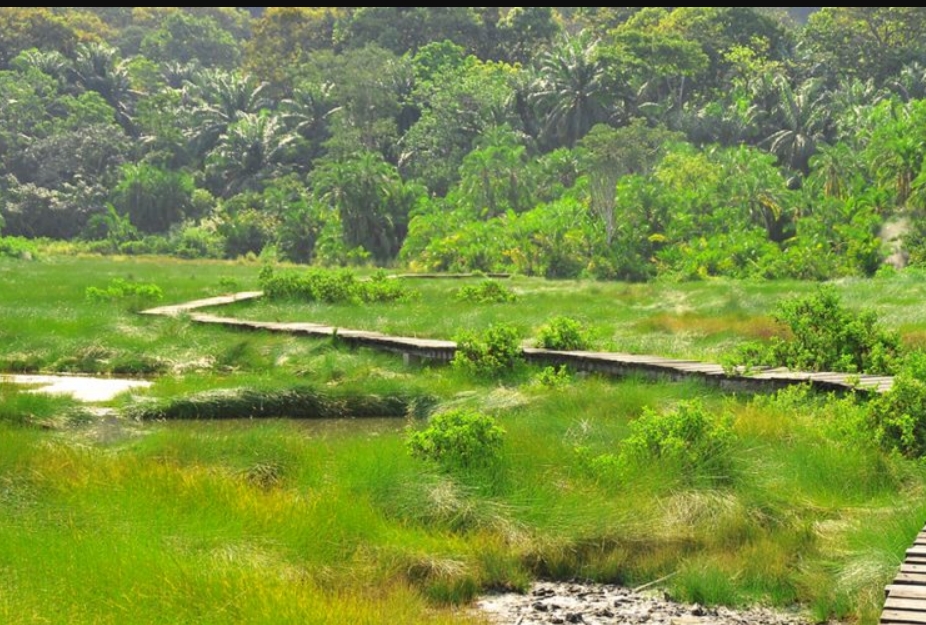
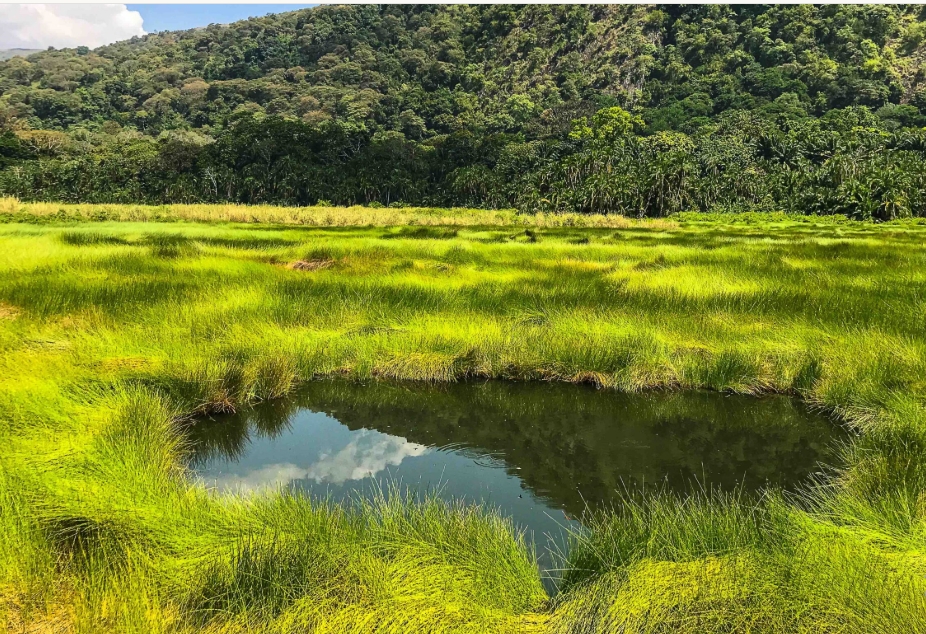
Over 350 different bird species may be found in the park which makes Bwindi National Park unique, with 14 of them exclusive to the forest there and 24 of them being indigenous to the Albertine Rift region. Many visitors to the park have been drawn by the birds, and the majority of them combine their visit with a gorilla walk in the mountains. The well-known paths in the park, like the Buhoma waterfall trail, Mubwindi swamp trail, and Bamboo zone, are used by the Bwindi avian population.
Bird species to see include Archer’s Robin-chat, Yellow-streaked Greenbul, Purple-breasted Sunbird, Tambourine Dove, Cassin’s Flycatcher, Ansorge’s Greenbul, Klaas’s cuckoo, Angolan Swallow, Zebra Waxbill, African Paradise Flycatcher, Snowy-crowned Robin-chat, Cape Wagtail, mountain Wagtail, Dwarf Honeyguide, Yellow-fronted Canary, Dusky Twinspot, African Wood-owl, European Honey Buzzard, Mackinnon’s Shrike, and Grey Wagtail, among others.
Batwa pygmies in Bwindi Impenetrable Forest
The original inhabitants of the Forest are Batwa pygmies, who are also part of Bwindi’s thrilling adventures. To preserve the habitats of the park’s wildlife, particularly the mountain gorillas, the authorities drove them out of the forest. Visitors to Bwindi can explore the newly constructed hike that the Batwa people have made across the park. Guided by Batwa people, you may see how they hunt, gather fruits, and collect honey while touring the forest during your visit to the Batwa community. Additionally, they take you on a tour of the Batwa community, where you may participate in cooking demonstrations, learn how to brew beer locally, and observe daily life.
Mammals in Bwindi
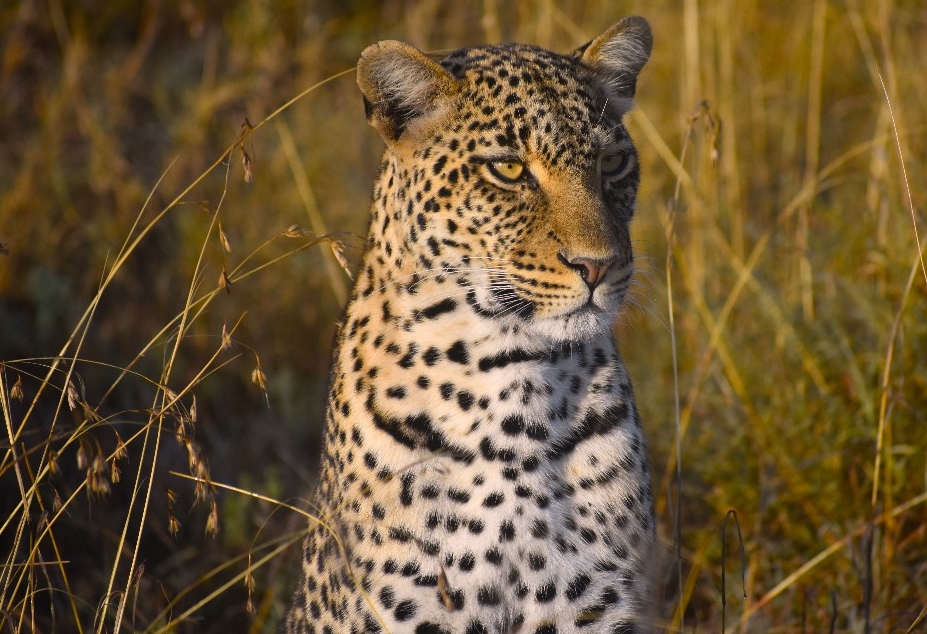
During the nature walk, gorilla trekking, and birding activities, visitors may always spot around 120 different kinds of mammals that call Bwindi home. In the Bwindi Impenetrable Forest National Park, there are no game drives, but you still have to see the mammals there in order to exit. Bwindi is home to a wide variety of species, including gigantic forest hogs, black-fronted duikers, yellow-backed duikers, side-striped jackals, civets, buffaloes, bush pigs, and golden cats.
Primates in Bwindi Impenetrable Forest
Besides mountain gorillas, more than 10 species of primates can be found in the Bwindi Impenetrable Forest National Park. Expect to see primates like the Blue monkeys, Black and white colobus monkeys, Potto, l’hoest’s monkeys, De Brazza monkeys, red-tailed monkeys, Chimpanzees and Olive Baboons may be seen in the park as part of Bwindi’s thrilling adventures
Best time to visit Bwindi
Although Bwindi can be visited all year round, some months are preferable to others. The best time to visit Bwindi is during the dry season, which is marked by little to no rainfall, which keeps the roads into the park passable, dry trekking conditions, and constant, thin foliage that makes it easy to see the park’s wildlife.
Travellers on a tight budget can still take advantage of the significant savings on lodging available during the rainy seasons of March through May and October through November by visiting Bwindi. Visitors should be aware that during the rainy season, there is an abundance of precipitation, which causes the hiking trails to become muddy and risky.
Accommodation in Bwindi Impenetrable Forest Park
Bwindi Impenetrable National Park is one of the top tourist destinations with ample accommodation facilities ranging from High-end, mid-range and affordable facilities. These include Sanctuary Gorilla Forest Camp, Gorilla Mist Camp, Mahogany Springs Lodge, Bwindi Neck View Lodge, Ride 4 women Guest House, Silverback Lodge, Buhoma Rest Camp, Nshongi Camp, Haven Lodge, and Volcanoes Bwindi Lodge, to mention but a few.
Other lodging options include Rushaga Gorilla Lodge, Four Gorillas Lodge, Gorilla Heights Lodge, Ichumbi Gorilla Lodge, Rushaga Gorilla Camp, Bwindi Jungle Lodge, Gorilla Valley Lodge, Lake Mulehe Gorilla Lodge, Nsongi Camp, Rushaga Gorilla Haven Lodge, Rushaga Gorilla Resort, and Wagtail Eco Safari Lodge. Clouds Mountain Gorilla Lodge, Bwindi Backpackers Lodge, Lake Mulehe Gorilla Lodge, Virunga Campsite and many others