Top Activities to do In Queen Elizabeth National Park.
Queen Elizabeth National Park, located in western Uganda, is one of the most beloved savannah parks in the country. Covering over 1,980 square kilometers, it is also the oldest national park in Uganda. The park is situated in the Albertine Rift Valley escarpment, which contributes to its stunning natural features, including breathtaking flora and fauna, as well as crater lakes formed by volcanic activity. Known as the “medley of wonders,” the park boasts a variety of distinctive tourist attractions. With its rich biodiversity, Queen Elizabeth National Park is home to over 95 species of wildlife, including lions, elephants, waterbucks, hippos, Uganda kobs, buffaloes, leopards, crocodiles, and black and white colobus monkeys. For bird lovers, the park is a paradise, featuring over 600 bird species, many of which are endemic to the region. Notable species include the grey crowned crane, saddle-billed stork, yellow-billed stork, and fish eagle. The park is particularly famous for its mesmerizing tree-climbing lions, which can be found in the Ishasha sector. These lions are notable for their unique behavior of climbing fig trees, a rarity among lion populations. If you are seeking an unforgettable adventure surrounded by nature’s wonders, Queen Elizabeth National Park is the perfect destination. Here are some of the top activities in Queen Elizabeth National Park that you can enjoy boat cruise on the Kazinga Channel, embark on a game drive in search of big cats, take nature walks, and indulge in bird watching.
Activities to do In Queen Elizabeth National Park.
Kazinga Channel Launch Cruise.
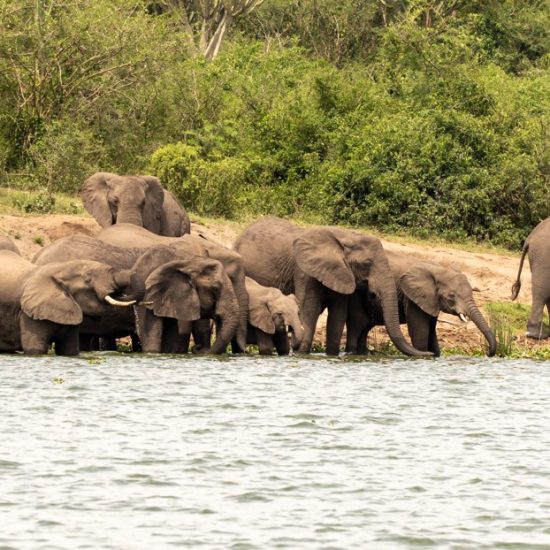
One of the top activities in Queen Elizabeth National Park is a boat trip along the Kazinga Channel. This single waterway connects Lake Edward and Lake George, providing visitors with an opportunity to observe various aquatic bird species and wildlife while relaxing and enjoying the sounds and beauty of the park. Along the channel, you can see schools of hippos swimming, crocodiles basking in the sun, and elephants and buffaloes drinking water, as the channel serves as a vital source of hydration and bathing for many animals. Birdwatchers will particularly enjoy spotting aquatic birds such as flamingos, kingfishers, egrets, and pied kingfishers as they attempt to catch their meals.
Game Drive.
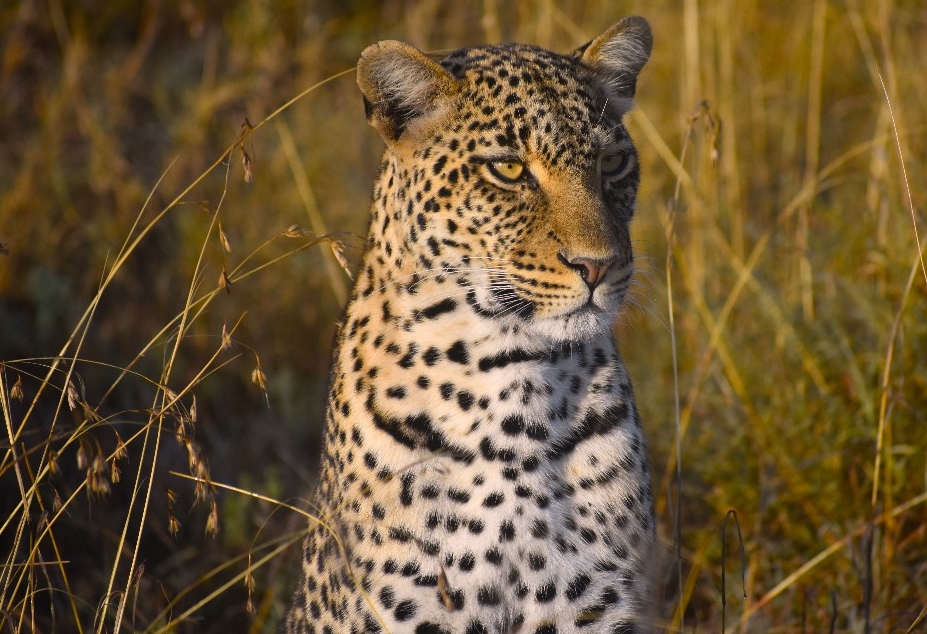
The main activity at Queen Elizabeth National Park is going on game drives, which allow you to explore its rich biodiversity. The park is home to four members of the African Big Five: lions, leopards, elephants, and buffalo. During game drives, you can spot over 95 species of mammals, including hyenas, Uganda kobs, black and white colobus monkeys, and waterbucks. You may also encounter the elusive tree-climbing lions, among other wildlife. Additionally, the park is a haven for birdwatchers, featuring species such as the grey crowned crane, saddle-billed stork, yellow-billed stork, and fish eagle.
The park has different sectors for guided game drives, including the Mweya Peninsula, Kasenyi Plains, and Ishasha sector, known for its famous tree-climbing lions. Whether you choose a night or morning game drive, the experience is sure to be rewarding.
Bird watching Queen Elizabeth National Park
Bird watching is an essential experience in Queen Elizabeth National Park, thanks to the park’s diverse vegetation and unique features, such as its salt and freshwater lakes, including Lake Katwe. Home to over 600 bird species, the park is recognized as the best birding location in East Africa and is classified as an Important Birding Area by Birds International. It hosts both Central African species and migratory birds. An observatory area was established in 1997 for the study of these birds. The park offers exceptional birding opportunities and is a must-visit on any African safari, featuring species such as the Broad-tailed Warbler, Pallid Harrier, Curlew Sandpiper, Gull-billed Tern, Ross’s Turaco, Broad-billed Roller, Double-toothed Barbet, Great Swamp Warbler, Pink-backed Pelican, and Malachite Kingfisher.
Chimpanzee Trekking in Kyambura Gorge.
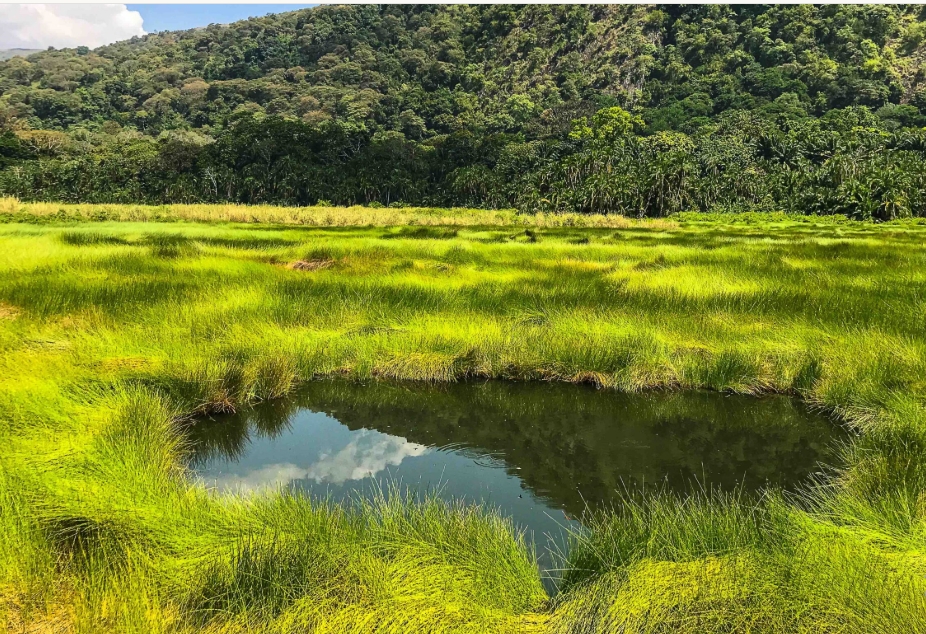
Chimp trekking is one of the best activities to enjoy in Queen Elizabeth National Park, as it offers a unique opportunity to get up close to our closest relatives, the chimpanzees. The forest is home to habituated chimps that are accustomed to human presence, making them accessible to visitors. Trekking in Kyambura involves hiking through a steep landscape in dense jungle, so physical fitness is essential for this adventure. While the trek can be challenging, the experience becomes incredibly rewarding once you locate the chimpanzees. You will have the chance to observe them for one hour as they feed, play in the trees, and engage in affectionate interactions, such as mothers cuddling their young. This captivating experience is both fascinating and unforgettable.
Mongoose tracking in Queen Elizabeth National Park
Queen Elizabeth National Park is the top spot for tracking banded mongooses in East Africa. The banded mongoose is a small mammal found in Africa’s savanna and grassland regions, weighing between 2 to 3 kg and measuring 30 to 45 cm in length. With large heads, long tails, short ears, and strong claws, they are well-adapted for survival in these open habitats. In Queen Elizabeth National Park, visitors can enjoy mongoose trekking, starting from the Mweya Peninsula, which features savanna grassland near water bodies. This activity allows tourists to observe banded mongooses in their natural habitat during guided nature walks led by researchers and armed ranger guides. Search teams use locator devices to find groups of mongooses, creating a unique tracking experience.
Nature Walk.
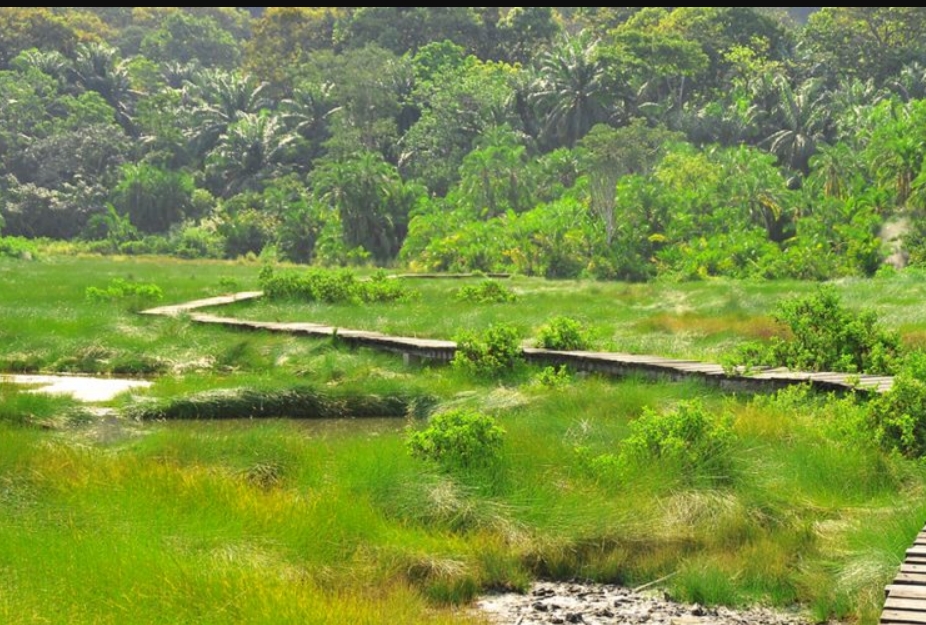
One of the best activities to enjoy in Queen Elizabeth National Park is a guided nature walk. With the assistance of a game ranger, you can explore the park on foot while ensuring your safety from any potential dangers. Several trails are designated for nature walks, including the Kyambura Gorge, Maramagambo Forest, and Mweya Peninsula. During your walk, you’ll have the opportunity to see a variety of tree species, bird species, and reptiles.
Best Time To Visit Queen Elizabeth National Park.
The park is open for visitors year-round; however, the best times to visit are during the dry months from June to September and December to February, when there is little to no rainfall. During this period, the roads are dry, and the vegetation is shorter, allowing visitors to see various wildlife and bird species more easily. The park can also be visited from March to May and October to November, which may be more suitable for budget travelers, as accommodations often offer discounts during these months. However, it’s important to note that these months typically experience rainfall.