Reasons to Visit Volcanoes National Park.
Volcanoes National Park is one of the leading safari destinations in Africa, attracting thousands of travellers to indulge in the park’s rich biodiversity. It’s situated in the northwestern corner of Rwanda, spanning an area of approximately 160 square kilometers. It’s part of the Virunga conservation area, which comprises Mgahinga National Park, Virunga National Park and Volcanoes National Park, with the major aim of protecting the endangered mountain gorillas. If you are planning an African safari and looking for reasons to visit Volcanoes National Park, this blog will outline why it should be on your itinerary.
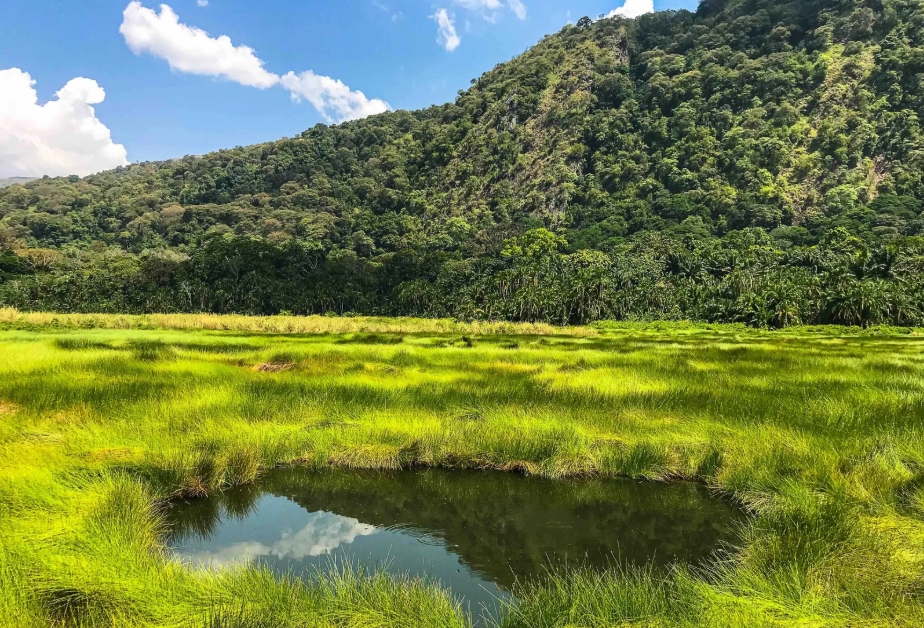
Volcanoes National Park is home to over 237 bird species, including the forest birds, water birds, migratory birds, Albertine Rift endemics and the park’s residents. It also hosts up to 30% of the world’s population of the endangered mountain gorillas, 12 primate species, butterflies, reptiles and amphibians. The park’s rich biodiversity is supported by the presence of various ecosystems, which provide habitats to various wildlife and bird species, like bamboo forests, montane forests, grasslands and wetlands. The park offers various safari activities to travellers, including gorilla trekking, nature walks, golden monkey tracking, bird watching, hiking and cultural encounters. If you are seeking tranquillity and true African adventure, Volcanoes National Park should be added to your bucket list.
Reasons to Visit Volcanoes National Park.
Close Encounters with Mountain Gorillas.
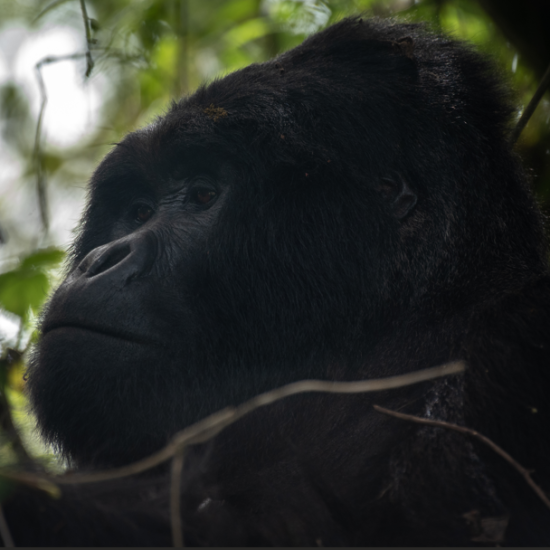
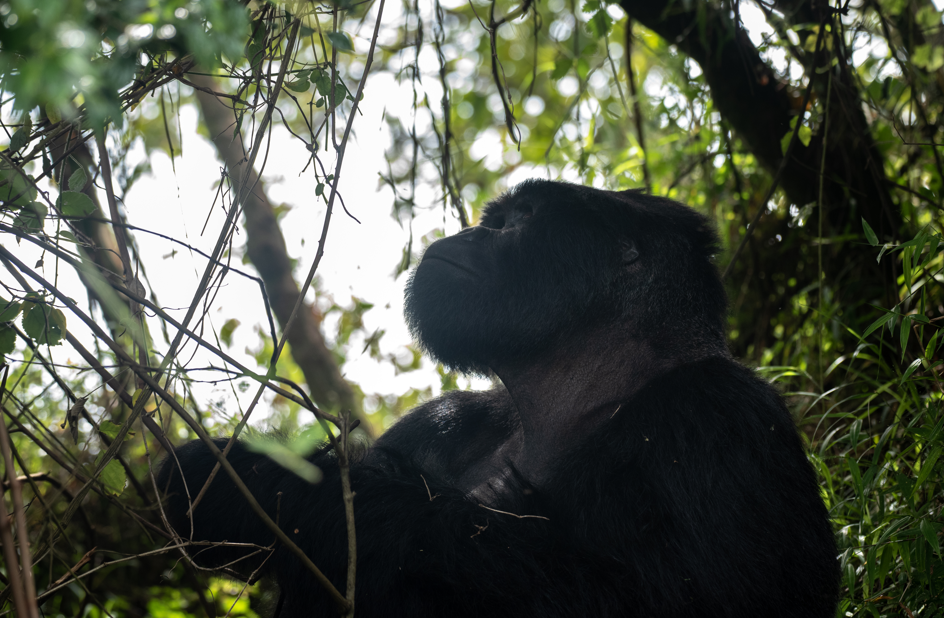
Volcanoes National Park is home to over 30% of the total population of the world’s endangered mountain gorillas, which attracts thousands of nature lovers and primatologists to have a close encounter with these awesome creatures. Gorilla trekking is highly regulated, with a limited number of guests visiting the mountain gorillas per day. Travellers should have a gorilla permit issued by the Rwanda Development Board, which permits visitors to have a close encounter with these magnificent creatures. Gorilla trekking involves hiking through the dense forest in search of the mountain gorillas, and the minimum age for gorilla trekking is 15 years. Gorilla trekking takes between 2 and 7 hours, depending on the location of the gorillas as they keep on moving from one place to another in search of food. Once located, participants spend one hour with them observing their behaviours. They are our closest relatives on earth, sharing 98% of our DNA, observing them feeding, playing, and grooming creates a profound emotional connection that few wildlife experiences can match.
Unique Golden Monkey Experience.
The unique golden monkey experience is one of the reasons to visit Volcanoes National Park, which allows nature lovers to have a face to face with these playful monkeys. Golden monkeys are endemic to the Virunga region, making it one of the few places to see them on earth in their natural habitats. Unlike gorillas, they are energetic and constantly moving, which makes the experience lively and photographic. Golden monkey tracking is a guided experience led by an experienced park guide who gives more insightful information about the park’s inhabitants encountered. They move through the bamboo forests in search of them, and tracking them is very easy. They move in groups of up to 60 individuals, once located, travellers will have enough time observing their playful nature. They will see how they feed, play, and take care of one another, which is a completely different feeling.
Dramatic Volcanic Scenery.
Volcanoes National Park is part of the Virunga Massif, a chain of ancient volcanoes that dominate the skyline. Peaks like Mount Karisimbi (the highest at 4,507M) and Mount Bisoke (famous for its crater lake) offer incredible hiking opportunities. Treks range from one-day hikes to Bisoke’s Crater Lake to multi- day climbs up Karisimbi, where you experience changing vegetation zones from farmland to alpine meadows.
Rich Bird Life.
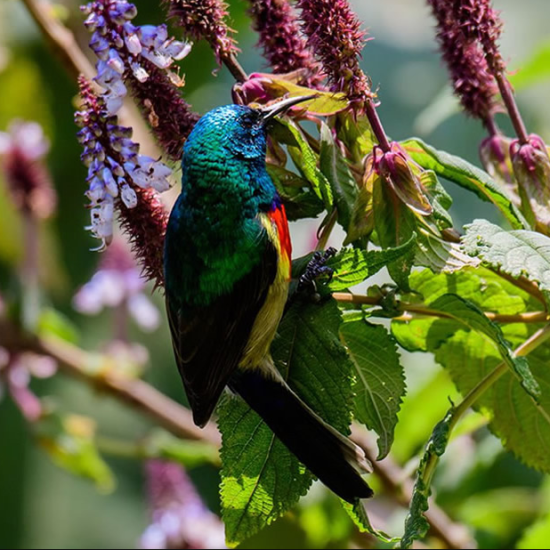
The rich bird life is one of the top reasons for bird enthusiasts to visit Volcanoes National Park. The park is a paradise for bird watching, with over 237 bird species that call this awesome park home, which include up to 18 Albertine Rift endemics, forest birds, water birds, migratory birds and the park’s endemic species, which are rare to find anywhere else. Some of the birds include Black-billed Turaco, Purple Heron, Little Egret, African Sacred Ibis, Hadada Ibis, Great Cormorant, Rufous-breasted Sparrowhawk, Black Sparrowhawk, Black Kite, Little Bee-eater, African Pygmy Kingfisher, Pied Kingfisher, Common Kestrel, African Hobby, Eurasian Hobby, Peregrine Falcon, Dusky Turtle Dove, Mourning Collared Dove, Red-eyed Dove, Ring-necked Dove, Laughing Dove, African Green Pigeon, Tambourine Dove, Scarce Swift, African Palm Swift, Alpine Swift, White-rumped Swift, Little Swift, African Swift, Collared Sunbird, Blue-headed Sunbird, Olive Sunbird, Scarlet-chested Sunbird, Bronzy Sunbird, Malachite Sunbird, Olive-bellied Sunbird, Scarlet-tufted Sunbird, Regal Sunbird, Northern Double-collared Sunbird, Red-chested Sunbird, Variable Sunbird, Copper Sunbird, Yellow Bishop, Fan-tailed Widowbird, Archer’s Ground Robin, Red-faced Woodland Warbler, Collared Apalis.