Is Birding in Semuliki National Park Worth It
Is Birding in Semuliki National Park Worth It? is a frequently asked question by bird lovers or ornithologists planning to include this birding destination on their itinerary. Yes, birding in Semuliki National Park is worth it. It’s one of the best birding destinations in East Africa, famous for hosting various unique species, some of which are rare to find anywhere else in East Africa. It’s situated in the western corner of Uganda at the base of the Rwenzori Mountains, which provides stunning views of the Rwenzori ranges and excellent chances of encountering various bird species.
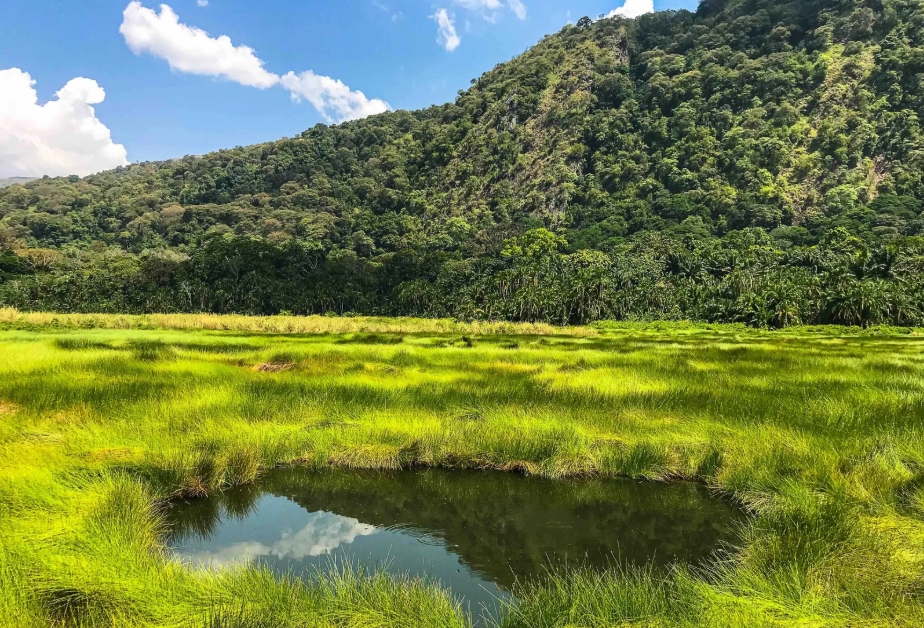
It has a mix of natural systems like tropical rainforests, grasslands, wetlands, and riverine forests, which provide habitats for various avian life. Semuliki is home to up to 455 bird species, including water birds, forest birds, migratory birds, Albertine endemics, Guinea- Congo biome and the park’s residents. The park has various birding trails like Kirumia trail, Ntandi trail, Sepaya trail and areas along Semuliki River, all of which provide excellent opportunities for encountering and photographing various bird species in their natural habitats. This is a guided activity led by an experienced park guide who identifies various birds by their calls and sounds and provides information about their behaviours. Birding in Semuliki National Park caters to all levels of birders, whether you are an experienced birder or simply a beginner.
What makes Birding in Semuliki National Park worth it?
Diverse Bird Species.
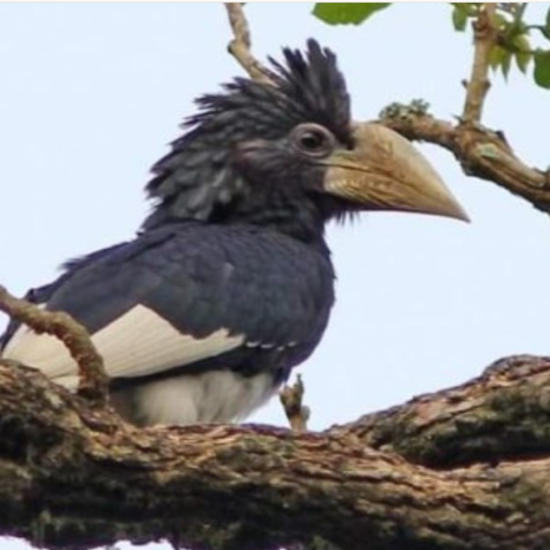
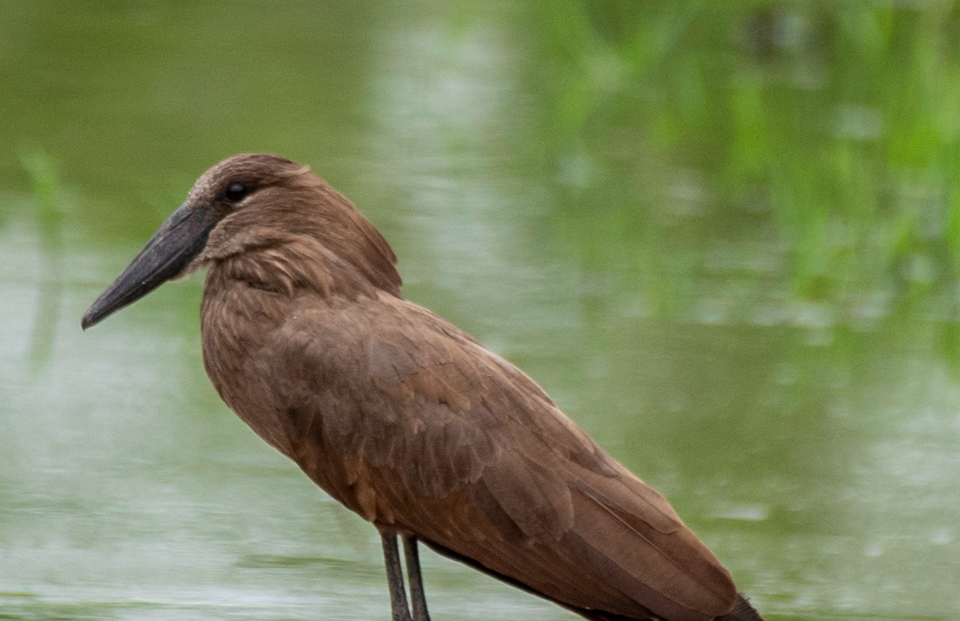
Semuliki National Park is one of the best bird watching destinations in the country, with diverse bird species. Up to 455 bird species are recorded in the park, including migratory birds, waterbirds, Guinea – Congo biome, Albertine endemics and forest birds. Bird lovers can enjoy the unmatched variety in a single destination. Some of the birds to see include , Crowned Hornbill, Blue-breasted Bee-eater, Cinnamon-chested Bee-eater, Olive Bee-eater, European Bee-eater, African Pygmy Kingfisher, Malachite Kingfisher, Blue-breasted Kingfisher, Pied Kingfisher, Chocolate-backed Kingfisher, Blue-throated Roller, Red-faced Barbet, Northern Red-fronted Tinkerbird, Double-toothed Barbet, Hairy-breasted Barbet, Spotted Honeyguide, Lesser Black-backed Gull, Reed Cormorant, African Sacred Ibis, Glossy Ibis, African Spoonbill, Spot-breasted Ibis, Hadada Ibis, African Spoonbill, Black-crowned Night Heron, Little Heron, Rufous-bellied Heron, Western Cattle-Egret, Yellow-billed Egret, Black-headed Heron, Purple Heron, Goliath Heron, Hamerkop, Osprey, Great White Pelican, Great White Pelican, Pink-backed Pelican, Black-winged Kite, African Harrier-Hawk, White-headed Vulture, Bateleur, Hooded Vulture, Rüppell’s Griffon, Lappet-faced Vulture, Forest Scrub-Robin, White-browed Scrub-Robin, Fire-crested Alethe, White-eyed Slaty-Flycatcher, Blue-shouldered Robin-Chat, Red-chested Owlet, African Wood-Ow, Abyssinian Ground-Hornbill, Forest Scimitarbill, Narina Trogon, Blue-naped Mousebird, Orange-cheeked Waxbill, Eastern Long-tailed Hornbill and more.
Expert Park Guides.
The presence of knowledgeable and well-experienced park guides makes Birding in Semuliki National Park Worth it. The park has experienced bird guides who help visitors spot rare species, identify calls, and interpret behaviours, making the experience more insightful and rewarding.
Uganda’s Best Destination for Guinea- Congo Biome Birds.
Semuliki National Park is globally recognised for its outstanding collection of Guinea-Congo biome bird species. It hosts over 130 species, including 46 species which are rare to find anywhere else, making it the highest concentration of Guinea- Congo biome birds in the country.
Exceptional Habitats.
This is one of the factors that make Birding in Semuliki National Park worth it. The park has various ecosystems, including the Riverine tropical forests, swamps, grasslands, and the Semuliki River. This diversity provides habitats for various bird species that call this beautiful park home. Exploring these unique birding habitats provides exceptional bird experiences to bird enthusiasts.