Birding Photography Safaris in Semuliki National Park.
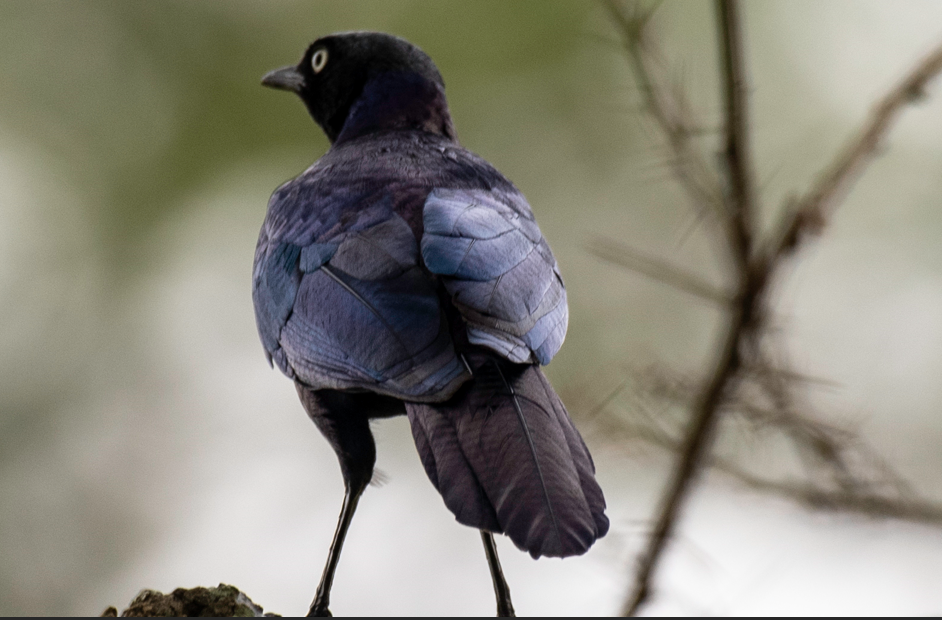
Semuliki National Park is one of Uganda’s most rewarding destinations for birding photography, which offers an extraordinary opportunity to capture some of Africa’s rarest and most colourful forest bird species. It’s situated in the western region of the country within the Albertine Rift Valley, and it forms part of the vast Congo Basin ecosystem. Birding photography safaris in Semuliki National Park offer an unforgettable photography experience to bird enthusiasts and wildlife photographers seeking to capture unique bird species, some of which are rare to find anywhere else in Africa. These guided walks are led by an experienced park birder who identifies birds by listening to their sweet melodic calls and sounds and provides more insights about their behaviours.
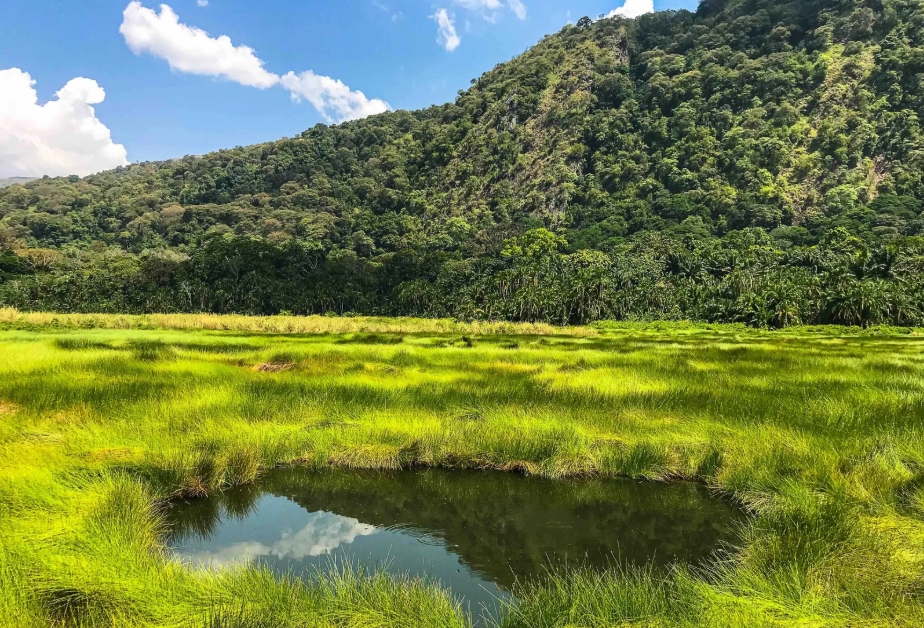
The park hosts up to 455 bird species, including 60% of the population of forest birds found in Uganda, 5 Albertine Rift endemics, water birds, migratory birds and 130 Guinea-Congo biome birds, including 46 which are not found anywhere else in Africa. The park’s rich bird life is supported by the presence of unique ecosystems like tropical forests, wetlands, grasslands, and riverine forests that provide habitats to various unique bird species. There are various trails which are used by birds, such as Sempaya trail, Ntandi trail, Kirumia trail, and areas along Semuliki River. All these trails provide excellent opportunities to capture stunning images of Various unique bird species. The park’s rich avian life makes it one of the best birding sites in East Africa, which shouldn’t be missed by ornithologists and nature photographers.
Birds to Encounter on Birding Photography Safaris in Semuliki National Park.
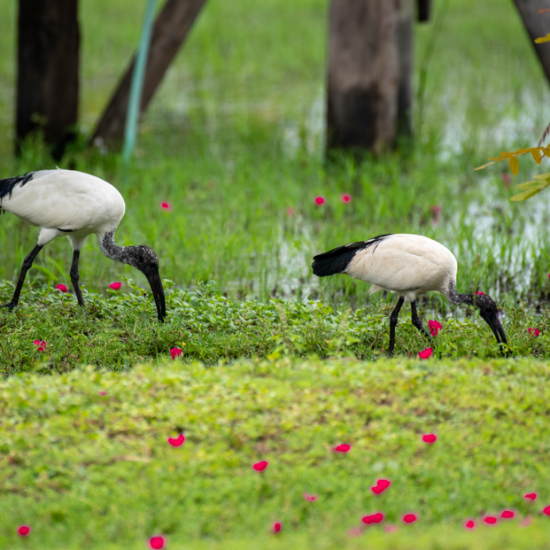
Photographers will find the park a haven for bird watching with up to 455 bird species that call this awesome park home, including Albertine Rift endemics, migratory birds, water birds, Guinea-Congo biome birds, forest birds, and the park’s residents. Some of the birds to encounter on birding photography safaris in Semuliki National Park Osprey, Great White Pelican, Great White Pelican, Pink-backed Pelican, Black-winged Kite, African Harrier-Hawk, White-headed Vulture, Bateleur, Hooded Vulture, Rüppell’s Griffon, Lappet-faced Vulture, Forest Scrub-Robin, White-browed Scrub-Robin, Fire-crested Alethe, White-eyed Slaty-Flycatcher, Blue-shouldered Robin-Chat, Red-chested Owlet, African Wood-Ow, Abyssinian Ground-Hornbill, Forest Scimitarbill, Narina Trogon, Blue-naped Mousebird, Orange-cheeked Waxbill, Eastern Long-tailed Hornbill, Blue-breasted Bee-eater, White-thighed Hornbill, Crowned Hornbill, Blue-breasted Bee-eater, Cinnamon-chested Bee-eater, Olive Bee-eater, European Bee-eater, African Pygmy Kingfisher, Malachite Kingfisher, Blue-breasted Kingfisher, Pied Kingfisher, Chocolate-backed Kingfisher, Blue-throated Roller, Red-faced Barbet, Northern Red-fronted Tinkerbird, Double-toothed Barbet, Hairy-breasted Barbet, Spotted Honeyguide, Greater Honeyguide, Brown-backed Honeybird, Elliot’s Woodpecker, Nubian Woodpecker, Red-throated Wryneck, African Piculet, Speckle-breasted Woodpecker, Eurasian Hobby, Gray Kestrel, Lanner Falcon, Peregrine Falcon, African Swamphen, Nkulengu Rail, Black Crake, Nkulengu Rail, African Finfoot, Gray Crowned-Crane, Black-winged Stilt, Common Ringed Plover, Three-banded Plover, Little Ringed Plover, Long-toed Lapwing, Spur-winged Lapwing, Black-headed Lapwing, Senegal Lapwing, Wattled Lapwing, Greater Painted-Snipe, African Jacana, Common Sandpiper, Green Sandpiper, Marsh Sandpiper, Wood Sandpiper, Common Redshank, Curlew Sandpiper, Sanderling, Lesser Black-backed Gull, Whiskered Tern, White-winged Tern, Little Grebe, African Openbill, Abdim’s Stork, African Woolly-necked Stork, Saddle-billed Stork, Marabou Stork, Yellow-billed Stork, African Darter, Great Cormorant, Reed Cormorant, African Sacred Ibis, Glossy Ibis, African Spoonbill, Spot-breasted Ibis, Hadada Ibis, African Spoonbill, Black-crowned Night Heron, Little Heron, Rufous-bellied Heron, Western Cattle-Egret, Yellow-billed Egret, Black-headed Heron, Purple Heron, Goliath Heron, Hamerkop.
What to Pack on Photography Safaris.
Travellers preparing for their birding photography safaris in Semuliki National Park are advised to pack essential items that will enable them to have a memorable photography safari in the park. They should consider packing memory cards, binoculars, tripods, a camera with a telephoto lens for capturing distant birds, extra batteries, a waterproof backpack, and a rain cover to protect their equipment from unexpected rainfall. Don’t forget to carry comfortable waterproof hiking shoes, a rain jacket, insect repellent, sunscreen, a water bottle, a brimmed hat, a birding checklist, lightweight, long-sleeved shirts and trousers, energy snacks, a power bank for charging devices, and a headlamp.
What is the best time of the Year to do Birding Photography in the Park.
Visitors can do photography safaris in Semuliki National Park at any time of the year, and the best time depends on the individual’s preferences. Just like any other African park, it receives two seasons: the dry and the wet season, both of which provide unique opportunities for capturing various bird species. The dry season runs from June to September and from December to February. During this season, there is little to no rainfall, making it easy to access the birding sites, providing a clear view of various bird species and taking good shots. The wet season is the most loved season by birders, which runs from March to May and October to November. This season is characterised by enough rainfall, and the park has sufficient food, which attracts various bird species. This period when migratory birds travel from Europe and Asia in search of good weather conditions and food. It’s the breeding season for various bird species, which provides excellent chances of capturing various bird species without moving deep in the park looking for them.