Photography Safaris in Kibale Forest National Park.
Photography Safaris in Kibale Forest National Park: Kibale Forest National Park is one of the most rewarding destinations for wildlife and birdlife photography, which offers nature photographers a unique opportunity to capture the beauty of one of Africa’s most diverse tropical rainforests. The park is situated in the western part of Uganda within the Albertine Rift Valley. It is famous for hosting the highest number of endangered chimpanzees, almost half of the world’s population of chimpanzees, making it the best destination for photography safaris for primate lovers. Those primates found in the park include Red-tailed monkeys, Grey-cheeked mangabeys, Vervet monkeys, olive baboons, black and white colobus monkeys, vervet monkeys, and more. The park is also home to over 370 bird species, including Albertine Rift endemics, water birds, forest birds, migratory birds, and the park’s endemic species, which are rare to be found anywhere. More than 300 butterfly species and 70 mammal species are found in this park, making it the best safari destination for photographers planning their photography safaris in Kibale National Park, Uganda. The park’s rich biodiversity is supported by the presence of a mix of ecosystems including tropical rainforests, swamps, grasslands and woodlands, which provide habitats to various birds and wildlife species.
Photography Safaris in Kibale Forest National Park.
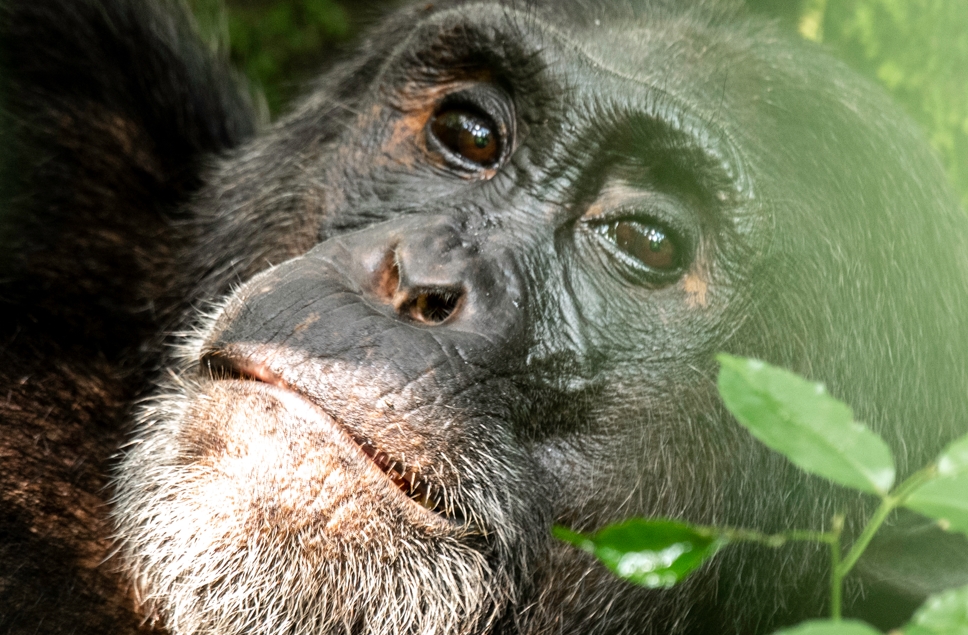
Chimpanzee Photography.
Chimpanzee photography in Kibale Forest is one of the most rewarding activities to do in the park, giving photographers a chance to capture stunning images of the endangered chimpanzees in their natural habitats. Photographers have to obtain a chimpanzee tracking permit, which is purchased from the Uganda Wildlife Authority. This is an official document that permits travellers to have a close encounter with chimps. Chimpanzee trekking starts with a briefing at the park’s head office about the rules and regulations of the activity. Later, participants are divided into groups of 8, and each group is assigned to a game ranger who leads them in search of chimps. This involves moving through the dense forest in search of chimps, and once located, participants are given one hour to observe their behaviours in their natural habitats. Photographers utilise this hour to capture as many images of chimpanzees as possible in different styles. They will see chimpanzees feeding, playing, grooming, climbing and swinging through the canopy, and mothers taking care of the young ones. This creates unforgettable safari experiences as photographers tell stories of these awesome creatures through their lens.
Birding Photography.
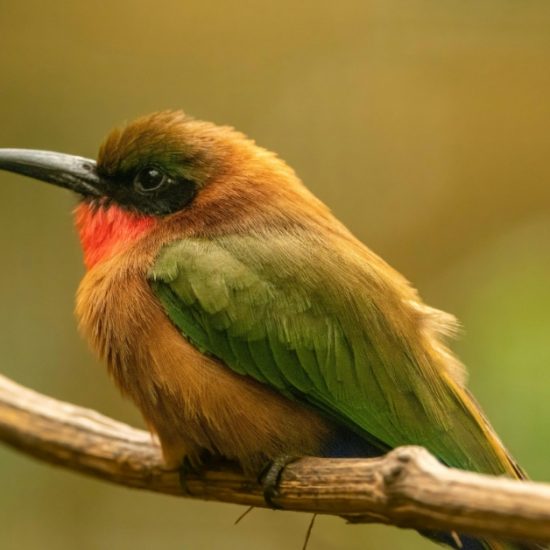
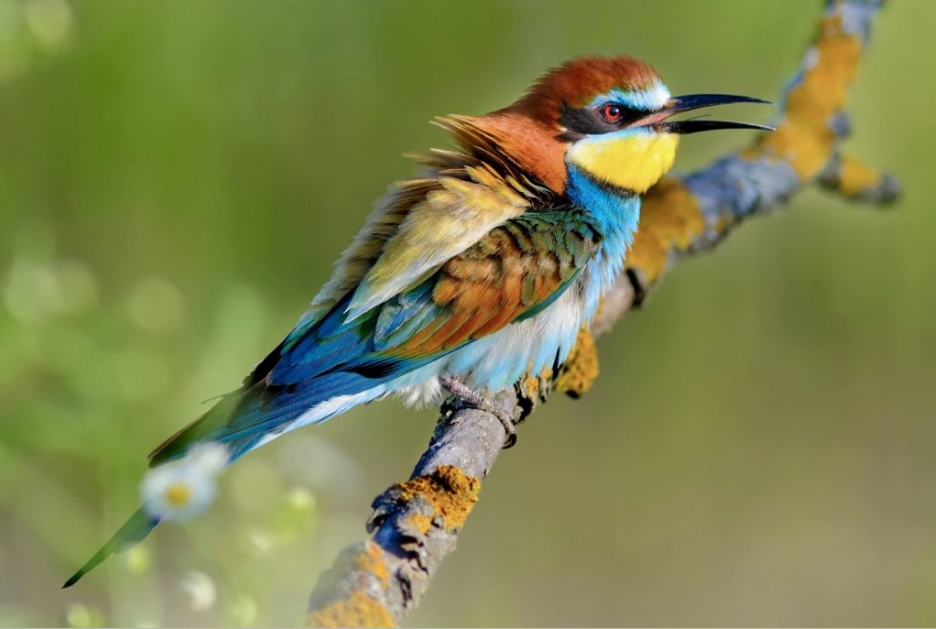
This is one of the most popular photography safaris in Kibale Forest National Park that allows bird lovers and wildlife photographers to explore the park’s diverse bird species while capturing beautiful photographs of various colourful bird species in their natural habitats. The park is home to over 370 bird species, such as forest birds, water birds, Albertine Rift endemics, migratory birds and the park’s resident species. This is a guided activity led by an experienced park birder who identifies bird species encountered and provides insights about their behaviours. Photographers should consider packing a camera with a telephoto lens(300mm-600mm) for capturing distant birds, extra batteries, memory cards, binoculars, tripods, a waterproof backpack, and a rain cover to protect their equipment from unexpected rainfall. The birds to capture include lack Bishop, Purple-breasted Sunbird, Regal Sunbird, Purple-banded Sunbird, African Finfoot, Gray Crowned-Crane, Water Thick-knee, Pink-backed Pelican, Great White Pelican, Copper Sunbird, Orange-tufted Sunbird, White-faced Whistling-Duck, Laughing Dove, Emerald-spotted Wood-Dove, Black-billed Wood-Dove, Tambourine Dove, Red-collared Widowbird, Vitelline Masked-Weaver, Strange Weaver, Western Bronze-naped Pigeon, White-naped Pigeon, White-naped Pigeon, Fan-tailed Widowbird, Hamerkop, Shoebill, Osprey, Fulvous Whistling-Duck, Knob-billed Duck, Egyptian Goose, Spur-winged Goose, African Pygmy-Goose, African Black Duck and more.
Wildlife and Butterfly photography.
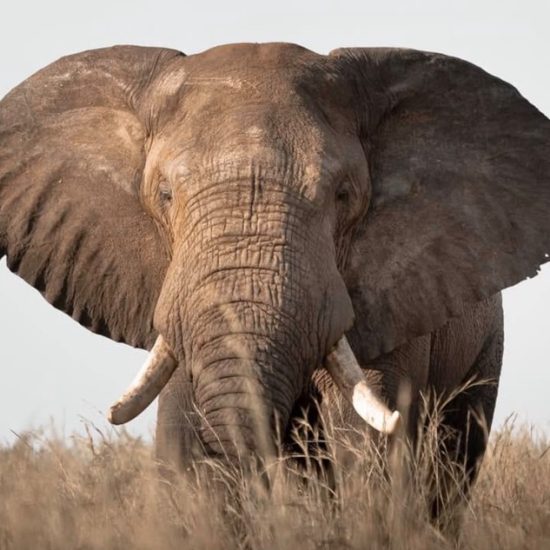
Photography Safaris in Kibale Forest National Park: Kibale is home to more than 70 mammal species and 300 butterfly species, which attracts wildlife photographers and butterfly lovers to take unique shots of these awesome species. Participants do nature walks, which are guided activities that allow them to explore the park. Nature walks are guided activities led by knowledgeable park guides who provide insights about the species encountered. Photographers will capture animals like forest elephants, buffaloes, giant forest hogs, water bucks, blue duikers, vervet monkeys, red-tailed monkeys, olive baboons, black and white colobus monkeys, grey-cheeked mangabeys, red colobus monkeys and more. Butterfly lovers will capture stunning images of butterflies like forest mother of pearl, Blue-spotted charaxes, common diadem, variable diadem, common bush brown, common eggfly, green-banded swallowtail and more.
Best Time to do Photography in the Park.
Photography safaris in Kibale Forest National Park can be done at any time of the year, and the best time preferred by most travellers is during the dry season, which runs from June to September and December to February. During this season, the park receives little to no rainfall, the vegetation cover is short, and the tracks are dry, making it easy to penetrate in search of wildlife species. However, visitors can visit the park during the wet season, which runs from October to November and March to May. The park receives abundant rainfall; the tracks are muddy and slippery, making it challenging to penetrate the park.