Birding Photography Safaris in Kibale Forest National Park.
Kibale Forest National Park is one of the top bird watching destinations in Uganda, offering photographers a unique opportunity to explore one of Africa’s most biodiverse tropical rainforests. It’s situated in the southwestern part of the country, and it’s globally celebrated for its rich avian life. Caracal Explorers organizes birding photography safaris in Kibale Forest National Park, which offers a unique blend of birdwatching, wildlife photography and rainforest exploration. The park is home to over 375 bird species, including forest birds, water birds, migratory birds, Albertine Rift endemics, and the park’s endemic species, which are rare to find anywhere else, which gives excellent chances to photograph colourful bird species.
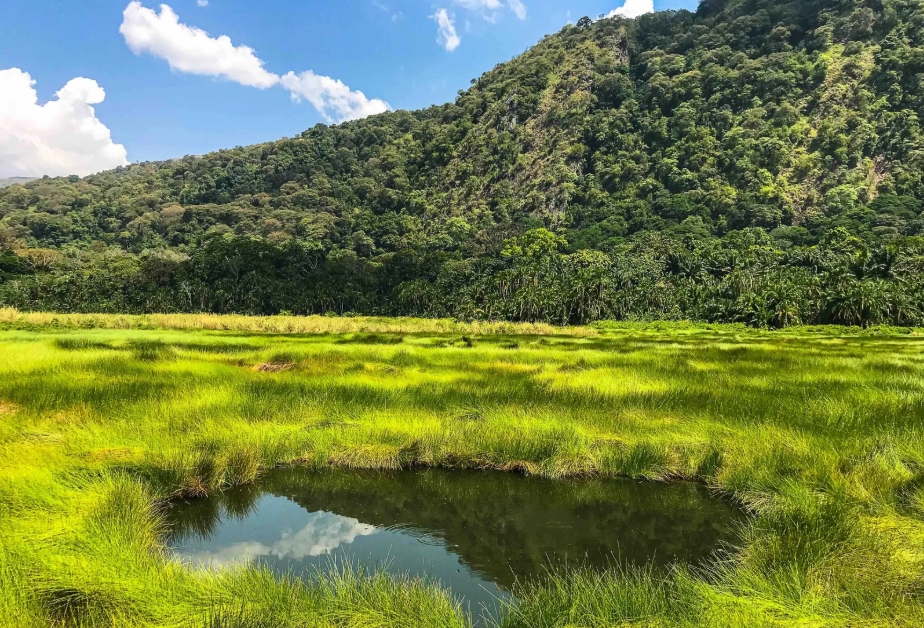
The park’s rich avian life is supported by its mix of ecosystems, which provide habitats for various bird species found in the park, such as wetlands, tropical rainforests, and grasslands. Birding photography is best done in the morning or late afternoon hours when birds are most active, which provides great chances of capturing sharp and well-focused photos of various bird species in their natural habitats. With experienced bird guides and a rich bird life, Kibale National Park stands out as the perfect place for nature and birding photography enthusiasts.
Birds to See on Birding Photography Safaris in Kibale Forest National Park.
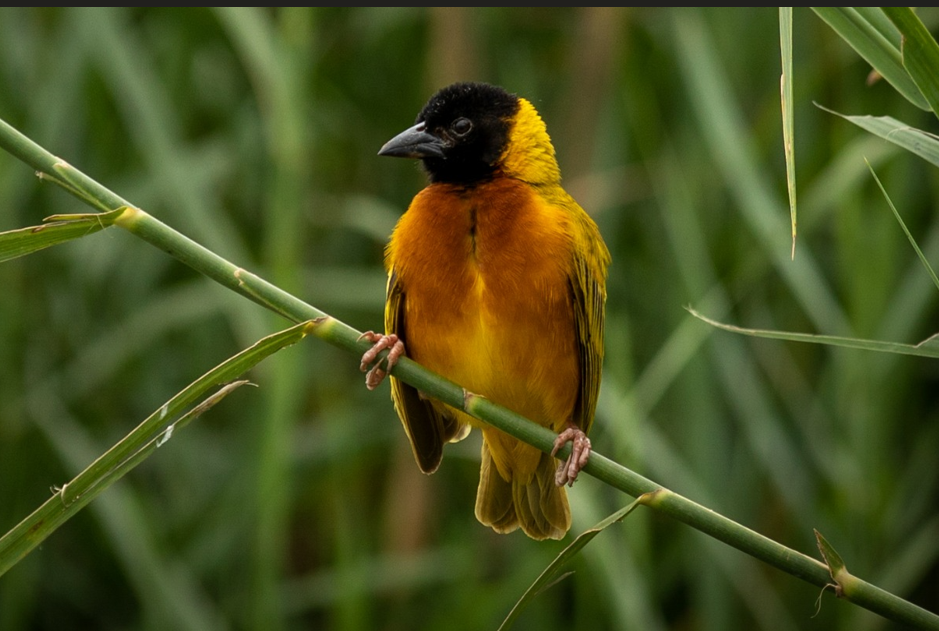
Photographers will find Kibale National Park a haven for birdwatching, with over 375 bird species. They will enjoy the sweet melodic songs and calls of various bird species, including forest birds, water birds, migratory birds, and Albertine Rift endemics. They will be delighted to capture countless colourful bird species from turacos to herons found in the park. These birds include Golden-backed Weaver, Cardinal Quelea, lack Bishop, Purple-breasted Sunbird, Regal Sunbird, Purple-banded Sunbird, African Finfoot, Gray Crowned-Crane, Water Thick-knee, Pink-backed Pelican, Great White Pelican, Copper Sunbird, Orange-tufted Sunbird, White-faced Whistling-Duck, Laughing Dove, Emerald-spotted Wood-Dove, Black-billed Wood-Dove, Tambourine Dove, Red-collared Widowbird, Vitelline Masked-Weaver, Strange Weaver, Western Bronze-naped Pigeon, White-naped Pigeon, White-naped Pigeon, Fan-tailed Widowbird, Hamerkop, Shoebill, Osprey, Fulvous Whistling-Duck, Knob-billed Duck, Egyptian Goose, Spur-winged Goose, African Pygmy-Goose, African Black Duck, Yellow-billed Duck, Helmeted Guineafowl, Western Crested Guineafowl, Nahan’s Partridge, Crested Francolin, Scaly Spurfowl, Ring-necked Francolin, Handsome Spurfowl, Scaly Spurfowl, Heuglin’s Spurfowl, Speckled Pigeon, Afep Pigeon, Rameron Pigeon, Mourning Collared-Dove, Red-eyed Dove, Ring-necked Dove, Vinaceous Dove, Great Blue Turaco, Black-billed Turaco, White-crested Turaco, Ross’s Turaco, Eastern Plantain-eater, Bare-faced Go-away-bird, Black-bellied Bustard, Senegal Coucal, Blue-headed Coucal, White-browed Coucal, Black Coucal, Blue Malkoha, Great Spotted Cuckoo,Levaillant’s Cuckoo, Pied Cuckoo, Dideric Cuckoo.
Other Birds to encounter on birding photography in Kibale Forest National Park include Klaas’s Cuckoo, African Emerald Cuckoo, Dusky Long-tailed Cuckoo, Red-chested Cuckoo, Olive Long-tailed Cuckoo, Dusky Long-tailed Cuckoo, Nubian Nightjar, Pennant-winged Nightjar, Fiery-necked Nightjar, Swamp Nightjar, Plain Nightjar, Square-tailed Nightjar
Mottled Spinetail, Sabine’s Spinetail, Little Stint, Greater Flamingo, Black-headed Gull, Gray-hooded Gull, African Skimmer, Gull-billed Tern, Whiskered Tern,White-winged Tern, Collared Pratincole, Hadada Ibis, African Spoonbill, Dwarf Bittern, Little Bittern, Black-crowned Night Heron, Black Heron, Little Egret, White-backed Night Heron, Rufous-bellied Heron, Western Cattle-Egret, Yellow-billed Egret, Squacco Heron, Purple Heron, Goliath Heron, Gray-headed Sunbird, Western Violet-backed Sunbird, Little Green Sunbird, Little Green Sunbird, Collared Sunbird, Green-headed Sunbird, Blue-throated Brown Sunbird, Olive Sunbird, Green-throated Sunbird, Scarlet-chested Sunbird, Crested Malimbe, Strange Weaver, Holub’s Golden-Weaver, Village Weaver, Little Weaver, Marabou Stork, Saddle-billed Stork, African Woolly-necked Stork, Abdim’s Stork, African Openbill, African Darter, Reed Cormorant and more.
Things to Pack on Photography Safaris in the Park.
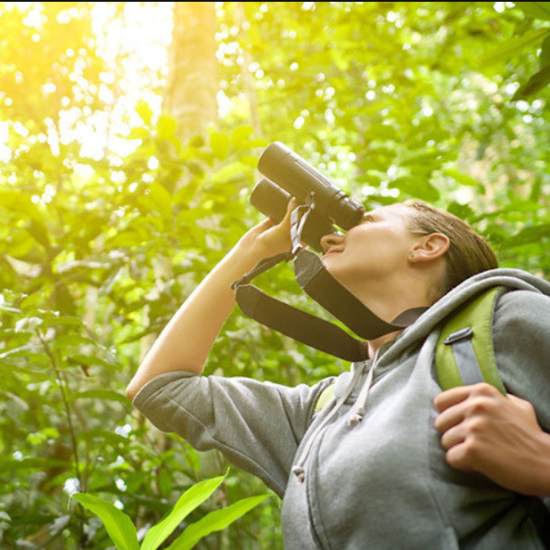
Photographers preparing for birding photography safaris in Kibale Forest National Park should pack the essentials for both photography equipment and personal essentials to ensure a comfortable and rewarding experience. They should carry a reliable camera with a telephoto lens for capturing distant birds, extra batteries, memory cards, binoculars, tripods, a waterproof backpack, and a rain cover to protect their equipment from unexpected rainfall. Don’t forget to carry comfortable waterproof hiking shoes, a rain jacket, insect repellent, sunscreen, a water bottle, a brimmed hat, a birding checklist, a power bank for charging devices, a headlamp, lightweight, long-sleeved shirts and trousers, and energy snacks.
What is the best time for birding photography safaris in the park.
Kibale Forest National Park is open throughout the year for photography safaris, and the best time depends on travellers’ interests. It experiences two seasons, the dry season and the wet season. The wet season is the most preferred season by birding photographers, which is from October to November and March to May. During this period, the park receives enough rainfall, and the park has enough food, which attracts various bird species. This is the period of the year when migratory bird species travel from Europe and Asia to the park, migrating away from the harsh weather conditions and searching for food. This is the breeding season of most bird species, and the park offers excellent chances of encountering various bird species since they don’t move deep in the forest in search of food. Visitors should be aware that during this period, the park is muddy. The dry season runs from June to September and from December to February. During this period, the park receives little to no rainfall, the park is less muddy and slippery, making it easy to penetrate the park in search of various bird species.