Mabamba Wetland of Uganda
Mabamba Wetland of Uganda is one of the top birding sites located on Lake Victoria’s shores, containing a large open marsh of miscanthus and papyrus reeds that makes it a haven for several wildlife species, particularly birds, mainly the elusive shoebill, with a large concentration of migrant birds such as the Papyrus Yellow Warbler, Blue Swallow, Papyrus Gonolek, and many others.
Mabamba wetland is the top birding destination and breeding ground for the shoebill, making it one of the sites with the highest concentration of shoebill species in the world, with an average of about 12 bird species being recorded daily. The wetland is home to over 300 bird species due to its strategic location and its ecosystem that supports birdlife.
It is located next to Uganda’s business capital, Kampala, and Entebbe, providing bigger opportunities and high potential for preservation and ecotourism development. Due to its significance and varied ecological importance as a breeding area for shoebills. Therefore, the wetland was designated as a Ramsar Site, referring to a wetland of international importance, and, moreover, an Important Birding Area (IBA) with rich biodiversity, hence its conservation from all sorts of threats.
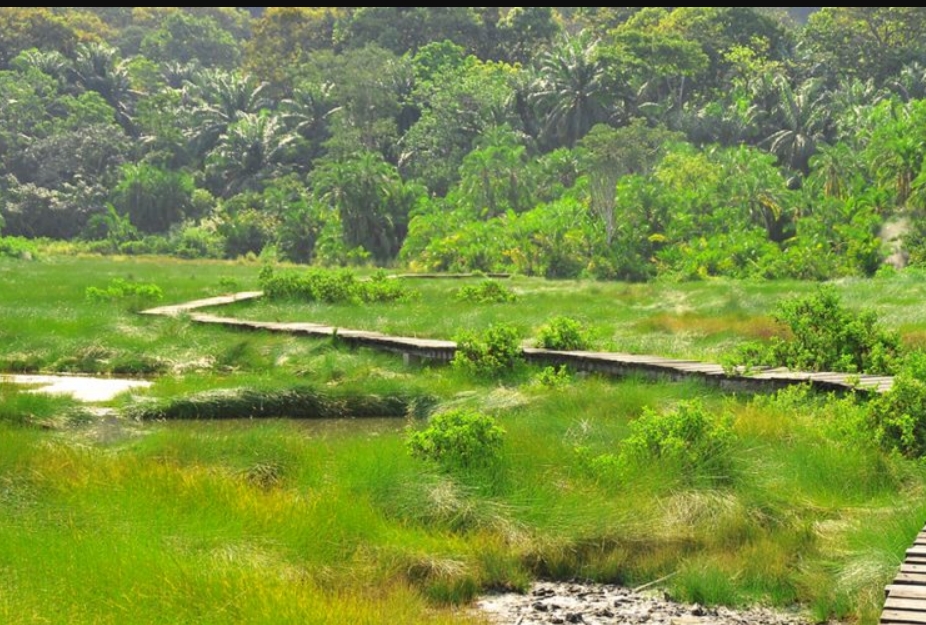
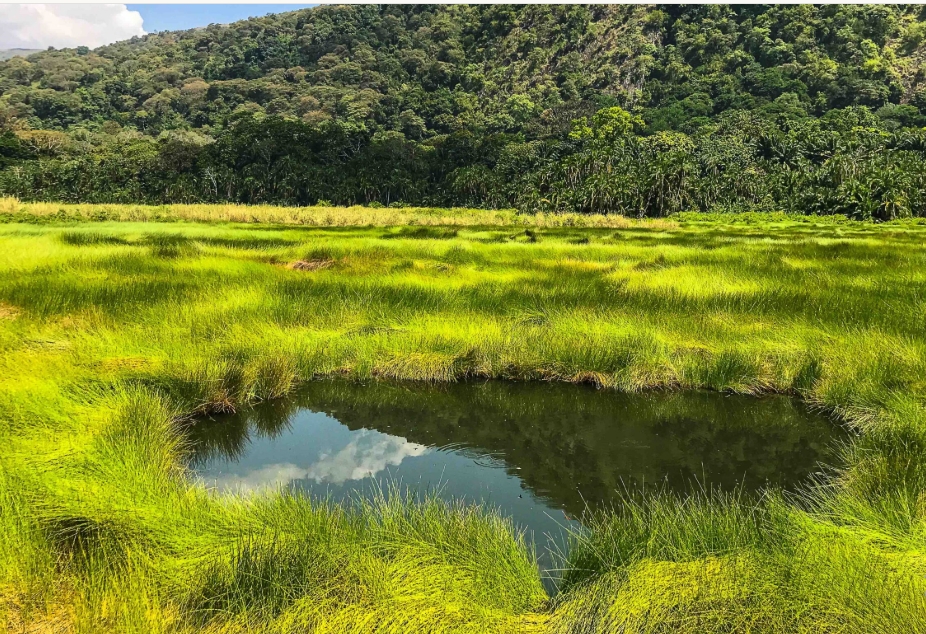
Mabamba Wetland in Uganda is a top spot for birdwatching, featuring a long marsh stretching with papyrus vegetation through a narrow bay towards the main body of the scenic Lake Victoria. The wetland offers stunning views of natural serenity with unique species such as the Shoebill Stork, African Pygmy Goose, White-winged Warbler, papyrus Gonolek, and the much sought-after Sitatunga species.
Birdwatching is not only available on the lake but also along a well-established path that leads through farmland to Nkima Forest. This offers visitors a chance to enjoy the panoramic view of the wetland with over 200 bird species in a single day.
You can alsoenjoy rowing on a slow boat side as you also get involved in other interesting activities such as traditional fishing, canoeing, butterfly watching, shoebill tracking, nature walks, and community encounters. All these activities generate income, where part of it is taken back to the community to foster responsible tourism as a way of enabling the community to come up with development initiatives as they also promote sustainability and conservation of the wetland.
How to get to Mabamba Wetland
Mabamba wetland can be accessed from either Kampala or Entebbe using the old Entebbe-Kampala main road and then getting off at Kisubi via Nakawuka through Kasanje and connecting to Mabamba. You can also access Mabamba Wetland by boat from the Entebbe Nakiwogo landing site by either using a ferry or a speedboat, which takes about 40-50 minutes.
Upon arrival at the swamp, you will take a canoe to begin your search for the iconic shoebill through the papyrus vegetation along the narrow water channels. The wetland emerges as one of the vast swamps in Lake Victoria and is close to Entebbe and Kampala City Centre in Kasanje Village, covering about 40 km. The major economic activities in the area among the communities nearby include fishing, canoeing, mining, hunting, and many others.
The wetland is famous for its biodiversity and home to a variety of bird species, about 260 species, making it one of the top attractions in Entebbe. Due to its unique and attractive collection of bird species, such as the blue swallow, shoebill, papyrus swamp warbler, and many others, it was declared a Ramsar Site and Wetland of International Importance in 2006. Due to this global recognition, Mabamba Wetland has transformed into a birding stronghold that attracts birdwatchers from different parts of the world.
Birding in Mabamba Wetland of Uganda
Mabamba Wetland is therefore one of the best destinations for birdwatching safaris in Uganda. More still, its strategic location closer to Entebbe and Uganda’s International Airport as well, has contributed tremendously to its popularity as a starting point for both birders and nature lovers aiming at having lengthy safaris in Uganda.
The top attraction in the swamp is the shoebill, one of the most sought-after bird species in the country. Unlike other birding sites in Uganda, it’s only Mabamba and Murchison Falls National Park where you are guaranteed to best spot this iconic shoebill species throughout the day.
Despite being a famous site for shoebills, the wetlands are also home to other bird species such as the Papyrus Gonolek, African Pygmy Goose, White-winged Warbler, Yellow-billed Tinkerbird, Yellow-throated Greenbul, Yellow Wagtail, Blue Swallow, Malachite Kingfisher, Yellow-billed Stork, African Marsh Harrier, African Jacana, African Hoopoe, Yellow-rumped Tinkerbird, Woodland Kingfisher, Black Weaver, White-winged Tern, White-browed Cuckoo, Wood Sandpiper, Black-winged Tern, Whinchat, White-shouldered Tit, Yellow-billed Kite, and White-faced Whistling Duck, among others.
Best time to visit the Wetland
Mabamba Wetland can be visited throughout the year, though some months seem to be better than others. The dry season is always the best time to visit Mabamba, especially in the months between December and February and around June to early September, since their nesting period always occurs between June and July, whereby they tend to keep too deep in the swamp, making them hard to see.