Getting to Mabamba Wetland
Mabamba Wetland is Africa’s top birding destination, famous for the elusive Shoebill and several other birds, located 38 km west of Entebbe Town. Accessing Mabamba from Entebbe takes about an hour depending on the stopovers before arrival. During birdwatching tours, the wetland can best be accessed by boat gliding through the papyrus vegetation and reeds in narrow channels.The wetland is a remarkable destination for its classification as a pivotal ecosystem that fosters rich biodiversity, community engagement, and conservation measures.
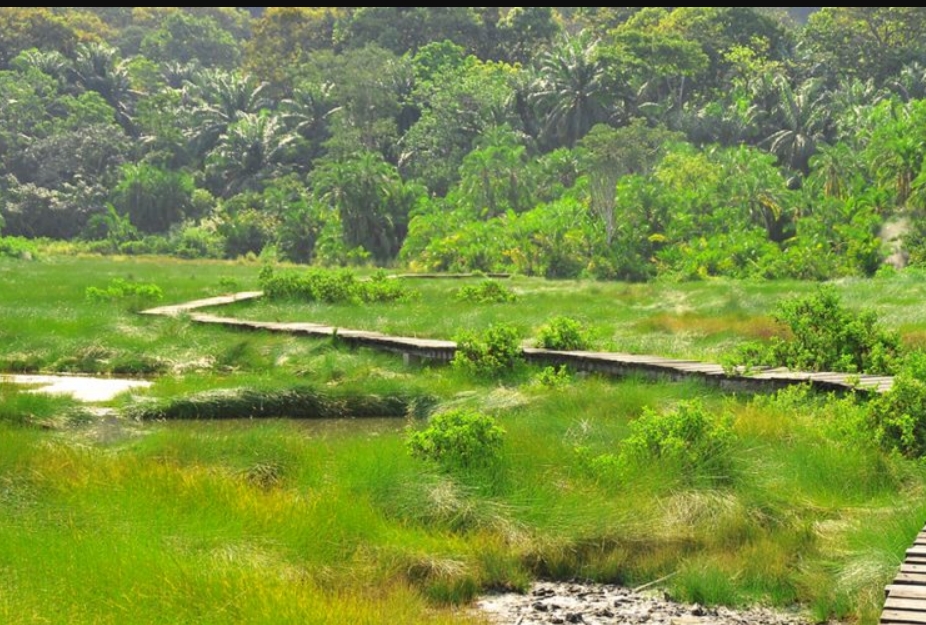
Undoubtedly, Mabamba Wetland is one of the popular wetland sites known for its rich biodiversity, including habitats that range from open wetland reeds to papyrus swamps. The wetland is the top breeding destination for shoebills, breeding in the vast papyrus swamp with a network of canals that can be accessed by both manual and motorized canoes, hence classified as an Important Bird Area (IBA) by BirdLife International.
Getting to Mabamba Wetland
Getting to Mabamba Wetland: The Mabamba Wetland swamp can be accessed from either Entebbe or Kampala using alternative routes that are conducive to visitors accessing the wetland. Visitors from Entebbe can use the old Entebbe-Kampala Road and wind off from Kisubi town. After, drive to Nakawuka via Kasanje before getting to Mabamba Wetland. Visitors coming from Kampala have two options; one is to take a taxi from the new taxi park to Kasanje trading center. Upon reaching Kasanje trading center, one can hire a boda boda (motorcycle) up to Mabamba Wetland, which is about 13.5 km away. Alternatively, you can access it via Masaka Road and then branch off after about 30 kilometers to Buyege. The distance from Buyege to Mabamba is about 22 kilometers.
Alternatively, a more convenient and easy way to reach the swamp from Entebbe town is by taking a speedboaton Lake Victoria. Using the water route is more adventurous and allows you to wonder at the stunning Lake Victoria while bypassing Entebbe town and the airport. Using a speedboatto the Mabamba starting point takes between 45 and 50 minutes. The boats are in great condition, comfortable, and with life jackets. However, large speedboats are not suitable for navigating through the papyrus swamp. Once you get near the wetland, prepare to board smaller canoes operated by the locals that are used to navigate through the papyrus swamp.
Upon arrival at the inception, expect to find several birding guides and the local fishermen eagerly waiting to accompany you deep into the wetland to search for several birds. These guides and boatmenare well organized under one umbrella with their leader, who allocates the boatmanand the guide to the visitors. The canoes have a capacity of 3 birdwatchers minus the guide and the boatman. You will pay a community fee of about $7 at their office, while the boat and the guide cost over $35. Payments made for these services are one way of giving back to the community as part of responsible tourism and also enhance the protection of this wetland.
Birding Experience in Mabamba Wetland
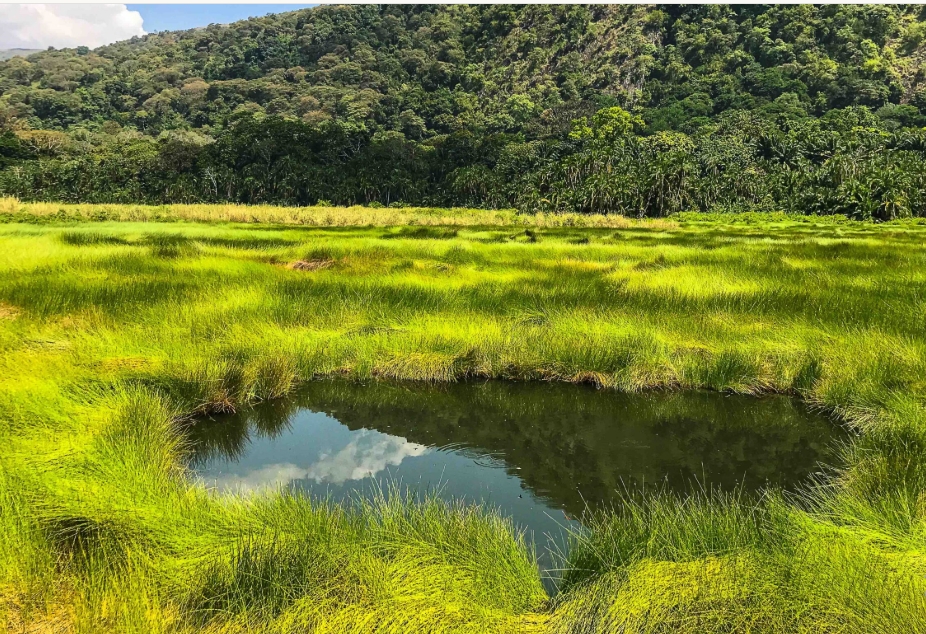
As the boat sets into the papyrus swamp, pay attention to all angles of the narrow channel and up to the sky. The services of the guide and the boatman will help get you close to the bird species as you navigate through the wetland with water lilies. After gliding for a while, the papyrus swamp will open up for the grassy flat swamps. Make sure you are equipped and ready with the gear, such as the binoculars, telescope, and camera, among others. Several bird species will surprise you, including the iconic shoebill, papyrus gonolek, African pygmy goose, kingfishers, and bee-eaters. However, the best time to spot these shoebills is during morning hours as they search out for food. This will enable you to take as many memorable photos as possible.
As soon as the boat starts moving into the reeds, pay attention on both sides of the narrow pathways and in the air. Your guide and boatman will help you get close to the birds by navigating through the papyrus and lily pads. After rowing for a few minutes, the narrow papyrus reeds open up to reveal flat grassy swamps. Have your binoculars and camera ready. The number of birds here will surprise you if you are not prepared. Watch out for the bee-eaters, kingfishers, and other species. Don’t miss the beautiful butterflies and lotus flowers. The best time to find the shoebills is during the morning hours when they go out to feed.Taking photos of the storks is easier compared to many of the other bird species. This is because they stay still for long periods as they observe the movement of fish, frogs, and other prey before making a lightning strike. They support themselves by standing on floating reeds.
Bird species to see in Mabamba Swamp
Unlike the rare Shoebill, Mabamba Swamp houses several other species, including the famous water birds such as the African Jacana, Goliath Heron, Long-tailed Cormorant, African Marsh Harrier, Black-headed Heron, Yellow-billed Duck, Malachite Kingfisher, and African Fish Eagle, and several other species such as the Papyrus Gonolek, Allen’s Gallinule, Northern Brown-throated Weaver, Swamp Flycatcher, Fan-tailed Widow Bird, Long-toed Plover, Papyrus Canary, Greater Swamp Warbler, White-winged Warbler, Blue-headed Coucal, and Winding Cisticola, among others.
Best time to visit Mabamba Wetland
Mabamba Wetland can be visited all year round, though some months are better than others. However, the best months run from August to September and December to February. During the nesting season of June and July, shoebills are hard to spot since they tend to keep too deep in the swamp.