Birding In Murchison Falls National Park
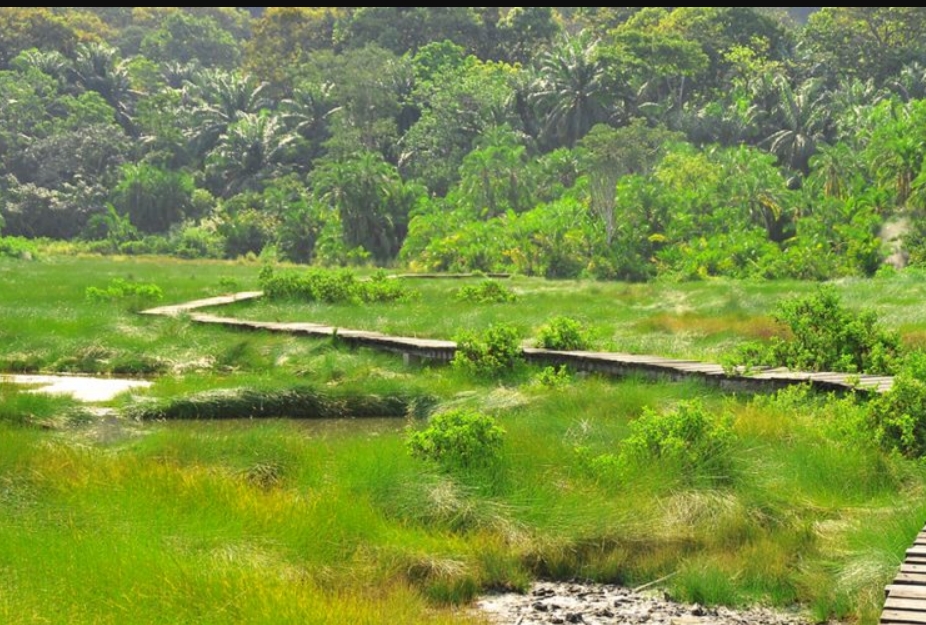
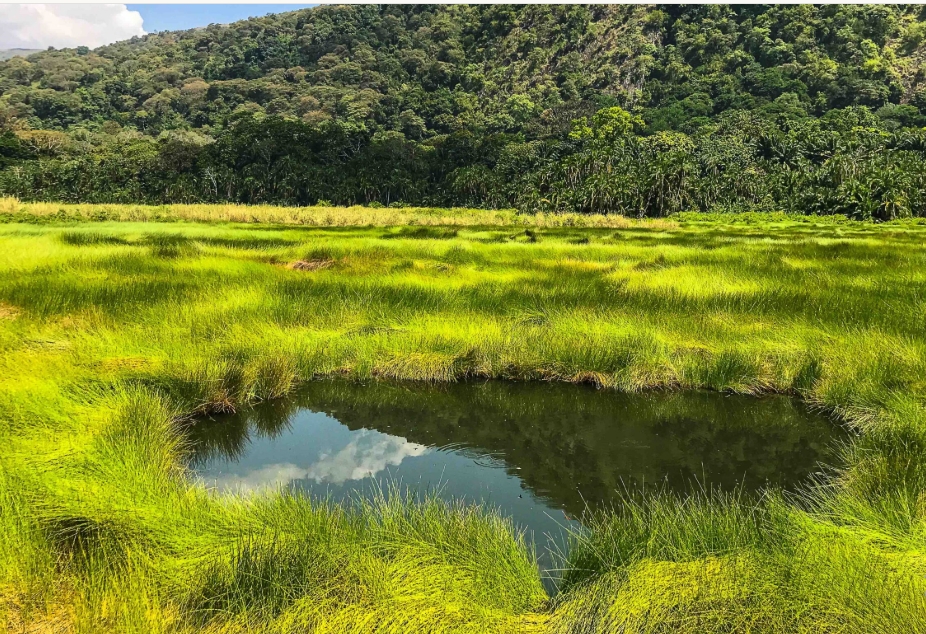
Birding in Murchison Falls National Park is one of the best destinations in Uganda, located in the northern part of the Albertine Rift Valley region. The park is bisected by the River Nile on the northern and southern banks. It’s the oldest and biggest National Park in Uganda, formed in 1952, covering an area of about 3480 square kilometres. It has various ecosystems, including riverine woodlands, savannah, woodlands, dense tropical forest, and wetlands, which provide a habitat to various wildlife species that call this beautiful park home.
It hosts over 453 bird species, including migratory birds, forest birds, nocturnal birds, forest birds, water birds, guinea-congo biome endemic, and the prehistoric shoebill stork. The park has various birding sites like the Royal mile, the Kaniyo Pabidi, Budongo, and birding in the northern sector, with well-maintained birding trails that cater to all levels of birding, whether you are an experienced birder or a beginner. These trails allow visitors to spot unique birding species like Puvel’s IIIadopsis, Ituri Batis, chestnut-capped flycatcher, chocolate-backed kingfisher, Rufous-crowned Eremomela, and Nahan’s Partridge, among others.
Bird Species in Murchison Falls National Park.
- Green-wood Hoope
- Abyssinian Ground Hornbill
- Goliath Heron
- Secretary Bird
- Woodland Kingfisher
- Northern Red-bishop
- Grasshopper Buzzard
- Dark chanting Goshawk
- Red-winged Warbler
- Black-billed wood-dove
- Black Scimiterbill
- Northern Carmine Bee-eater
- Swamp flycatcher
- Red-winged grey-warbler
- Vinaceous Dove
- Giant Kingfisher
- Senegal thick-knee
- Murchison-African Darter
- Long-foed plover
- Black billed barbet
- Rock Pratincole
- Osprey
- Giant heron
- Blue-head coucal
- Denham’s Bustard
- Speckle- fronted weaver
- Red-throated Bee-eater
- Sand pipers
- Pied Kingfisher
- Occasional secretary bird
- Malachite Kingfisher
- Martial eager
- Standard-winged Nightjar
- Yellow- fronted tinker bird
- Shoebill Stork
- Weaver birds
- Grey-crowned crested crane
- African Jacana
- Saddle-billed stork
- Black-headed lapwing.
Bird Watching Experience in Murchison Falls National Park.
Birding in Murchison Falls National Park is best enjoyed in the morning or late afternoon, led by a knowledgeable guide who helps visitors identify various bird species by their sounds and gives more insightful information about the bird species. The park offers various ways on how you can do birding, including game drives by using the birding tracks like Victoria track, Albert track, Queen’s track Buligi track. Forest walks in Budongo Forest, hiking to the top of the falls, nature walks, boat cruise on the Albert Nile and the Delta Nile, which gives visitors a chance to see water birds like Shoebill Stork, and a unique way of embracing nature while relaxing on a cruise.
What to Pack on a Birding Safari
Travellers planning a birding safari in Murchison Falls National Park should consider packing essential things that will make their birding safari memorable. Consider packing a telescope, which helps to see birds from a distance most especially the forest birds, a pair of binoculars which allows visitors to have clearly view bird species that they encounter, birding checklist, hiking boots, insect repellent, a hat, a camera and extra batteries, field guide books, long sleeved shirts and pants, waterproof jackets, water bottle.
Best Time for Bird watching in Murchison Falls National Park.
Birding in Murchison Falls National Park can be done year round, and the best time depends on the visitor’s preferences. According to reviews from past travelers, the best time is during the wet season, which runs from March to May and September to November. During this period, the park experiences enough rainfall, plants and tree species bear fruits, which creates enough food for the birds. This is a breeding period for many bird species, and the best time to find migratory birds that run away from harsh weather in Europe. However, in this period the trails are muddy, making it challenging to penetrate the park, but with a 4X4 by Caracal Explorers and experienced guides, we always make it to the corners of the park.
Visitors can also do bird watching in the dry season, which runs from June to August and December to February which is characterized by little to no rainfall. The trails are dry, making it easy to penetrate the forest.