Is Birding in Ngorongoro Conservation Area Worth It
Is birding in the Ngorongoro Conservation Area worth it? is a frequently asked question by bird enthusiasts and ornithologists planning their birding safari in Tanzania. Yes, birding in Ngorongoro is worth it. It’s one of the top birding destinations in Africa, which attracts thousands of bird lovers to explore its rich birdlife. It’s situated in the Northern part of Tanzania, about a 3- 4-hour drive from Arusha. The area is home to more than 550 bird species, such as migratory birds, water birds, savannah birds, forest birds and resident species that are only found in the area. The rich avian life is supported by the presence of a mix of ecosystems that provide habitats to various bird species, such as swamps, tropical forests, woodlands, savannah grasslands, and lakes. There are different spots for bird watching, all of which offer excellent chances of encountering unique bird species, such as the Ngorongoro Crater floor, Lake Magadi, Ndutu plains, Empakaai, Lerai forest, Olmoti and more. Birding is a guided activity led by an experienced birder who identifies various birds encountered and provides information about the behaviours of bird species encountered.
Things that make Birding in the Ngorongoro Conservation Area Worth It.
Rich Avian Life.
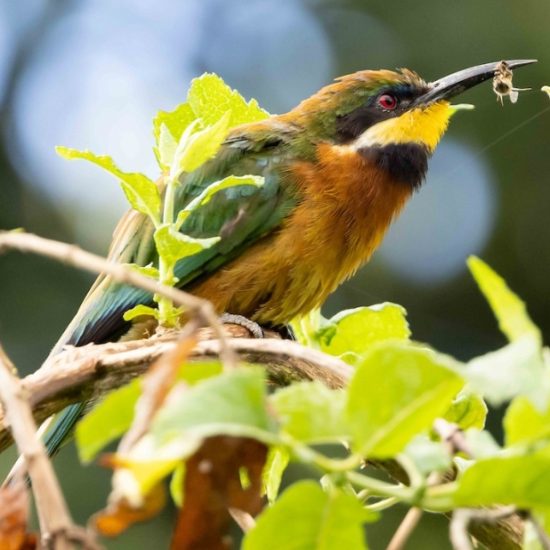
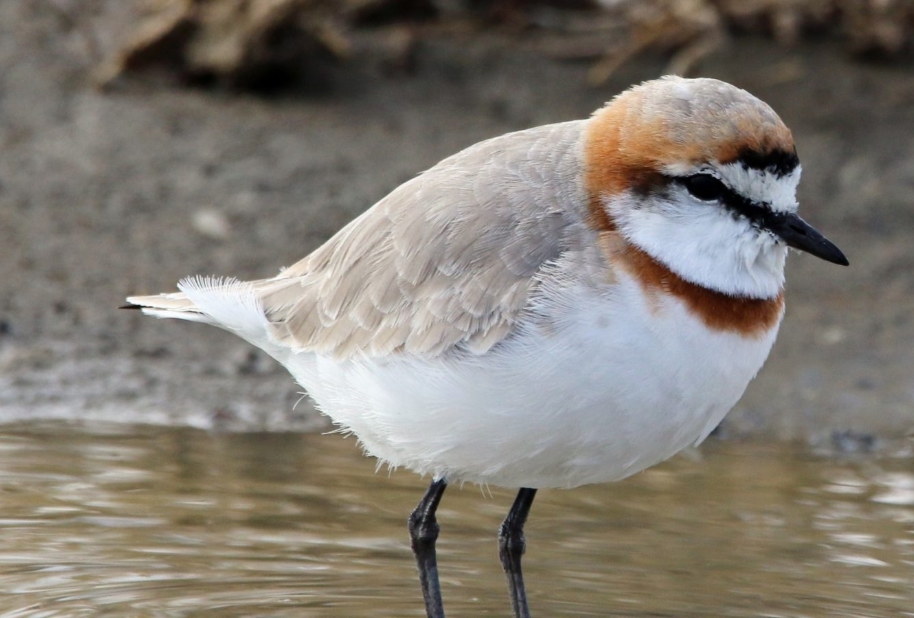
Ngorongoro Conservation Area is a haven for bird watching, with more than 550 bird species that call it home. These include savannah birds, water birds, migratory birds, forest birds and endemic species. Bird lovers can enjoy the unmatched variety in a single destination. Some of the birds to see include Northern Red-fronted Tinkerbird, Black-throated Barbet, Red-and-yellow Barbet, Brown-breasted Barbet, Red-fronted Barbet, Spot-flanked Barbet, Kori Bustard , Secretary bird , Common Ostrich, Osprey , White-faced Whistling-Duck, Fulvous Whistling-Duck, Yellow-throated Sandgrouse, Black-faced Sandgrouse, Denham’s Bustard, White-bellied Bustard, Buff-crested Bustard, Black-bellied Bustard, Hartlaub’s Bustard, Bare-faced Go-away-bird White-backed Duck, Knob-billed Duck, Egyptian Goose, African Pygmy-Goose, Garganey, Blue-billed Teal, Cape Shoveler, Northern Shoveler, Gadwall, Eurasian Wigeon, African Black Duck, Yellow-billed Duck, Red-billed Duck, Southern Pochard, Maccoa Duck, Helmeted Guineafowl, Vulturine Guineafowl, Eastern Crested Guineafowl, Coqui Francolin, Shelley’s Francolin, Common Quail, Harlequin Quail, Hildebrandt’s Spurfowl, Scaly Spurfowl, Gray-breasted Spurfowl, Speckled Pigeon, Eastern Bronze-naped Pigeon, Lemon Dove, Dusky Turtle-Dove, Mourning Collared-Dove, Red-eyed Dove, Ring-necked Dove, Laughing Dove, Emerald-spotted Wood-Dove, Blue-spotted Wood-Dove, Tambourine Dove, Namaqua Dove, African Green-Pigeon, Chestnut-bellied Sandgrouse, White-bellied Go-away-bird, Eastern Plantain-eater, Purple-crested Turaco, Schalow’s Turaco, Hartlaub’s Turaco, White-browed Coucal, Black Coucal, Green Malkoha, Great Spotted Cuckoo, Pied Cuckoo, Dideric Cuckoo, Klaas’s Cuckoo, African Emerald Cuckoo, Black Cuckoo, Red-chested Cuckoo, African Cuckoo, Pennant-winged Nightjar, Eurasian Nightjar, Donaldson Smith’s Nightjar among others.
Expert Park Guides.
The presence of knowledgeable and well-experienced park guides makes Birding in Ngorongoro Conservation Area Worth it. It has experienced bird guides who help visitors spot rare species, identify calls, and interpret behaviours, making the experience more insightful and rewarding.
Unique Habitats.
Ngorongoro Conservation Area has diverse ecosystems which provide habitat to various bird species that call this awesome place home. These ecosystems include tropical rainforests, highlands, wetlands, savannah grasslands, woodlands, and lakes. These habitats support distinct bird communities, giving birders a different experience from typical East African birding destinations and increasing the chances of encountering rare forest species.
Combination with iconic wildlife experiences.
One of the park’s biggest advantages is that birding can easily be combined with activities like game drives and nature walks. This makes it a highly efficient destination where visitors can enjoy both primate encounters and specialised birding in a single trip.