Bird Watching in Ngorongoro Conservation Area.
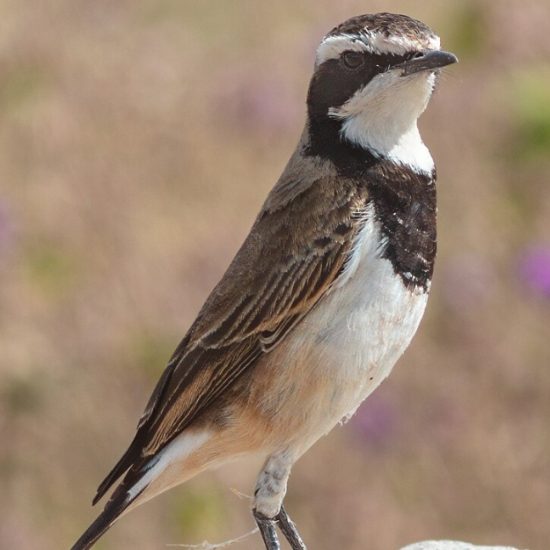
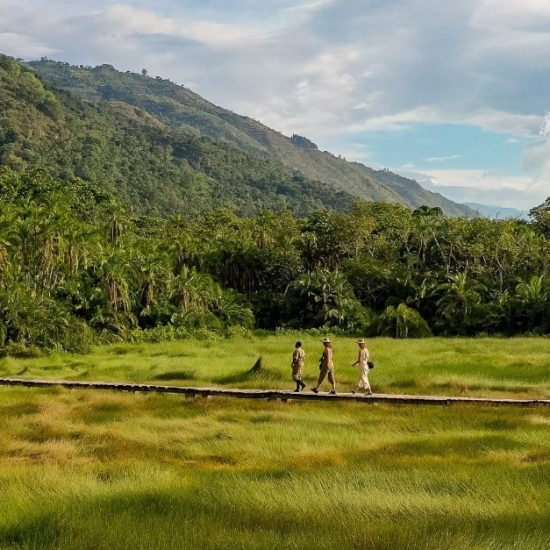
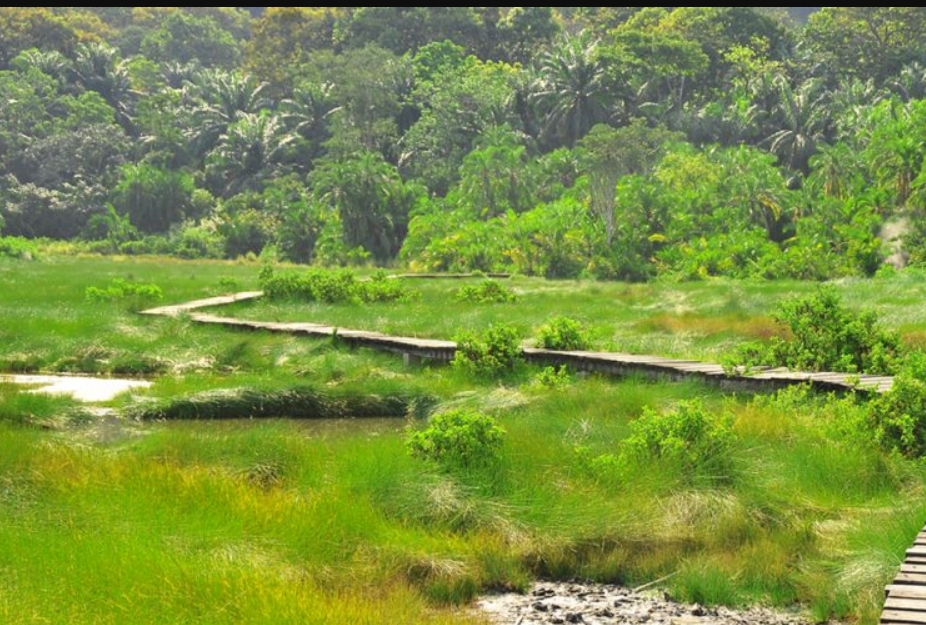
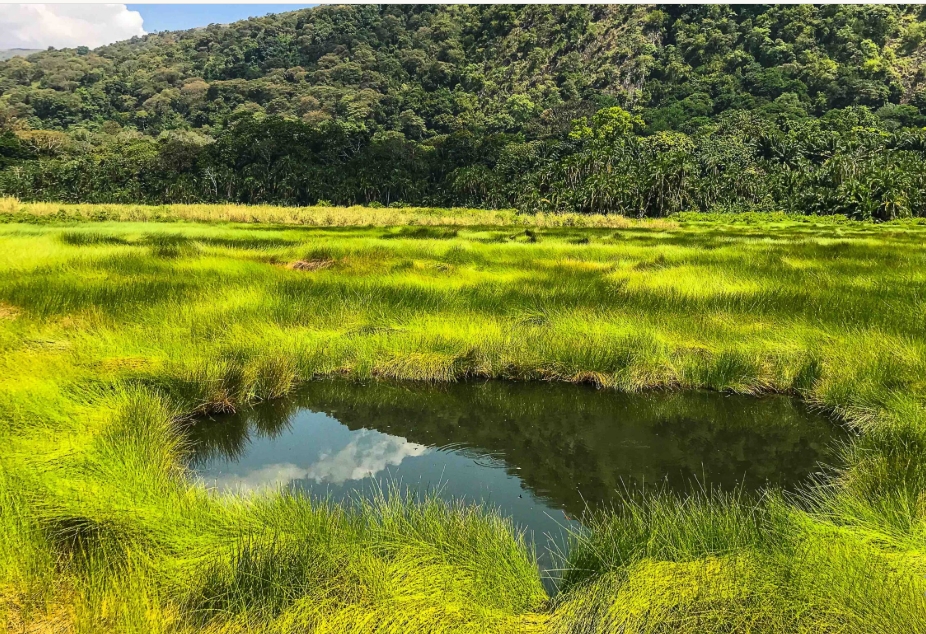
Bird watching in Ngorongoro Conservation Area is an exciting experience that allows bird enthusiasts and ornithologists to discover the remarkable diversity of birdlife in one of Tanzania’s most beautiful wildlife destinations. It’s one of the most sought-after safari destinations, celebrated for hosting Ngorongoro Crater, the world’s largest caldera. It’s situated in the northern part of Tanzania, and it was established in 1959 as a multiple land area, with humans coexisting with wildlife. The area has a mix of natural systems such as woodlands, savannah grasslands, lakes, forests, wetlands and highlands, which provide habitats for various bird species. It hosts more than 550 bird species, including forest birds, water birds, migratory birds, savannah birds and endemics which are rare to find anywhere else. Its rich birdlife attracts thousands of bird lovers to enjoy the sweet, melodic calls and sounds of unique bird species and photographers have excellent chances of capturing rare bird species. It’s best done early in the morning when birds are most active, which allows them to encounter various bird species. Birders are accompanied by an experienced park guide who identifies bird species by listening to their calls and sounds and gives more insights about their behaviours. If you are an experienced birder or simply a curious traveller, Ngorongoro Conservation Area promises exceptional bird watching experiences that shouldn’t be missed by bird lovers.
Birds to See on Bird Watching Safaris in Ngorongoro Conservation Area.
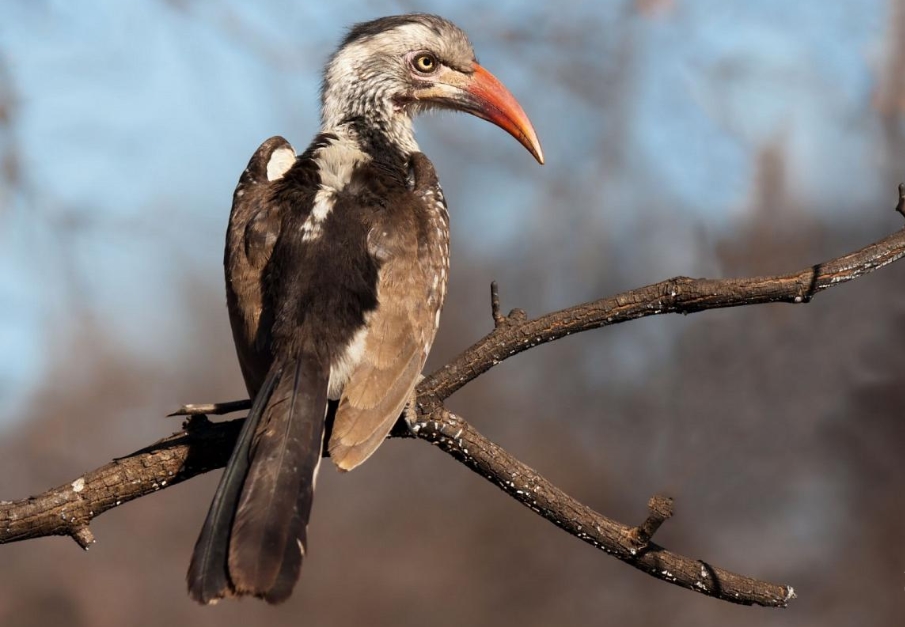
Bird lovers will find Ngorongoro a haven for bird watching, with hundreds of birds to encounter in their natural habitats. Some of the birds to encounter include Hildebrandt’s Spurfowl, Scaly Spurfowl, Gray-breasted Spurfowl, Kori Bustard , Secretary bird , Common Ostrich, Osprey , White-faced Whistling-Duck, Fulvous Whistling-Duck, White-backed Duck, Knob-billed Duck, Egyptian Goose, African Pygmy-Goose, Garganey, Blue-billed Teal, Cape Shoveler, Northern Shoveler, Gadwall, Eurasian Wigeon, African Black Duck, Yellow-billed Duck, Red-billed Duck, Southern Pochard, Maccoa Duck, Helmeted Guineafowl, Vulturine Guineafowl, Eastern Crested Guineafowl, Coqui Francolin, Shelley’s Francolin, Common Quail, Harlequin Quail, Speckled Pigeon, Eastern Bronze-naped Pigeon, Lemon Dove, Dusky Turtle-Dove, Mourning Collared-Dove, Red-eyed Dove, Ring-necked Dove, Laughing Dove, Emerald-spotted Wood-Dove, Blue-spotted Wood-Dove, Tambourine Dove, Namaqua Dove, African Green-Pigeon, Chestnut-bellied Sandgrouse, Yellow-throated Sandgrouse, Black-faced Sandgrouse, Denham’s Bustard, White-bellied Bustard, Buff-crested Bustard, Black-bellied Bustard, Hartlaub’s Bustard, Bare-faced Go-away-bird, White-bellied Go-away-bird, Eastern Plantain-eater, Purple-crested Turaco, Schalow’s Turaco, Hartlaub’s Turaco, White-browed Coucal, Black Coucal, Green Malkoha, Great Spotted Cuckoo, Pied Cuckoo, Dideric Cuckoo, Klaas’s Cuckoo, African Emerald Cuckoo, Black Cuckoo, Red-chested Cuckoo, African Cuckoo, Pennant-winged Nightjar, Eurasian Nightjar, Donaldson Smith’s Nightjar, Donaldson Smith’s Nightjar, Fiery-necked Nightjar, Montane Nightjar, Plain Nightjar, Freckled Nightjar, Slender-tailed Nightjar, Square-tailed Nightjar, Mottled Spinetail, Scarce Swift, Alpine Swift, Mottled Swift, Common Swift, Nyanza Swift, Little Swift, White-rumped Swift, Buff-spotted Flufftail, Red-chested Flufftail, Striped Flufftail, African Rail, Corn Crake, African Crake, Lesser Moorhen, Eurasian Moorhen, Red-knobbed Coot, Allen’s Gallinule, African Swamphen, Baillon’s Crake, African Finfoot, Gray Crowned-Crane, Spotted Thick-knee, Water Thick-knee, Black-winged Stilt, Pied Avocet, Black-bellied Plover, Common Ringed Plover, Little Ringed Plover, Long-toed Lapwing, Spur-winged Lapwing, Crowned Lapwing, Black-winged Lapwing, Senegal Lapwing, Chestnut-banded Plover, Greater Sand-Plover.
What is the Best Time to do Bird Watching in NCA.
Bird watching in Ngorongoro Conservation Area can be done throughout the year for bird watching safaris, allowing visitors to explore its avian treasures at any time. However, based on feedback from previous travellers, the best time for birdwatching is the wet season, which spans from March to May and October to November, and also offers excellent opportunities of seeing various birds. It’s when migratory birds travel from Europe and Asia, running away from the harsh weather conditions and looking for food and good weather conditions. This is the breeding period for most bird species, and it makes it easy to search for them since they don’t move far in search of food.