Why Visit Ngorongoro Conservation Area.
Why visit the Ngorongoro Conservation Area is the most asked question by travellers hearing about the destination for the first time, and this blog will discuss reasons why it shouldn’t be missed on your safari in Tanzania. Located in the northern part of the country, it’s about a 4-hour drive from Arusha, making it more accessible for travellers. It’s famous for hosting the Ngorongoro Crater, the world’s largest caldera and one of the natural seven wonders of Africa. Ngorongoro Conservation Area was established in 1959 as a multiple land use area with wildlife coexisting with semi-nomadic Maasai pastoralists practising traditional livestock grazing.
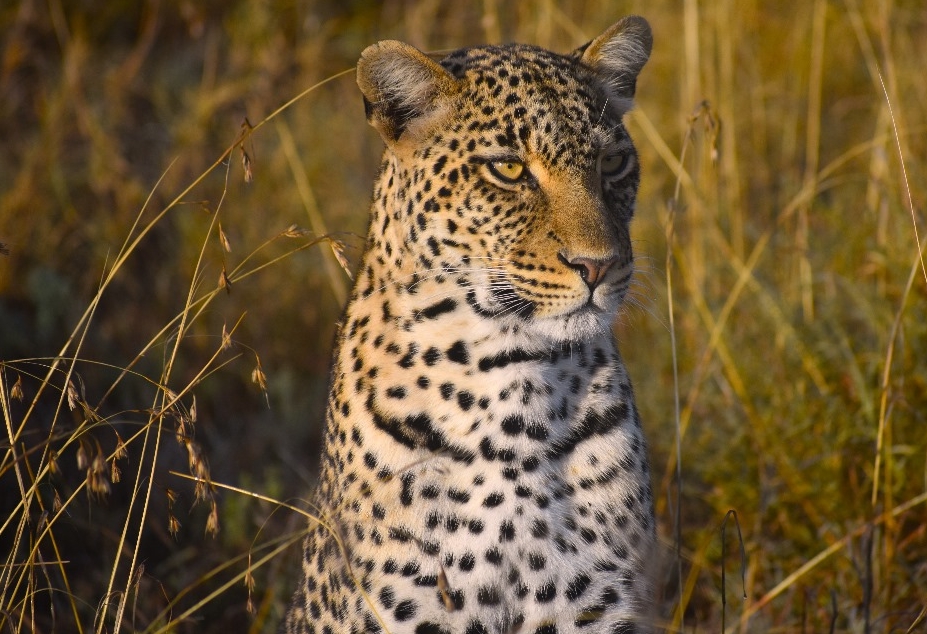
It is known for its rich biodiversity, home to over 300 mammal species, including the Big Five: elephants, lions, leopards, rhinos and buffaloes, making it the best destination for a complete Big Five safari. It’s also home to more than 500 bird species and 200 butterfly species. It’s also known for the great migration in the Ndutu plains, where millions of wildebeests gather, more so in the calving season. Olduvai Gorge makes the area more interesting, and the Maasai cultural experience is exceptional. If you are seeking true African Experiences in Tanzania, Ngorongoro Conservation Area should be added to your bucket list, as it provides unforgettable safari experiences to all travellers.
Why Visit Ngorongoro Conservation Area.
Ngorongoro Crater.
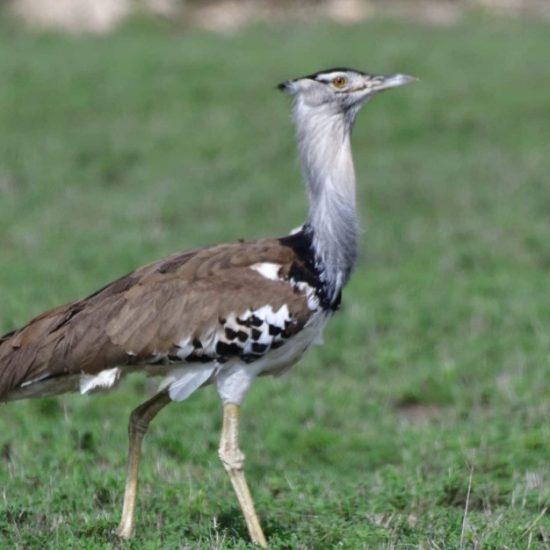
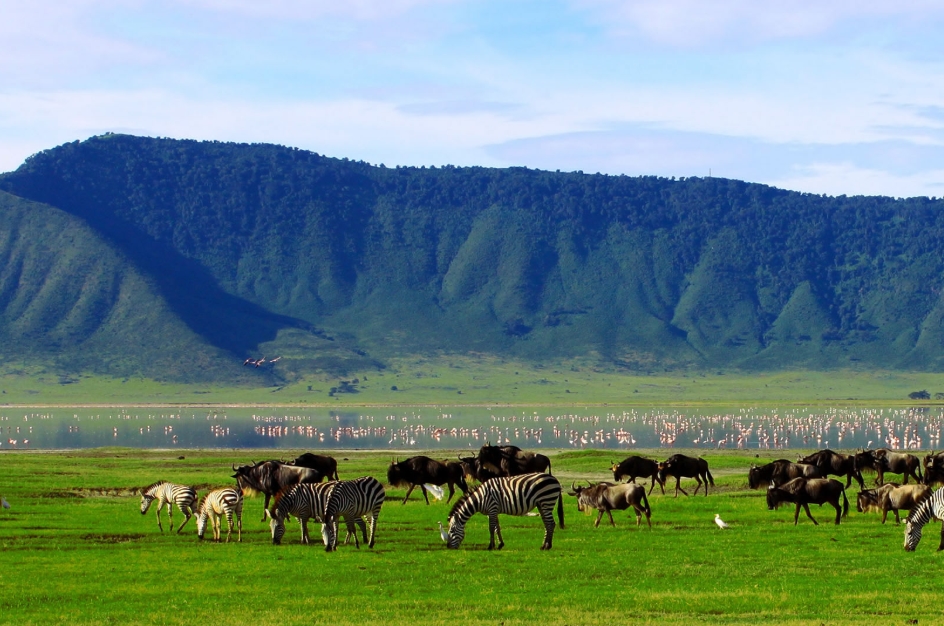
Ngorongoro Crater is the world’s largest unbroken and flooded caldera that was formed when a giant volcano exploded and collapsed three million years ago. It sinks to a depth of 610 meters, with a surface area covering 260 square kilometres. Ngorongoro Conservation Area is a UNESCO World Heritage site. The crater is home to over 25,000 animals, making it the best place to enjoy game drive safaris, allowing travellers to encounter the African Big Five: leopards, lions, rhinos, elephants and buffaloes. Other animals to encounter include zebras, gazelles, oribis, caracals, bushbucks, impalas, spotted hyenas, genets and more. Bird lovers will be delighted with hundreds of bird species found in the area, such as Kori Bustard, Secretary bird, Common Ostrich, Osprey, White-faced Whistling-Duck, Fulvous Whistling-Duck, White-backed Duck, Knob-billed Duck, Egyptian Goose, African Pygmy-Goose, Garganey, Blue-billed Teal and more.
Rich Biodiversity.
The rich biodiversity is one of the reasons why you should visit the Ngorongoro Conservation Area. It hosts over 300 mammal species, 25,000 large animals, and it harbours a range of endangered species like black rhinos, wild hunting dogs, and golden cats. Other animals include caracals, cheetahs, hyenas, elephants, buffaloes, genets, zebras, hippos, honey badgers, Aardvark, cape hare, vevert monkeys, olive baboons, black and white colobus monkeys, blue monkeys, oribis, impala, gazelles, dikdiks, bohor reedbuck, steenbok, giraffes, elands, wildebeests, golden jackal, mountain reedbuck, Sykes’ monkeys and more. It’s also home to more than 200 butterfly species, which add beauty to the area, and these include Hypolycaena antifaunus, Veined Swordtail, Common grass yellow, Variable Eggfly, Greystoke, elegant Acraea, green-banded swallowtail, African leopard Fritillary, among others.
Diverse Bird Life.
Ngorongoro Conservation Area is a haven for birdwatching, with more than 550 bird species that call this awesome place home. These include water birds, savannah birds, migratory birds, water birds and forest birds. Some of the bird species include Red-billed Duck, Southern Pochard, Maccoa Duck, Helmeted Guineafowl, Vulturine Guineafowl, Eastern Crested Guineafowl, Coqui Francolin, Shelley’s Francolin, Common Quail, Harlequin Quail, Hildebrandt’s Spurfowl, Scaly Spurfowl, Gray-breasted Spurfowl, Speckled Pigeon, Eastern Bronze-naped Pigeon, Lemon Dove, Dusky Turtle-Dove, Mourning Collared-Dove, Red-eyed Dove, Ring-necked Dove, Laughing Dove, Emerald-spotted Wood-Dove, Blue-spotted Wood-Dove, Tambourine Dove, Namaqua Dove, African Green-Pigeon, Chestnut-bellied Sandgrouse, Yellow-throated Sandgrouse, Black-faced Sandgrouse, Denham’s Bustard, White-bellied Bustard, Buff-crested Bustard, Black-bellied Bustard, Hartlaub’s Bustard, Bare-faced Go-away-bird, White-bellied Go-away-bird, Eastern Plantain-eater, Purple-crested Turaco, Schalow’s Turaco, Hartlaub’s Turaco, White-browed Coucal, Black Coucal, Green Malkoha.
Olduvai Gorge.
Olduvai Gorge is one of the reasons to visit the Ngorongoro Conservation Area. It’s one of the world’s most significant archaeological and paleoanthropological sites. It is often referred to as the “Cradle of Mankind”; it is famous for its remarkable discoveries of early human ancestors, fossils, and ancient stone tools dating back millions of years. This is a deep 14 kilometers long gorge that is part of the Great Rift Valley. This is where some of humans’ early bones are found. Visitors can explore the museum, learn about fascinating discoveries, and experience the dramatic landscape that preserves an extraordinary record of life and human history.