Exploring the Semuliki River
Exploring the Semuliki River: Besides the hot springs where visitors boil eggs and other food stuff, take photos, and after they vacate the park. Semuliki River is the real heart of the tropical rain forest located in the western part of Uganda. This river earns its name from Semuliki National Park, which is situated in Bundibugyo District along the borders of Uganda and the Democratic Republic of Congo.
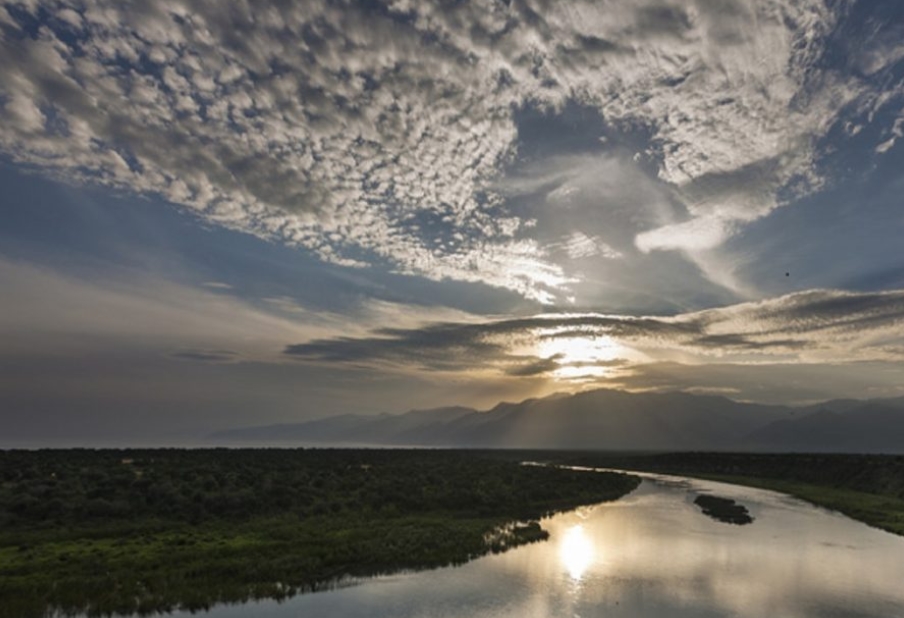
The river emanates from the Rwenzori ranges from the lower foot hills of the mountains, where small streams converge, and by the time these streams reach the base of the valley, it’s already wide, flowing northwards, and then pours its water into Lake Albert. The river is between 140 km and 160 km long, and the mouth of the River Semuliki is in Katolingo village, Kanara subcountry, Ntoroko district, in western Uganda.
The Semuliki River is situated in the western rift valley that links Lake Albert and Lake Edward. On its route from Ishango on Lake Edward to Lake Albert, a portion of the Semuliki River passes through the Democratic Republic of the Congo. On the boundary between Uganda and the Democratic Republic of the Congo, Lake Albert, also known as Albert Nyanza, is located at the end of the western rift valley.
The River Semuliki eventually forms the border between Uganda and the Democratic Republic of the Congo. The border between Uganda and the Democratic Republic of the Congo is formed by the River Semuliki, which exits Virunga National Park and flows along the western perimeter of Semuliki National Park. The Uganda-DR Congo border is thought to constantly shift due to bank erosion, particularly during periods of flooding.
Exploring the Semuliki River: The river’s meandering path has shifted due to bank erosion brought on by an increase in snowmelt on Mountain Rwenzori. Every year, the river erodes 10 meters of land. Thousands of people were forced to flee their homes after the banks of the River Semilki breached in May 2023. The water affected several villages, including Rwebisengo, Kayanja, Kiraga, Masaka, Budiba, and Bweramule. People were compelled by this to relocate from their homes to the surrounding areas.
Even though the River Semuliki overflowed and many people fled, the local villages still rely on the riverbanks to provide water for their crops and domestic usage, as well as to graze their cattle. The Bakonjo and Baamba who reside in the communities where the river flows are the ones who gain from it.
Hippos, crocodiles, fish, and a lot of water are among the many aquatic creatures that call the Semuliki River home. The animals that inhabit the neighboring national parks, such as Semuliki National Park, Virunga National Park, and Rwenzori National Park on the Ugandan side, also get their water from River Semuliki. The various types of plants that surround the River Semuliki serve as both a home and a food source for wildlife including mammals and bird species.
Visitors to Uganda’s Semuliki National Park will witness or participate in some of the river’s activities. Most of the park activities have left most visitors in awe, for instance Sempaya Hot Springs, the park’s female hot springs, are located close to the Semuliki River in Semuliki National Park. River Semiliki boat trips are popular among birdwatchers who like to observe the various aquatic birds that inhabit the flora along the riverbanks.
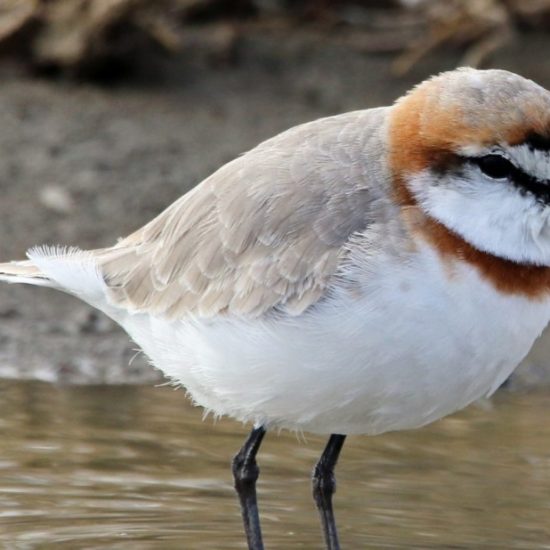
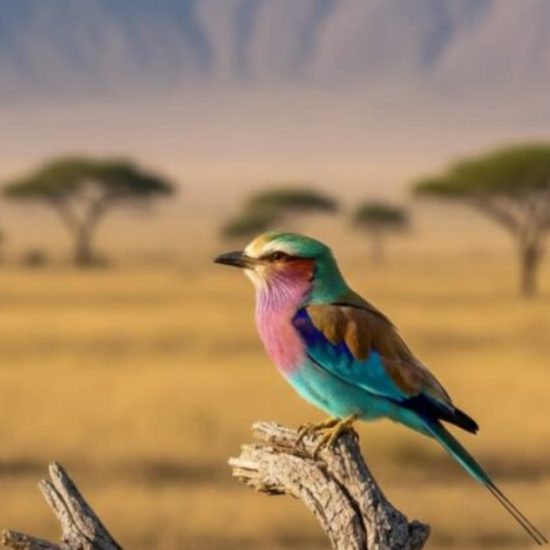
The cost to view the Shoebill from a boat in Semuliki National Park is $100 for foreign visitors, $80 for foreign residents, and UGX 100,000 for East African citizens. In addition to the Shoebill, the River Semuliki is home to a variety of other bird species, such as the forest ground thrush, piping hornbill, sassi’s olive greenbul, white crested hornbill, long-tailed hawk, lyre-tailed honeyguide, and Oberlander’s ground thrush.
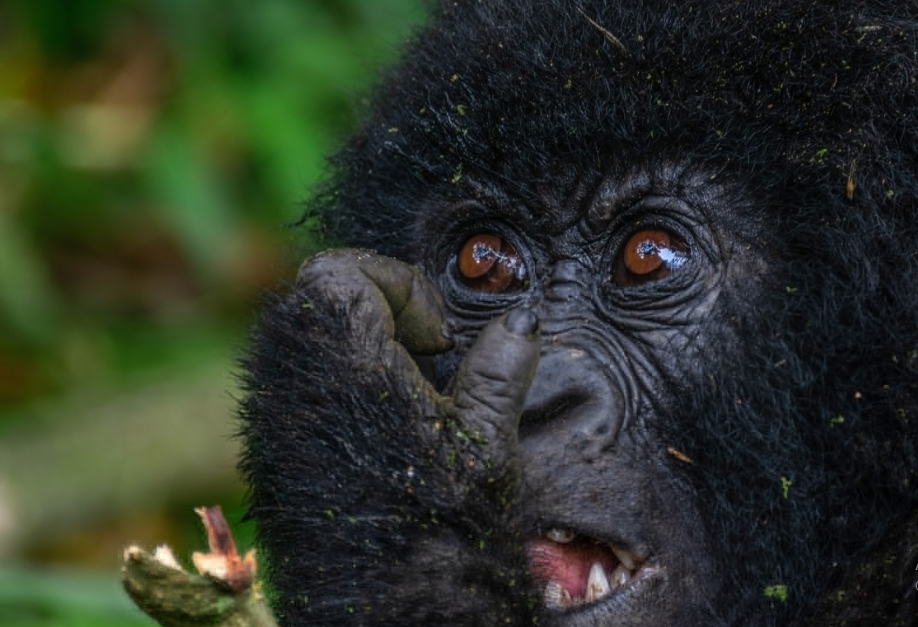
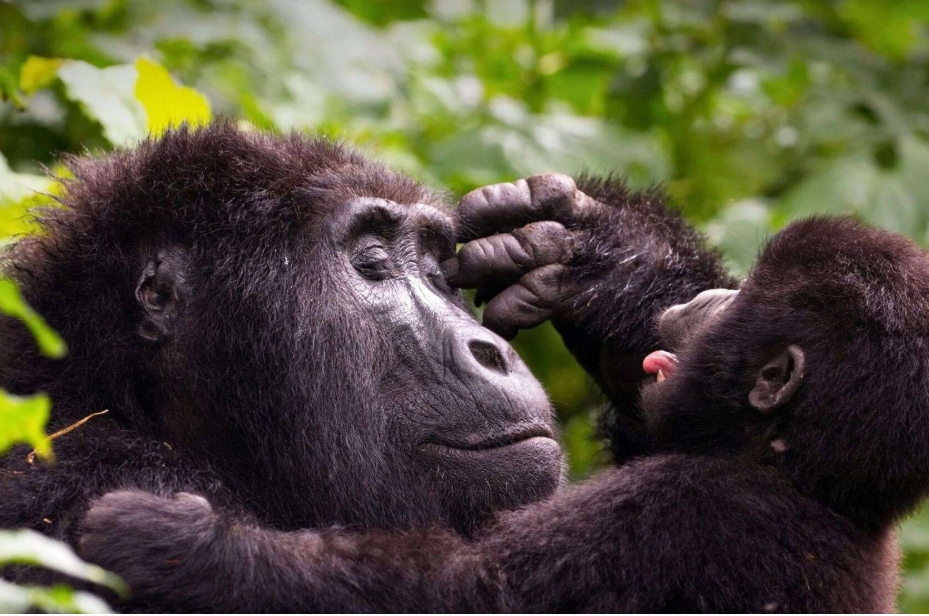
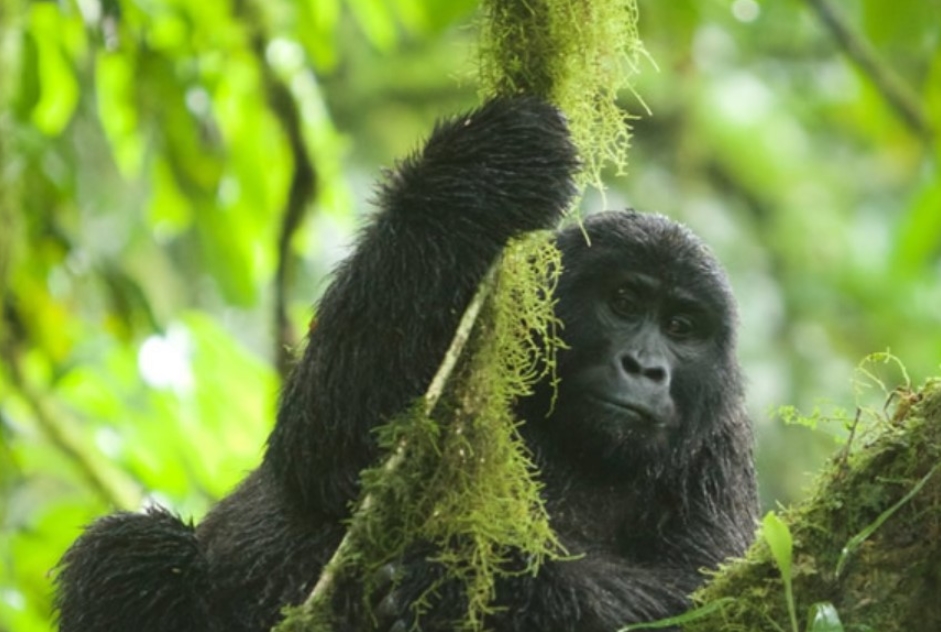
Exploring the Semuliki River:The forest buffaloes, warthogs, hippos, sitatungas, monkeys, forest elephants, duikers, and many other creatures in Semuliki National Park rely on the flora surrounding the River Semuliki for food and water. The Semuliki River’s biodiversity, which includes birds, animals, and monkeys, is what draws travellers.
In conclusion, the Semuliki River has a significant impact on Ugandan tourism. Lowland tropical forests, marshes, animals, birds, and much more have all flourished because of this river. These factors are what draw tourists to the Bundibugyo area of Semuliki National Park in western Uganda.