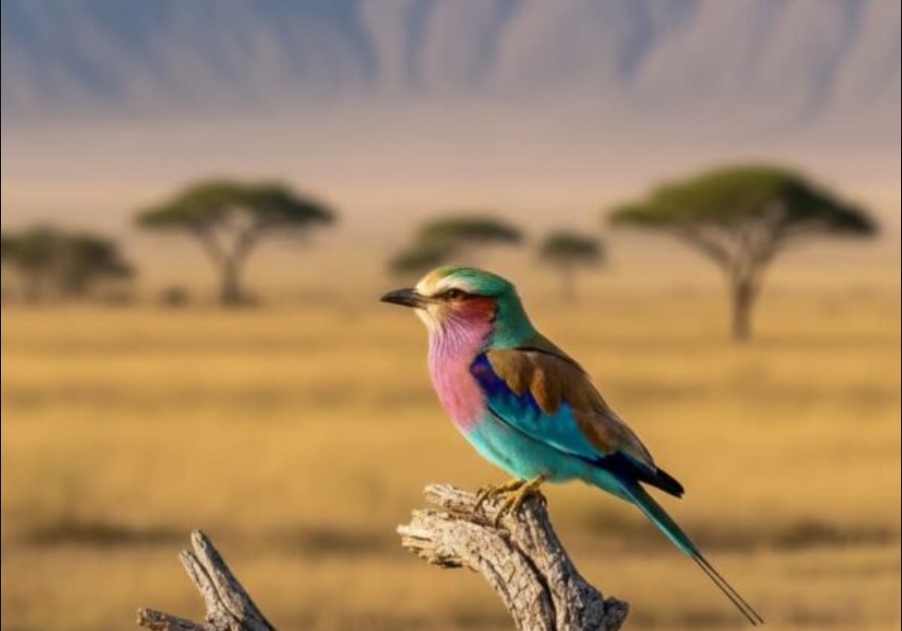
Birding Experience in Ngorongoro Crater.
Bird enthusiasts seeking an exceptional birding experience in Tanzania shouldn’t miss birding in Ngorongoro Crater. It’s one of the most interesting activities in Ngorongoro which allows bird lovers and ornithologists to explore the unique bird species in the area. It’s situated in the northern part of Tanzania about 3-4 hours drive from Arusha. Ngorongoro is blessed with over 550 bird species including forest birds, savannah birds, water birds, migratory birds, and the residents which are endemic to the area. The rich avian life is supported by the presence of diverse ecosystem which provide habitats to various bird species like swamps, savannah grasslands, woodlands, tropical rainforests, and lakes. Birding is done very early in the morning when birds are most active which provides excellent opportunities of encountering various bird species in their natural habitats. It’s a guided activity led by a knowledgeable birder who identifies bird species by listening to their melodic sounds and calls and provides more insights about their behaviours. Birding can be done through game drives in a jeep, nature walks. Walking safaris, all of which provides equal opportunities of encountering unique bird species in their natural habitants.
Birds to See on a Birding Experience in Ngorongoro Crater.
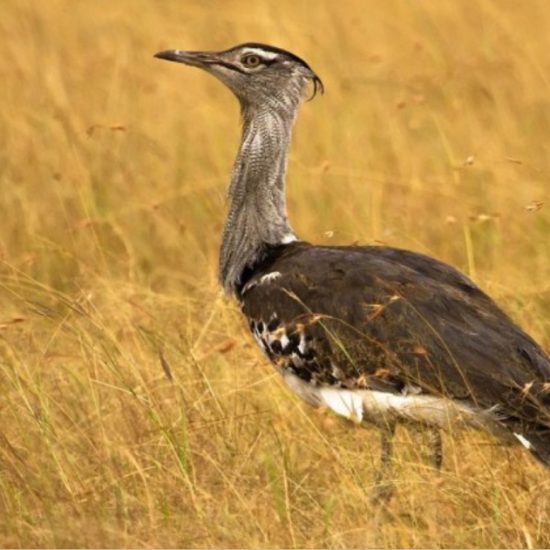
Birders will find Ngorongoro a paradise for bird watching with over 550 bird species to encounter on their birding safaris. These include Kori Bustard , Garganey, Blue-billed Teal, Cape Shoveler, Northern Shoveler, Gadwall, Eurasian Wigeon, African Black Duck, Yellow-billed Duck, Red-billed Duck, Southern Pochard, Maccoa Duck, Helmeted Guineafowl, Vulturine Guineafowl, Eastern Crested Guineafowl, Coqui Francolin, Shelley’s Francolin, Common Quail, Harlequin Quail, Hildebrandt’s Spurfowl, Scaly Spurfowl, Gray-breasted Spurfowl, Speckled Pigeon, Eastern Bronze-naped Pigeon, Lemon Dove, Dusky Turtle-Dove, Mourning Collared-Dove, Red-eyed Dove, Ring-necked Dove, Laughing Dove, Emerald-spotted Wood-Dove, Blue-spotted Wood-Dove, Tambourine Dove, Namaqua Dove, African Green-Pigeon, Secretary bird , Common Ostrich, Osprey , White-faced Whistling-Duck, Fulvous Whistling-Duck, White-backed Duck, Knob-billed Duck, Egyptian Goose, African Pygmy-Goose, Chestnut-bellied Sandgrouse, Yellow-throated Sandgrouse, Black-faced Sandgrouse, Denham’s Bustard, White-bellied Bustard, Buff-crested Bustard, Black-bellied Bustard, Hartlaub’s Bustard, Bare-faced Go-away-bird, White-bellied Go-away-bird, Eastern Plantain-eater, Purple-crested Turaco, Schalow’s Turaco, Hartlaub’s Turaco, White-browed Coucal, Black Coucal, Green Malkoha, Great Spotted Cuckoo, Pied Cuckoo, Dideric Cuckoo, Klaas’s Cuckoo, African Emerald Cuckoo, Black Cuckoo, Red-chested Cuckoo, African Cuckoo, Pennant-winged Nightjar, Eurasian Nightjar, Donaldson Smith’s Nightjar, Donaldson Smith’s Nightjar, Fiery-necked Nightjar, Montane Nightjar, Plain Nightjar, Freckled Nightjar, Slender-tailed Nightjar, Square-tailed Nightjar, Mottled Spinetail, Scarce Swift, Alpine Swift, Mottled Swift, Common Swift, Nyanza Swift, Little Swift, White-rumped Swift, Buff-spotted Flufftail, Red-chested Flufftail, Striped Flufftail, African Rail, Corn Crake, African Crake, Lesser Moorhen, Eurasian Moorhen, Red-knobbed Coot, Allen’s Gallinule, African Swamphen, Baillon’s Crake, African Finfoot, Gray Crowned-Crane, Spotted Thick-knee, Water Thick-knee, Black-winged Stilt, Pied Avocet, Black-bellied Plover, Common Ringed Plover, Little Ringed Plover, Long-toed Lapwing, Spur-winged Lapwing, Crowned Lapwing, Black-winged Lapwing, Senegal Lapwing, Chestnut-banded Plover, Greater Sand-Plover, Greater Painted-Snipe, Lesser Jacana.
What is the best time to do Birding in Ngorongoro Crater.
Birding experience in Ngororngoro Crater can be enjoyed at any time of the year and the best time is determined by traveller’s interests. It experienced two seasons the dry season and the wet season and all provide good chances of seeing birds. The wet season is the most preferred season by birders which is from March to May and October to November. This season receives enough rainfall, plants and tree species bear fruits which provides abundant food to bird species. This is the time when migratory birds travel from Asia and Europe in search of food and good weather conditions. This season allows bird enthusiasts to encounter countless bird species since they don’t move deep in search of food and it’s the breeding season of most bird species. Birders can also do birding in the dry season and during this season the tracks are dry which creates navigation easy.