Facts about Kidepo Valley National Park.
Facts about Kidepo Valley National Park: Kidepo Valley National Park is a true hidden treasure for nature lovers seeking calmness and less crowded safari destinations. It is situated in the northeastern part of Uganda in the Karamoja region, near the borders of Kenya and South Sudan. Its remote location makes it one of Africa’s most untouched wilderness national parks. This is one of the largest parks in Uganda, spanning an area of approximately 1,442 square kilometers. It was first gazetted as a northern Karamoja controlled hunting area in 1958, and it was declared a national park in 1962 to protect the African big game that existed at that time.
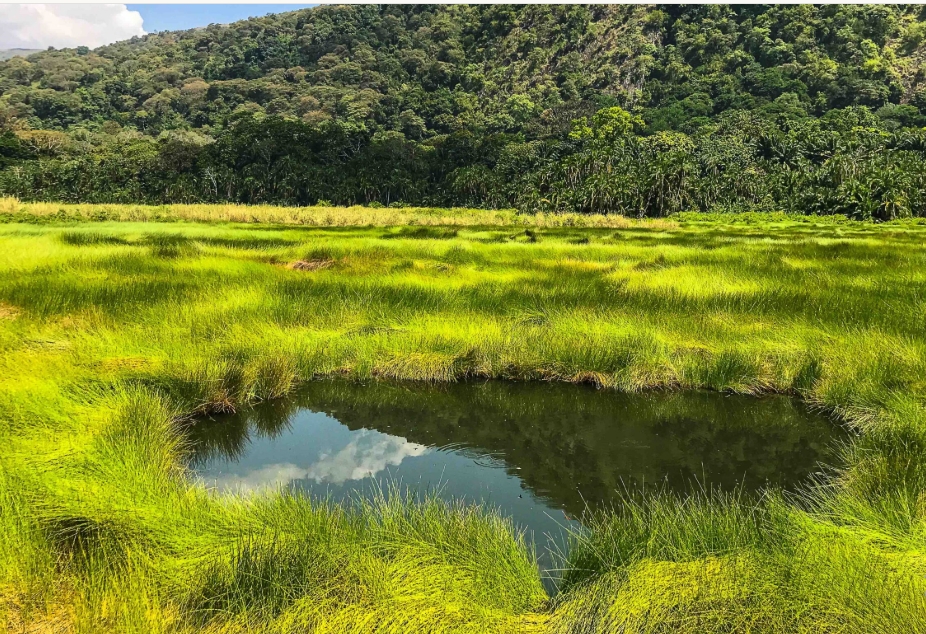
The Park derives its name from the River Kidepo, a seasonal river which flows through the park and pours into the River Nile in South Sudan for a few hours, leaving a river of sand as wide as 165 feet. The park is blessed with two rivers Narus River, which flows on the northwestern side through the southern section of Kidepo, and the Kidepo river which is a dry river. Kidepo National Park is known for its stunning views of the open savannah grasslands and rolling hills that add to its beauty.
It has a mix of ecosystems, such as savannah grasslands, acacia woodlands, riverine forests and wetlands, which provide habitats to various wildlife and bird species. It hosts over 490 bird species, 700 plant species and is surrounded by two unique communities, the Ik people and the Karamojong. The park’s rich biodiversity and its stillness attract hundreds of nature lovers to enjoy its breathtaking scenery and unique bird and animal species.
Interesting Facts about Kidepo Valley National Park.
Exceptional Wildlife Diversity.
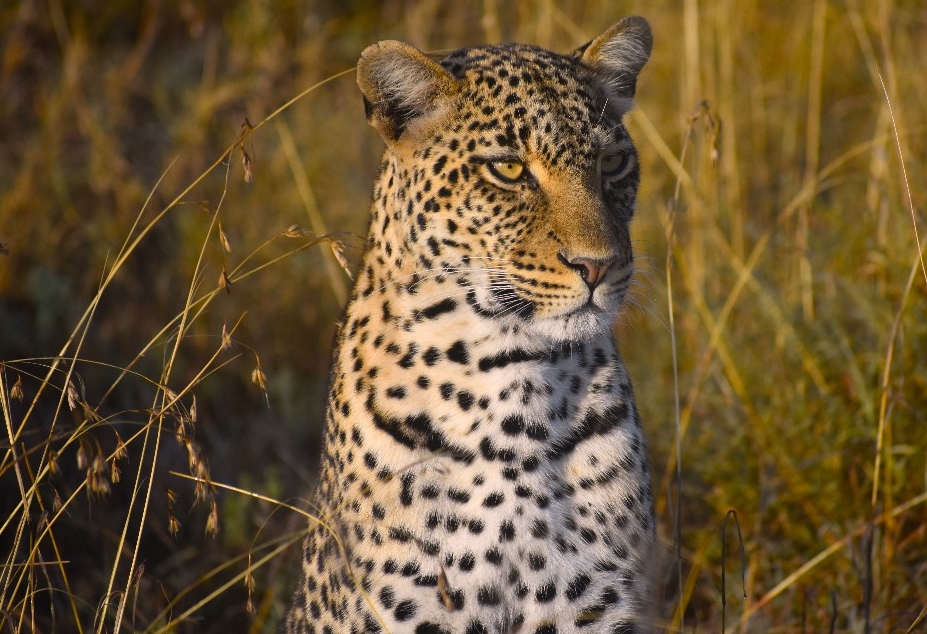
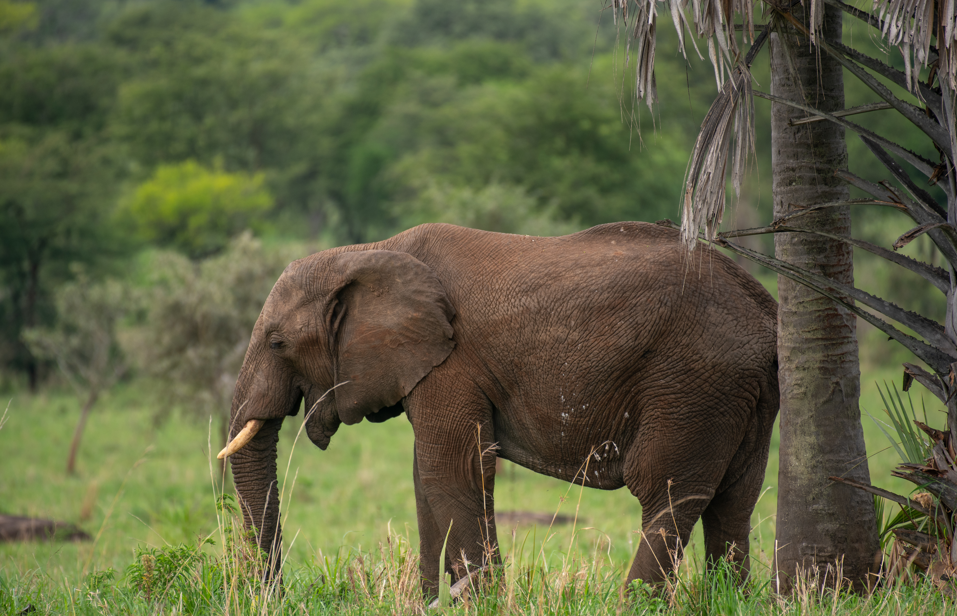
Kidepo National Park has unique natural systems that provide habitats to various wildlife species, including savannah grasslands, rolling hills, acacia woodlands, and wetlands. The park is home to over 80 mammal species, including the Big Four mammals. Examples of mammal species include lions, elephants, buffalo, elands, giraffes, oribi, waterbucks, bush babies, blue monkeys, warthogs, impalas, olive baboons, cheetahs, greater kudus, zebras, topis, caracals, pata’s monkeys, Aardwolves, bat-eared foxes, Uganda Kobs, honey badger, genets, olive baboons, bushpis, oribis, dikdiks, leopards, hyenas, serval, lesser kudu, pangolin, porcupine, greater cane rat, Rock hyrax, tree hyrax, giant forest hog, bush pig, black-backed jackal, side-striped jackal, klipspringer, duikers, bohor reedbuck, genets, Nile crocodile, African civet, ground squirrel, African wildcat, crested porcupine, African hare and more. This is the only place in Uganda where visitors can see cheetahs, caracals and aardwolves in the wild. The Narus Valley is famous for hosting a variety of wildlife and bird species because it has permanent water sources, making it the best place in the park for game drives and photography.
Rich Birdlife.
This is one of the interesting facts about Kidepo Valley National Park. It’s the second park in Uganda with the longest list of birds, up to 490 bird species residing in this park. These include birds of prey, migratory birds, savannah birds and the park’s endemic species. It’s the only place in the country where bird enthusiasts can find ostriches. Some of the birds include the Crested Francolin, Abyssinian Ground-Hornbill, Crowned Hornbill, African Grey Hornbill, Jackson’s Hornbill, Northern Red-billed Hornbill, Olive Bee-eater, Common Reed Warbler, White-throated Bee-eater, White-faced Whistling-Duck. Secretary Birds, Northern Camine bee-eaters, Abyssinian Scimitarbill, Purple Heron, Clapperton’s Francolin, Fulvous Whistling-Duck, Egyptian Goose, Garganey, Ring-necked Francolin, Orange River Francolin, Blue Quail, Harlequin Quail, Common Quail, Clapperton’s Spurfowl, Red-necked Spurfowl, Yellow-necked Spurfowl, Speckled Pigeon, Mourning Collared-Dove, Lemon Dove, Dusky Turtle-Dove, Emerald-spotted Wood-Dove, Vinaceous Dove, Laughing Dove, Ring-necked Dove, Black-billed Wood-Dove, Namaqua Dove, Blue-spotted Wood-Dove, Little Swift, Common Swift, Horus Swift, African Palm Swift, Buff-spotted Flufftail
Rich Cultural Heritage.
Facts about Kidepo Valley National Park: The park is surrounded by the Karamojong people, known for their strong cultural identity and pastoral lifestyle. Visitors can experience traditional dances, visit their homesteads, and learn about their customs and cattle-keeping traditions. The Ik people, who are known as hunter gatherer tribe living in the mountains bordering Kenya. This blend of wildlife and authentic cultural encounters makes Kidepo a truly unique safari destination.