Birding Safaris in Kidepo National Park.
Birding safaris in Kidepo National Park offer an exceptional experience for nature lovers seeking both diversity and solitude. It is located in the northeastern part of Uganda, bordering Kenya and South Sudan. It’s about 700 kilometres from Kampala, the capital city of Uganda, to the park, making it one of the least visited parks in the country. The park was named after the Kidepo River, a seasonal river which flows through the park to the River Nile in South Sudan for a few hours, leaving a river of sand as wide as 165 feet. It was gazetted as a national park in 1962 after Uganda gained its independence. Kidepo is the third largest park in the country, covering an area of about 1,442 square kilometers.
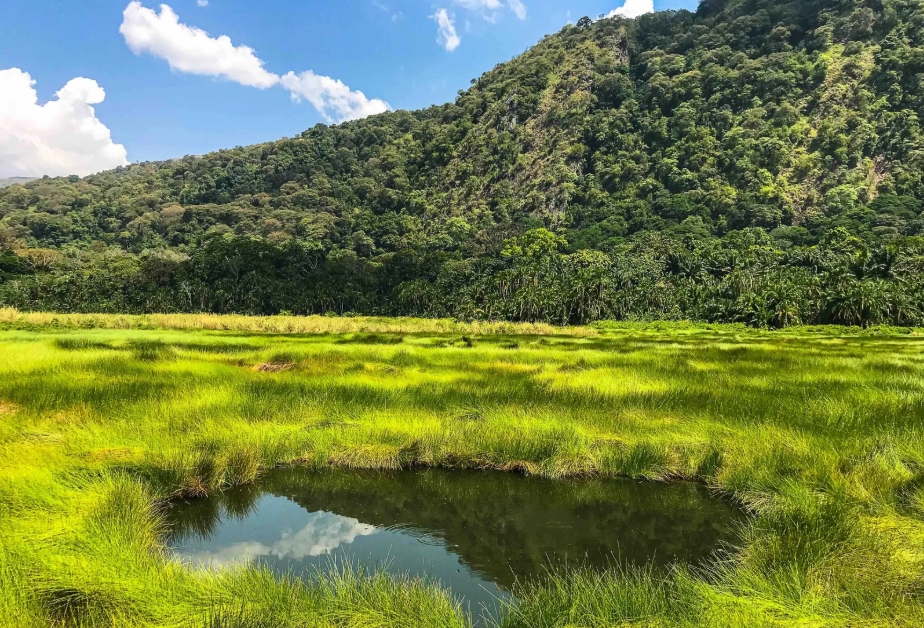
The park is known for its rich avian life, making it the second place with the highest number of bird species in Uganda after Queen Elizabeth National Park, with over 600 bird species. It has a mix of savanna grasslands, acacia woodlands, wetlands and riverine forests that provide habitats to its rich birdlife. Kidepo is home to over 480 bird species, including birds of prey, savannah birds, the park’s endemic species, migratory birds and water birds. The park has different locations where birders enjoy watching these unique bird species, like the Narus Valley, Kidepo Valley and areas around Apoka Rest Camp. With guidance from experienced local bird guides, birding safaris in Kidepo Valley National Park provide unmatched birding experiences, making it a top birding destination in the country.
Birding Safaris in Kidepo National Park.
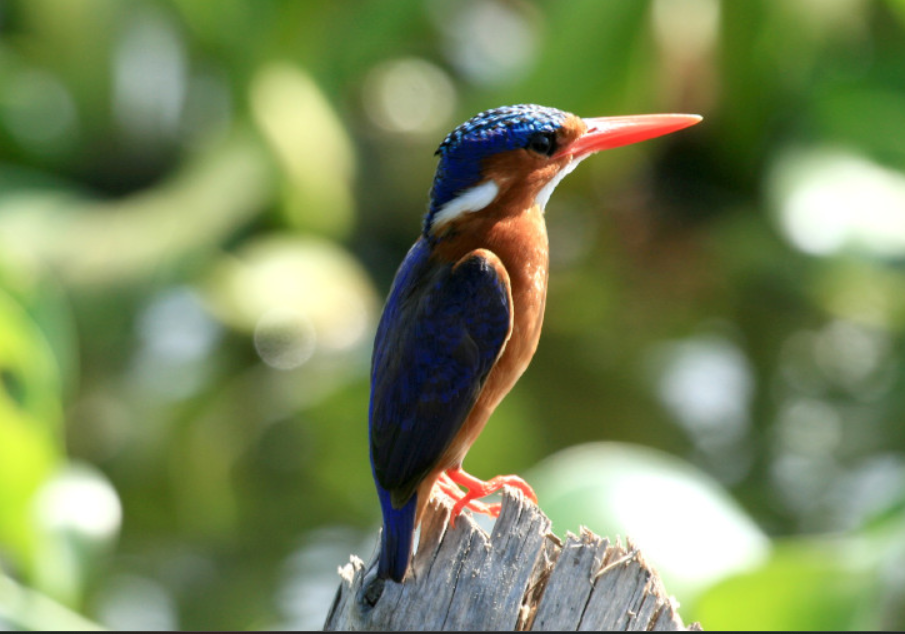
Kidepo National Park is a paradise for bird watching, which gives bird enthusiasts and ornithologists a chance to immerse themselves in hundreds of unique bird species that call this awesome park home. These can be seen while on game drives, nature walks, and all provide a unique birding experience. The birds to encounter on your birding safari in Kidepo include Northern Camine bee-eaters, Abyssinian Scimitarbill, Purple Heron, Clapperton’s Francolin, Fulvous Whistling-Duck, Egyptian Goose, Garganey, Ring-necked Francolin, Orange River Francolin, Blue Quail, Common Ostrich, African Pygmy-Goose, Knob-billed Duck, Spur-winged Goose, Helmeted Guineafowl, Western Crested Guineafowl, Stone Partridge, Crested Francolin, Abyssinian Ground-Hornbill, Crowned Hornbill, African Gray Hornbill, Jackson’s Hornbill, Northern Red-billed Hornbill, Olive Bee-eater, Common Reed Warbler, White-throated Bee-eater, White-faced Whistling-Duck. Secretary Birds, Harlequin Quail, Common Quail, Clapperton’s Spurfowl, Red-necked Spurfowl, Yellow-necked Spurfowl, Speckled Pigeon, Mourning Collared-Dove, Lemon Dove, Dusky Turtle-Dove, Emerald-spotted Wood-Dove, Vinaceous Dove, Laughing Dove, Ring-necked Dove, Black-billed Wood-Dove, Namaqua Dove, Blue-spotted Wood-Dove, Little Swift, Common Swift, Horus Swift, Black Crake, Eurasian Moorhen, African Crake, Lesser Moorhen, Gray Crowned-Crane, Black Crowned-Crane, Senegal Thick-knee, Water Thick-knee, Spotted Thick-knee, Pied Avocet, Black-winged Stilt, Black-winged Stilt, Black-headed Lapwing, Three-banded Plover, Long-toed Lapwing, Wattled Lapwing, Crowned Lapwing, Spur-winged Lapwing, Little Ringed Plover, Greater Painted-Snipe, Lesser Jacana, African Jacana, Marsh Sandpiper, Common Sandpiper, African Snipe, Green Sandpiper, Curlew Sandpiper, Small Buttonquail, Black-rumped Buttonquail, Bronze-winged Courser, Temminck’s Courser, Gull-billed Tern.
Other bird species to encounter on birding safaris in Kidepo Valley National Park include, African Palm Swift, Buff-spotted Flufftail, White-spotted Flufftail, African Rail, Lesser Moorhen, Allen’s Gallinule, Purple Heron, Yellow-billed Egret, Hamerkop, Pink-backed Pelican, Osprey, Bruce’s Green-Pigeon, Four-banded Sandgrouse, Denham’s Bustard, White-bellied Bustard, Hartlaub’s Bustard, Black-bellied Bustard, Buff-crested Bustard, Great Blue Turaco, White-bellied Go-away-bird, Bare-faced Go-away-bird, White-winged Tern,Little Grebe, African Openbill, African Woolly-necked Stork, Yellow-billed Stork, Saddle-billed Stork, Abdim’s Stork, Black Stork, Reed Cormorant, African Sacred Ibis, Hadada Ibis, African Sacred Ibis, Black-crowned Night Heron, Dwarf Bittern, Western Cattle-Egret, Black-headed Heron, Gray Heron, Western Cattle-Egret, Little Bittern, Ross’s Turaco, Eastern Plantain-eater, Black-throated Coucal, Senegal Coucal, Great Spotted Cuckoo, Red-chested Cuckoo, Pied Cuckoo, Levaillant’s Cuckoo, Standard-winged Nightjar, Fiery-necked Nightjar.
Best time to do Bird watching in the park.
The park is open throughout the year for birding safaris, allowing visitors to explore its avian treasures at any time. However, based on feedback from previous travelers, the best time for birding safaris in Kidepo National Park is during the dry season, which is considered peak season. This period runs from June to September and again from December to February. During these months, the tracks are dry, which makes them easier to navigate. Additionally, there is little to no rainfall, and the vegetation is less dense, providing clearer views of the various bird species in the park.
On the other hand, the wet season, which spans from March to May and October to November, also offers excellent opportunities for birdwatching in Kidepo National Park. Though this period is typically referred to as low season due to heavy rainfall and dense vegetation, it can still be rewarding. The birding trails can be muddy and slippery, making access to some spots more challenging. However, this is the best time of the year when migratory birds come to the park in search of food and good weather conditions.