Nature Walks in Kidepo Valley National Park.
Nature walks in Kidepo Valley National Park are among thrilling safari activities that allow nature lovers to fully immerse themselves in the park’s scenic views and its rich biodiversity on foot. It is located in the semi-arid region of Karamoja, bordering Kenya to the east and South Sudan to the northeast. It’s one of the least explored parks in the country, but it is known for its rich, unique wildlife and bird species. It’s about 700 kilometers from Kampala, the capital city of Uganda, to the park, and it’s one of the best scenic journeys that allows travellers to explore the wonders of the countryside.
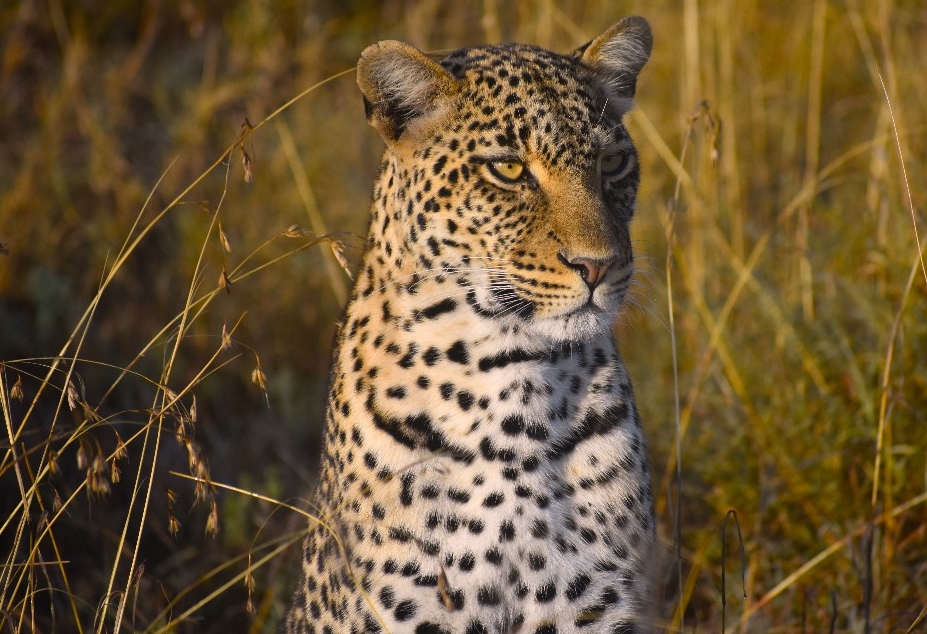
Kidepo Valley National Park was gazetted as a national park in 1962 after Uganda gaining it’s independence to protect the Big game that existed in the park at that time. The park is home to over 77 mammal species, and 28 species are only found in this awesome park. Some of these mammals include caracals, cheetahs, kudus, bat-eared foxes, striped hyenas, aardwolves, elephants, buffaloes, Guenther’s Dik-Dik, lions, leopards, zebras, giraffes, Uganda Kobs, and more. It has up to 480 bird species, including migratory birds, water birds, savannah birds and the park’s endemic species. Kidepo is the only place in Uganda where bird lovers can see the common ostriches.
Nature Walks Experiences in Kidepo Valley National Park.
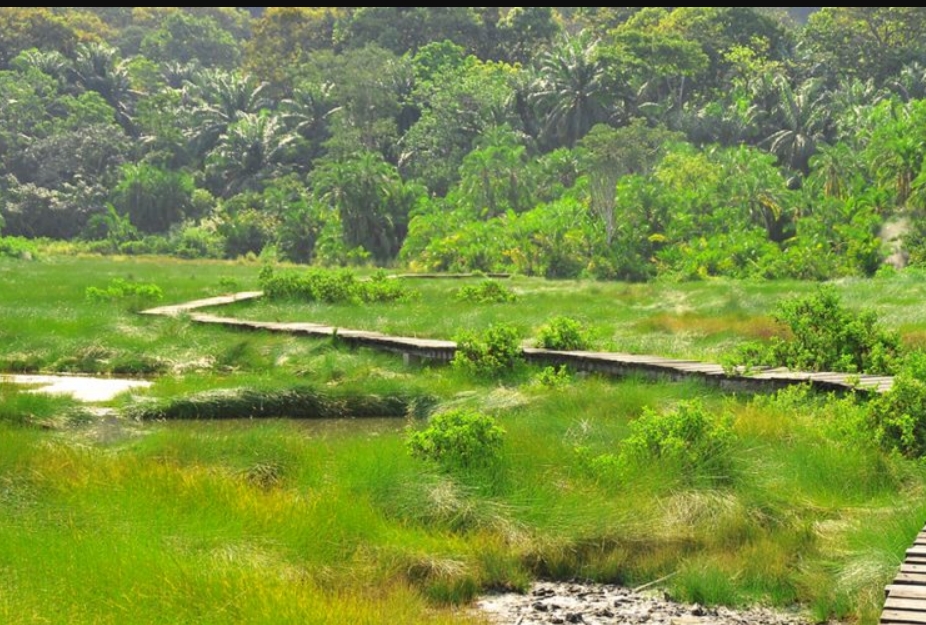
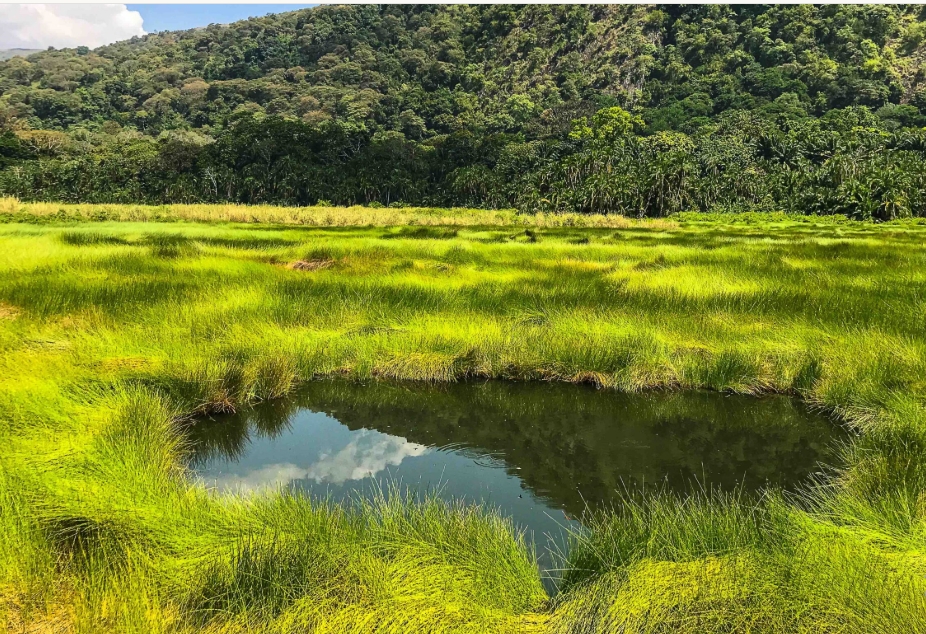
Nature walks in Kidepo Valley National Park are among the best safari activities that give travellers a chance to explore the open savannah grasslands and woodlands and enjoy the breathtaking views of the park while on foot. This is a guided activity led by an armed park ranger who ensures participants’ safety and a knowledgeable park guide who gives more insights about the park’s inhabitants that you might encounter. Nature walks are best done in the morning or evening hours, and they begin with a briefing at the park’s head office about the rules and don’ts of the activity.
The park has various areas which are suitable for nature walks, with rich wildlife and birdlife, such as areas around the Apoka Rest Camp, Narus Valley, which is known for its permanent water sources and high concentration of wildlife species, Lonyilli Mountain, and Morungole Mountain. Travellers will have a chance to see different plants and tree species, animals like zebras, bushbucks, oribis, waterbucks, jackson’s hartebeests, buffalo, warthogs, bat-eared foxes, side-striped jackals, and rock hyraxes, among others. Bird lovers will be delighted by hundreds of different bird species, including Abyssinian Ground-Hornbill, Crowned Hornbill, African Grey Hornbill, Jackson’s Hornbill, Northern Red-billed Hornbill, Olive Bee-eater, Common Reed Warbler, Eurasian Moorhen, African Crake, Lesser Moorhen, Grey Crowned-Crane, Black Crowned-Crane, and more
Nature enthusiasts shouldn’t miss visiting Kanangorok Hot Springs, a small collection of pools that bubble away with the heat of an ancient volcano. It offers exceptional safari experiences to travellers visiting the park, it’s just a short walk away from the International border between Uganda and South Sudan.
Best Time Visit the Park.
The park is open year-round, and the best time to do nature walks in Kidepo Valley National Park differs from traveller’s interests. It experiences two seasons: the dry season and the wet season. The dry season is the most preferred period by travellers, which runs from June to September and December to February. During this period, the park receives little to no rainfall, and the park is less muddy, which makes it easy to penetrate. The vegetation cover is short and scattered, which enables travellers to clearly see wildlife and bird species. Travellers can also do nature walks during the wet season, which runs from October to November and March to May. During this season, the park receives enough rainfall, and it’s slippery and muddy, making it challenging to penetrate.