When was Kibale National Park Established
When was Kibale Forest National Park Established: The park was established in 1993 to protect a large forest area, previously a logged reserve. It connects with Queen Elizabeth National Park, forming a 180-kilometer wildlife corridor. This site is important for ecotourism and safaris, featuring habituated chimpanzees and other primate species. It hosts the Makerere University Biological Field Station.
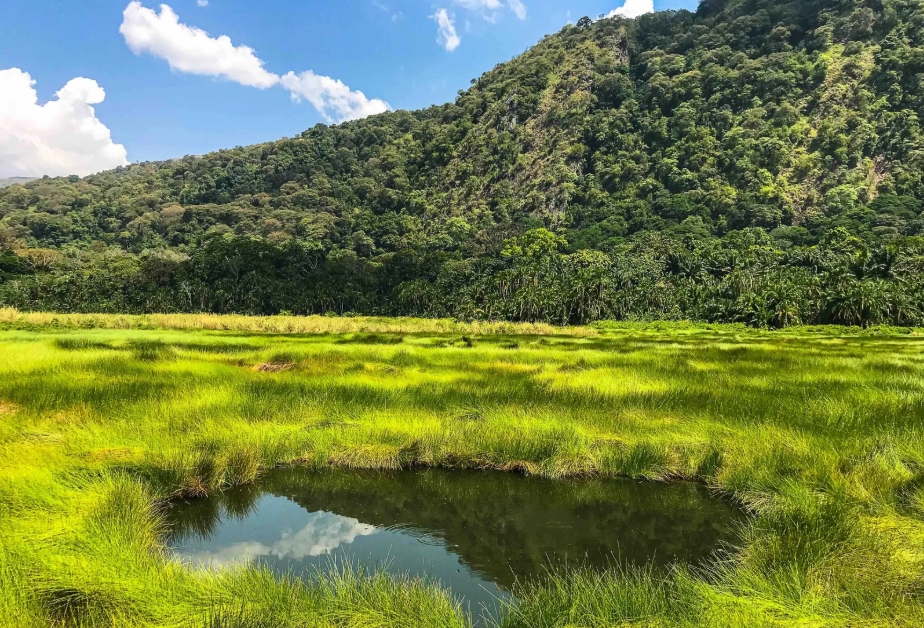
Kibale National Park is located in western Uganda and covers 766 square kilometers. It features a moist evergreen rainforest with elevations between 1,100 and 1,600 meters. The park has various landscapes and is one of the few areas left with both lowland and montane forests in eastern Africa.
The forest was designated as a royal forest logged reserve in 1932 by British colonialists, who aimed to restore it and use it for hardwood. After the hardwood supply decreased, they began planting exotic trees to meet the increasing demand for wood. From 1948 to 1950, Kibale Forest Reserve was heavily used for timber, particularly hardwood, due to a construction project at the Kilembe Mines.
They harvested wood from both the exotic trees they planted and the natural forest. Eventually, the forest was declared a reserve, and in 1993, it became Kibale National Park to protect its diverse ecosystem, including many tree, plant, and animal species, especially primates.
In 1994, Uganda National Parks assumed responsibility for the park’s conservation alongside other organizations. The merger of the state body overseeing Kibale National Park with Uganda’s game department led to the formation of the Uganda Wildlife Authority, an independent body dedicated to managing Uganda’s wildlife and natural resources.
Their efforts have helped establish Uganda as a prominent tourist destination in Africa, particularly known for its endangered mountain gorillas. To restore Kibale Forest and reduce pressure from local people, over 13,000 residents were relocated to Kibaale District in 1992.
Many had practiced harmful activities like deforestation, hunting, and poor farming. In 1993, chimpanzee trekking activities were started at Kanyanchu Centre, later expanded to other locations like Buraiga, allowing visitors to enjoy unforgettable experiences while observing these primates.
Why named the primate capital of the world
Kibale Forest National Park is known for having the most primate species, with over 13 types of resident primates. It has the largest number of chimpanzees, over 1,450, making it a popular tourist spot. Other primates found in the park are the L’hoest monkey, blue monkey, red-tailed monkey, and olive baboons, among others.
Kibale National Forest is famous for having many different types of primates, including endangered chimpanzees, red colobus monkeys, and the rare L’Hoest’s monkey. There are 13 species of primates in the park, which also houses communities of common chimpanzees and other monkeys like the Uganda mangabey and the blue monkey. The park is home to elephants that move between Kibale and Queen Elizabeth National Park.
Other mammals include different types of duikers, bushbucks, and African buffalo, while carnivores like leopards, African golden cats, and lions are also present. Additionally, the park is rich in bird life with 325 species, including the olive long-tailed cuckoo and the endemic Kibale ground thrush.
Primates- When was Kibale Forest National Park Established
Kibale National Forest is home to many primate species, which thrive in less disturbed areas of the forest. Some disturbances, like logging, negatively impact these species, although some studies show mixed results. While many primates are found less often in logged areas, others remain unaffected.
Degraded lands, created by clearing land for agriculture and then abandoning it, are recovering at various rates, and their impact on primates is not fully understood yet. Most primates are spread evenly across the forest, regardless of agricultural activity. Different primate species have various diets; for example, mantled guerezas prefer younger leaves because they are higher in protein and easier to digest.
Activities
Kibale National Park is known for chimpanzee trekking and is a great spot for birdwatching. It features unique bird species such as the Red-faced Woodland Warbler, Narina Trogon, Hairly-breasted Barbet, Yellow Mantled Weaver, Green-breasted Pitta, Blue-breasted Kingfisher, Red-chested Qwlet, Afep Pigeon, and Blue-headed Sunbird. Other activities include nature walks, community experiences, forest walking safaris, and Crater Lake exploration.
What is the best time to visit Kibale Forest National Park
The best time to visit Kibale National Park is during the dry season which kicks off from December to mid March and from June to mid August towards September. These months are ideal for visitors planning to conduct their safaris in Kibale National Park, since it’s the time when there is little to no rainfall leading to dry roads and trekking trails. The vegetation cover is always thin and clear offering clear wildlife views.