How Kibale National Park Boost Local Communities through Tourism
How Kibale National Park Boost Local Communities through Tourism: The park is inhabited by two major tribes, the Bakiga and the Batooro, who reside in the park areas. They benefit from the park both domestically and economically, and some of these resources include fuel, food, medicine, and others, with the help of the Uganda Wildlife Authority, which is responsible for monitoring and managing the park’s resources. In the last century, the park population has increased sevenfold. This is speculated to be because through the tourism industry, the park directly creates jobs and brings in revenue to the near by communities.
In addition, many farmers around the park believe that the soil is condusive for crop growing throughout the year, hence an increase in resident famers. This increase in population has led to the area around the park being divided and developed, into productive plantations and farmland. However, the demand for firewood highly exerts pressure on the park’s wildlife habitat. Cutting down trees for fuel has already strained many of the forest areas outside Kibale National Park.
Travel to Kibale National Park in western Uganda to visit the local communities and see their role in conserving the park and its wildlife. The main local groups include the Batooro and Bakiiga, along with other tribes like the Bakonjo, Banyankole, and Bafumbira. These communities mainly rely on subsistence agriculture, growing crops such as sugarcane, sweet potatoes, bananas, and groundnuts.
On a guided walking tour, you can explore tea and banana plantations. You will actively participate in tea harvesting and see how it is processed, with an opportunity to enjoy fresh tea at the source. You will also learn about the Batooro’s lifestyle and their long-standing connection to the area and Kibale Forest, including its resources like herbal medicine and ecotourism. The Batooro will share their loyalty to the Tooro Kingdom and their king, Omukama Oyo Nyimba Kabamba Iguru. Expect entertainment through traditional music, folklore from elders, and the chance to buy handmade crafts as souvenirs.
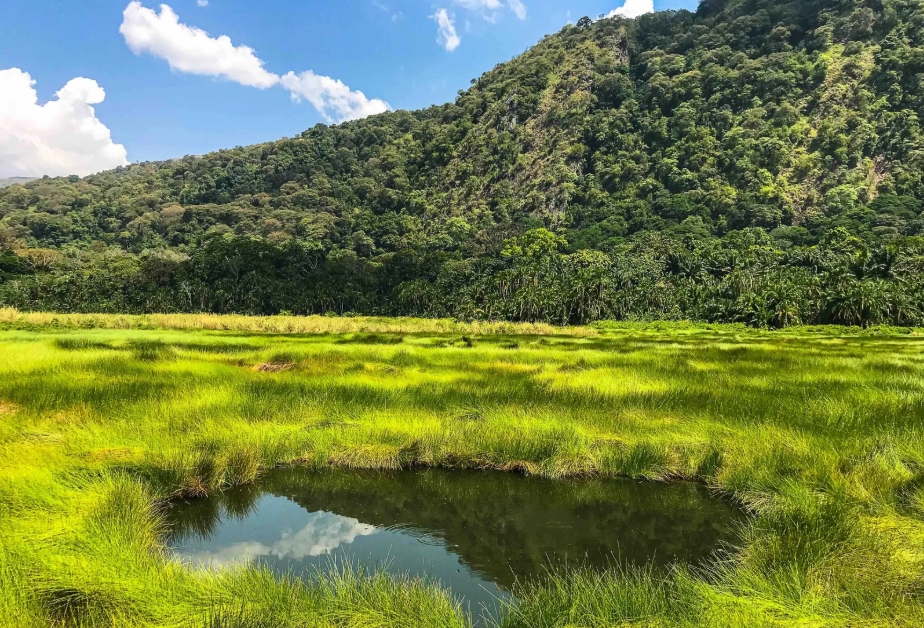
How Kibale National Park Boost Local Communities through Tourism: Kibale National Park covers about 795 square kilometers in the Albertine Rift region, located 24 km east of the Rwenzori ranges and 20 km northwest of Fort Portal. It was established as a national park in 1993, having previously been a crown forest since the 1930s. The park is known for its rich biodiversity and features various habitats, including dry and wet tropical rainforests, grasslands, and swamps.
What makes Kibale Forest National Park Unique
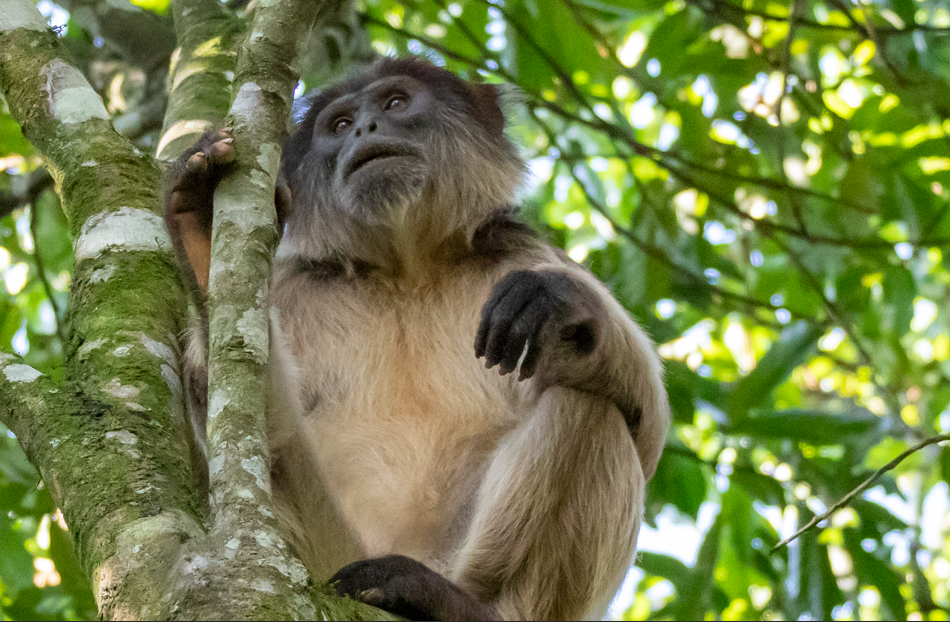
It hosts over 351 tree species, 13 primate species, 71 mammal species, and around 372 bird species. Notable mammals include forest elephants, leopards, and various monkeys. The primate species range from common chimpanzees to olive baboons. Additionally, Kibale is an Important Bird Area, home to many endemic and threatened bird species, such as the crowned eagle and grey parrot.
Uganda has a high concentration of chimpanzees, with around 1,450 individuals, particularly in Kibale Forest National Park. Here, experienced ranger guides assist visitors in tracking chimpanzees from the park headquarters in Kanyanchu. Kibale is famous for its chimpanzee trekking and habituation experiences, hosting seven chimpanzee families. The chances of spotting these chimps during safaris are very high at 98%. The Kanyantale group, established in 1993, is a popular attraction, while other groups are set aside for research, including Ngogo, which has over 200 gorillas.
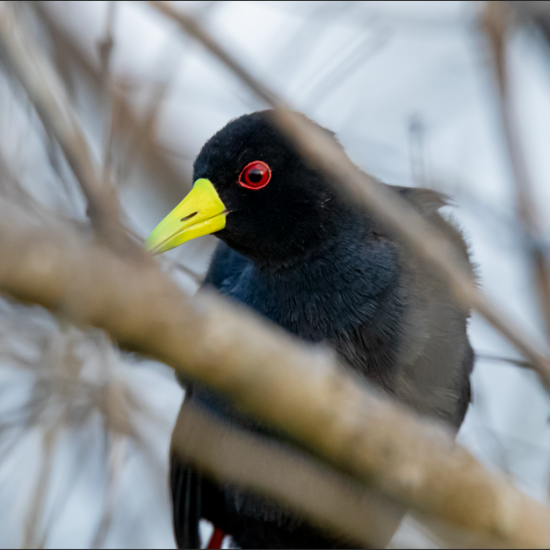
In addition to chimpanzees, Kibale is a great spot for birdwatching, featuring over 375 bird species, including unique Central African birds. Notable species include the Green-breasted Pitta, Red-chested Owlet, and more, with birding excursions conducted along forest trails and at locations like the Bigodi Wetland Sanctuary.
After exploring Kibale, travelers can easily visit other nearby parks, such as Queen Elizabeth National Park and Semuliki National Park, which are just a short drive away. Overall, Kibale offers an exciting adventure for both primate lovers and birdwatchers.
How to access Kibale Forest National Park
How Kibale National Park Boost Local Communities through Tourism: Travel to Kibale National Park to meet local communities by road. It is about 320 kilometers from Kampala, taking 5-6 hours through scenic routes via Mubende, Kyenjojo, and Fort Portal. The journey is exciting with private transportation and a skilled driver. You can hire a car from a reputable tour operator like Caracal Explorers, which offers various vehicles, including 4-wheel drives for rugged terrain, saloon cars, minivans, and buses, all driven by knowledgeable guides who speak English.
Kibale can also be reached from other parks, such as Murchison Falls (360 km) and Queen Elizabeth (150 km). Air travel is an option too, with flights from Entebbe International Airport to Kasese Airstrip lasting between 1 hour and 10 minutes to 3 hours. A driver guide will meet you there for the transfer to Kibale Park, 100 km away.
What is the best time to visit Kibale National Park
Visiting these communities is possible year-round since they are permanent residents. However, it is better during the dry season, from late December to February and June to July, when access is easier and rain is less frequent.