Birds in Queen Elizabeth National Park.
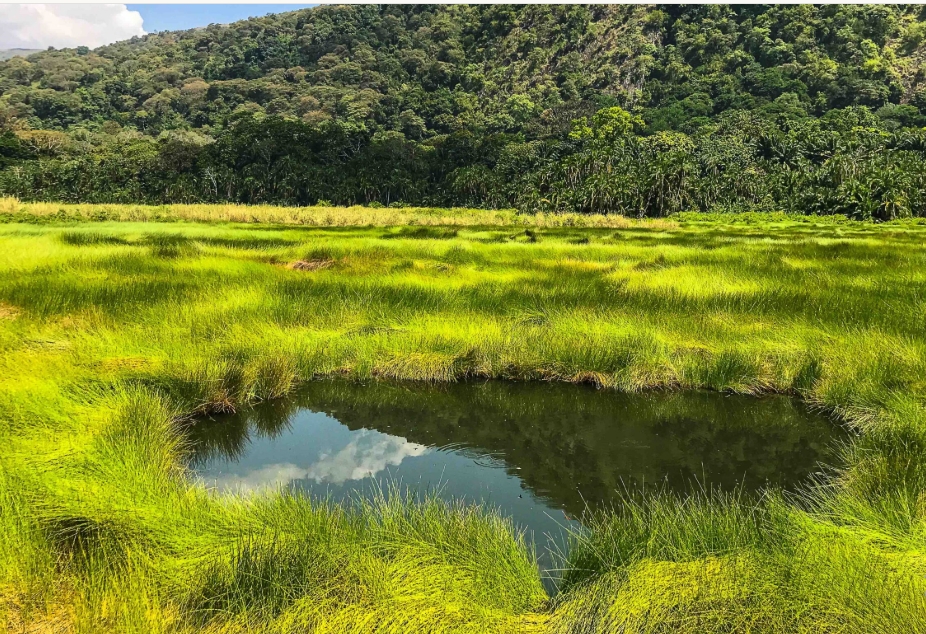
Birds in Queen Elizabeth National Park: Queen Elizabeth National Park is a premier destination for bird watching in Uganda, located in the southwestern region of the country. It is classified as an Important Bird Area by BirdLife International due to its rich birdlife. Queen Elizabeth National Park is the second-largest national park in Uganda, after Murchison Falls National Park, covering an area of approximately 1978 square kilometres. It hosts various natural systems such as swamps, tropical forests, savannah grasslands, woodlands and lakes, which provide a habitat to various bird species.
It is home to over 600 bird species, making it the best park in East Africa for hosting the highest number of bird species, including migratory birds, forest birds, savannah birds, water birds and those endemic to the park. It has unique birding sites with amazing bird species such as Kyambura Gorge, Kazinga Channel, Maramagambo Forest, Mweya Peninsula, Katungulu Bridge, and the Katwe area. The park is not only famous for its rich birdlife but also home to over 97 mammal species, 10 primate species, and the Kazinga channel, which is a waterway which connects Lake Edward and Lake Albert.
Birds in Queen Elizabeth National Park.
- Great Blue Turaco
- Shoebill Stork
- African Pygmy-Goose
- White-faced Whistling-Duck
- Yellow-billed Duck
- Blue-billed Teal
- Great Blue Turaco
- Grey-crowned crane
- Long-crested Eagle
- Black and white Casqued Hornbill
- Bateleur
- Pied Avocet
- White-backed Duck,
- Black-bellied Plover
- Knob-billed Duck
- Egyptian Goose
- Spur-winged Goose
- Blue-billed Teal
- African Black Duck
- Yellow-billed Duck
- Red-billed Duck
- Northern Pintail
- Green-winged Teal
- Helmeted Guineafowl
- Western Crested Guineafowl
- Nahan’s Partridge
- Crested Francolin
- Coqui Francolin
- Harlequin Quail
- Common Quail
- Blue Quail
- Red-winged Francolin
- Ring-necked Francolin
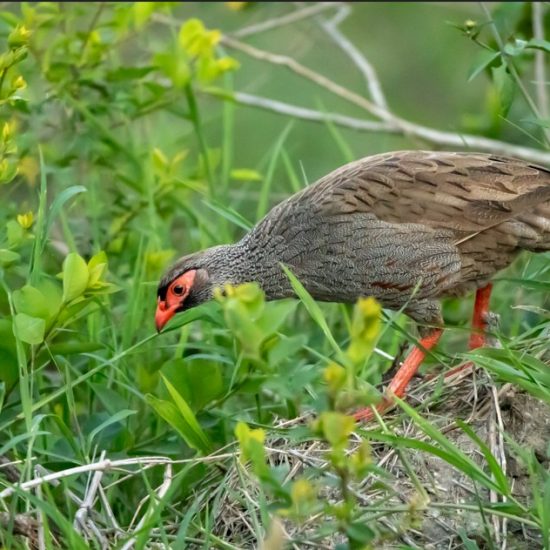
- Red-necked Spurfowl
- Scaly Spurfowl
- Hildebrandt’s Spurfowl
- Handsome Spurfowl
- Rock Pigeon
- Speckled Pigeon
- Afep Pigeon
- Rameron Pigeon
- Western Bronze-naped Pigeon
- Red-eyed Dove
- Mourning Collared-Dove.
- Dusky Turtle-Dove
- White-naped Pigeon
- Ring-necked Dove
- Vinaceous Dove
- Laughing Dove
- Blue-spotted Wood-Dove
- Black-billed Wood-Dove
- Emerald-spotted Wood-Dove
- Blue-spotted Wood-Dove
- Tambourine Dove
- African Green-Pigeon
- Black-bellied Bustard
- Denham’s Bustard
- Eastern Plantain-eater
- Bare-faced Go-away-bird
- Rwenzori Turaco
- White-crested Turaco
- Black-billed Turaco
- Black-tailed Godwit
- Black-throated Coucal
- Blue-headed Coucal
- White-browed Coucal
- Olive Long-tailed Cuckoo
- Levaillant’s Cuckoo
- Dideric Cuckoo
- Olive Long-tailed Cuckoo
- Dusky Long-tailed Cuckoo
- Slender-tailed Nightjar
- Plain Nightjar
- Olive Long-tailed Cuckoo
- Pennant-winged Nightjar
- Nubian Nightjar
- Common Cuckoo
- Red-chested Cuckoo
- Pied Cuckoo
- Freckled Nightjar
- Dideric Cuckoo
- Blue-headed Coucal
- Great Spotted Cuckoo
- Montane Nightjar
- African Emerald Cuckoo
- Black Cuckoo
- Dideric Cuckoo
- Alpine Swift
- Cassin’s Spinetail
- Alpine Swift
- Mottled Swift
- Common Swift
- Little Swift
- African Crake
- Lesser Moorhen
- African Swamphen
- Red-knobbed Coot
- Horus Swift
- Gray-throated Rail
- African Finfoot
- Spotted Thick-knee
- Eurasian Thick-knee
- Pied Avocet
- Senegal Thick-knee
- Forbes’s Plover
- Crowned Lapwing
- Common Ringed Plover
- Long-toed Lapwing
- Caspian Plover
- Pacific Golden-Plover
- Three-banded Plover
- Brown-chested Lapwing
- Kittlitz’s Plover
- Green Sandpiper
- Terek Sandpiper
- Green Sandpiper
- Common Greenshank
- Dunlin
- Black-rumped Buttonquail
- Rock Pratincole
- Black-winged Pratincole
- Marabou Stork
- Black Heron
- Slender-billed Gull
- Greater Flamingo
- Reed Cormorant
- Great Crested Grebe
- Ruddy Turnstone
- Great Snipe
- Lesser Jacana