What to do After Gorilla Tracking in Volcanoes National Park.
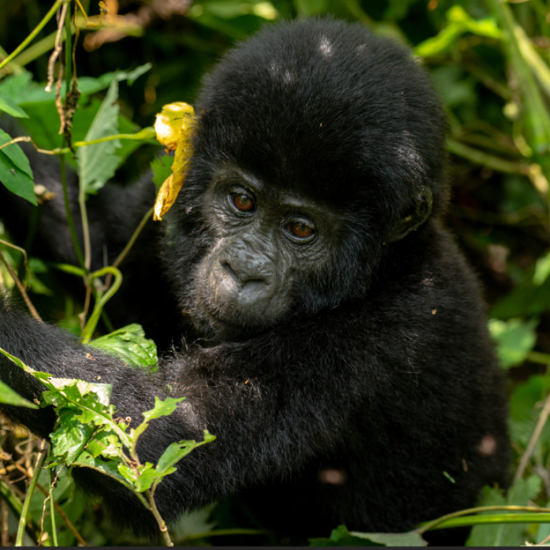
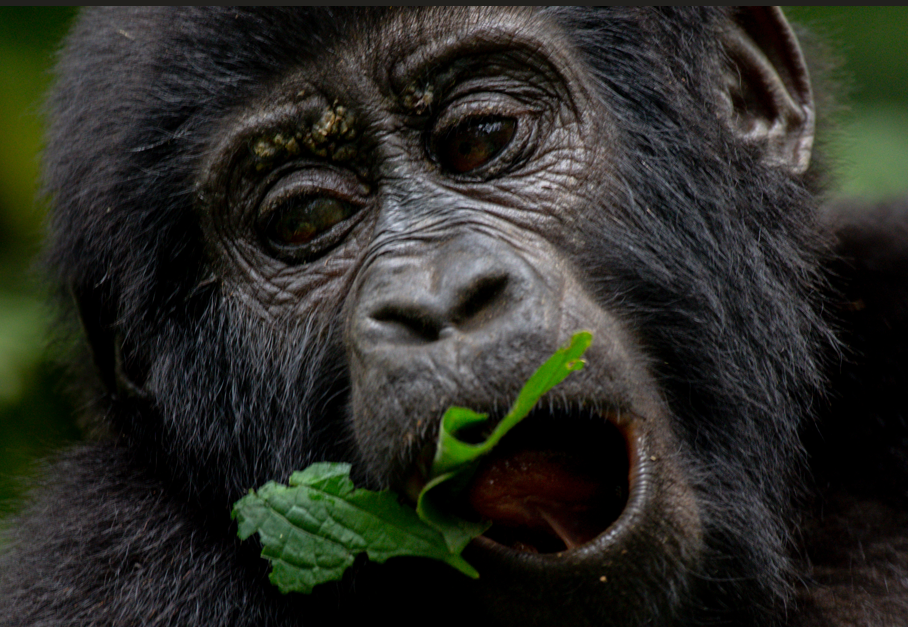
What to do After Gorilla Tracking in Volcanoes National Park: Are you planning your gorilla safari and looking for what to do after gorilla trekking in Volcanoes National Park? Look no further, this blog will discuss things to do after trekking. Volcanoes National Park is one of the most sought-after safari destinations in East Africa, famous for hosting the endangered mountain gorillas, which draws thousands of travellers to come and see them in their natural habitats. The park is situated in the northern part of Rwanda, bordering Uganda and DR Congo. It’s the smallest national park in the country, covering an area of about 160 square kilometres. Gorilla Trekking in Volcanoes National Park is a rewarding safari activity which involves hiking through the dense forest in search of the endangered mountain gorillas, and this is a guided activity led by an experienced park guide who gives more information about the park’s inhabitants encountered. The minimum age for trekking is 15 years, since it involves hiking through the steep slopes. Participants are strictly given one hour to be with gorillas and learn more about their behaviours. They will see them feeding, playing, grooming and interacting with each other, which is one in a lifetime experience that shouldn’t be missed by primatologists and nature lovers.
What to do After Gorilla Tracking in Volcanoes National Park.
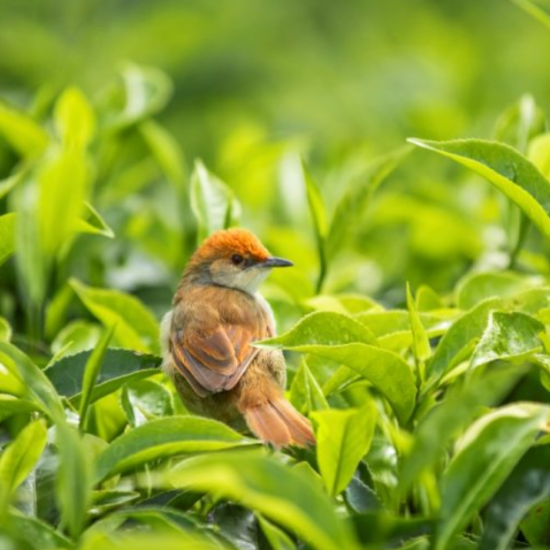
Bird Watching.
This is one of the most interesting things to do in Volcanoes National Park, that give travellers a chance to explore the park’s unique bird life. It’s blessed with over 236 bird species, including 17 Albertine Rift endemics, forest birds, water birds, park’s endemic species and migratory birds. Bird watching is best done during the morning hours when birds are more active, and it’s a guided activity led by an experienced park birder who assists visitors by identifying various birds by their calls and sounds and gives more information about the bird species encountered. The birds to encounter in the park include Mourning Collared Dove, Red-eyed Dove, Ring-necked Dove, Laughing Dove, African Green Pigeon, Tambourine Dove, Scarce Swift, African Palm Swift, Alpine Swift, White-rumped Swift, Little Swift, African Swift, Blue-headed Coucal, Levaillant’s Cuckoo, Klaas’s Cuckoo, African Emerald Cuckoo, Diederick Cuckoo, Collared Sunbird, Blue-headed Sunbird, Olive Sunbird, Scarlet-chested Sunbird, Bronzy Sunbird, Malachite Sunbird, Olive-bellied Sunbird, Scarlet-tufted Sunbird, Regal Sunbird, Northern Double-collared Sunbird, Red-chested Sunbird, Variable Sunbird, Copper Sunbird, Yellow Bishop, Fan-tailed Widowbird, Archer’s Ground Robin,Red-faced Woodland Warbler, Yellow-billed Stork, European White Stork, Pink-backed Pelican, Hamerkop, Brown-throated Wattle-eye, Black-throated Wattle-eye, Lagden’s Bush-shrike, Northern Puffback, Brown-crowned Tchagra, Albertine Sooty Boubou, Mountain Sooty Boubou, Doherty’s Bush-shrike, Lühder’s Bush-shrike, Fork-tailed Drongo, Augur Buzzard, Eurasian Buzzard, Mountain Buzzard, Common Barn Owl, African Long-eared Owl, Speckled Mousebird, Crowned Hornbill.
Golden Monkey Tracking.
This is one of the most amazing things to do after gorilla trekking in Volcanoes National Park. It allows nature lovers and primatologists to have a close encounter with these playful monkeys. Golden monkeys are Albertine Rift endemics, which are only found within the Albertine region, and Volcanoes is one of the few places where visitors can have a close encounter with them. They live in large groups of up to 70 individuals, and it is easy to track them. Golden monkey tracking begins in the morning with a briefing about the dos and don’ts of the activity, and participants meet their assigned guide, who leads them through the bamboo zones in search of these monkeys. Trekking takes between 2 and 3 hours, inclusive of one hour spent with them. Once they are located, they will observe and learn more about their behaviours. They will see how they feed, play from tree to tree, interacting with each other and grooming, which provides unforgettable experiences with these playful monkeys.
Nature Walks.
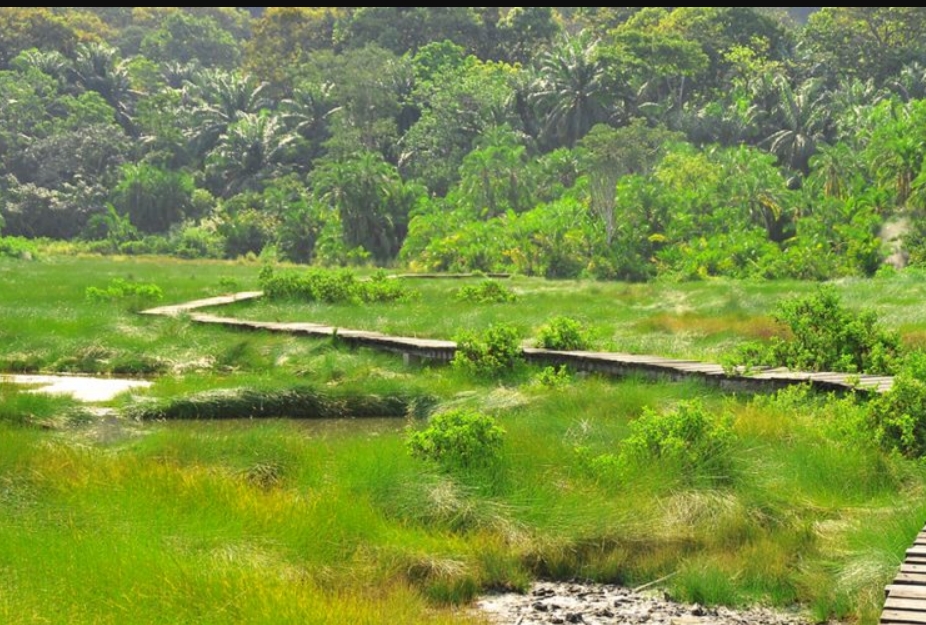
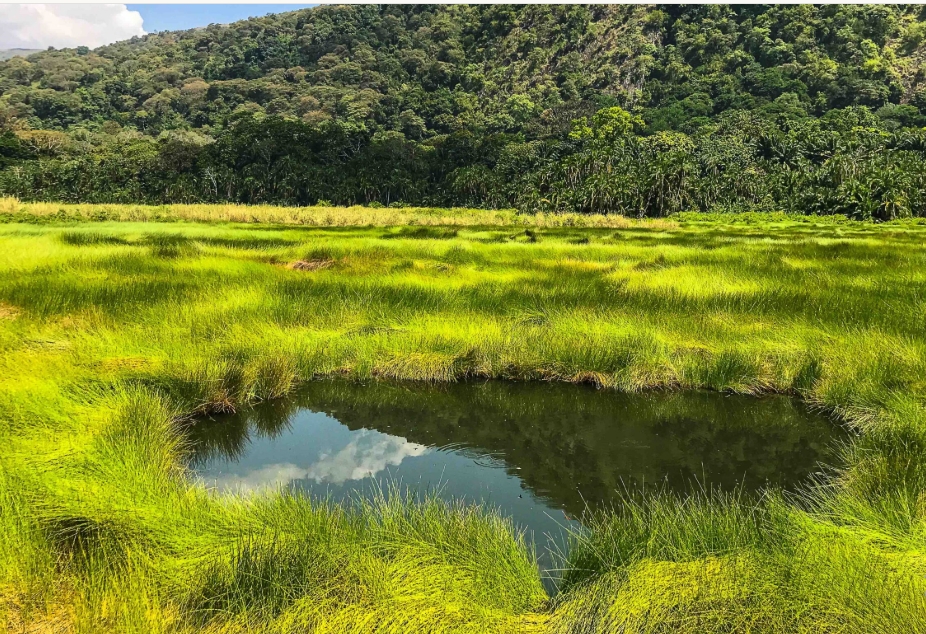
Nature walks are one of the best things to enjoy in the park after a long hike, which gives travellers a refreshing way to explore the park’s stunning views of the ranges and its rich biodiversity on foot. This is a guided activity led by an experienced guide who gives more important information about the park’s inhabitants they might encounter. Visitors can walk through the dense forests, open clearings and the foothills of the Virunga volcanoes, which offer the opportunity to spot colourful bird species, flora and fauna.