Is Birding in Volcanoes National Park Worth it.
Bird enthusiasts planning their bird-watching safaris in the park frequently ask, “Is birding in Volcanoes National Park worth it?” This article will answer this frequently asked question by travellers. Volcanoes National Park is one of the best bird watching destinations in Rwanda, which offers a rich and rewarding experience for both seasoned ornithologists and casual nature enthusiasts. It is located in the northwestern part of Rwanda within the Virunga mountains. The park has a mix of ecosystems like bamboo forests, montane forests, grasslands and wetlands, which provide habitat to various unique bird species.
Volcanoes National Park is home to over 237 bird species, such as migratory birds, water birds, forest birds, Albertine Rift endemics and the park’s residents. The park is commonly known for hosting high-altitude bird species, which are rare to find anywhere else in East Africa, making it a prime destination for birders seeking rare and localised bird species. Volcanoes National Park has stunning views of the Virunga ranges and a tranquil atmosphere, which enhances all birding excursions. Bird watching is a guided activity led by a knowledgeable park birder who assists travellers by identifying birds by listening to their sweet melodic songs and calls of the forest, and gives more insights about the behaviours of various bird species encountered.
What makes Birding in Volcanoes National Park Worth it.
Diverse Bird Species.
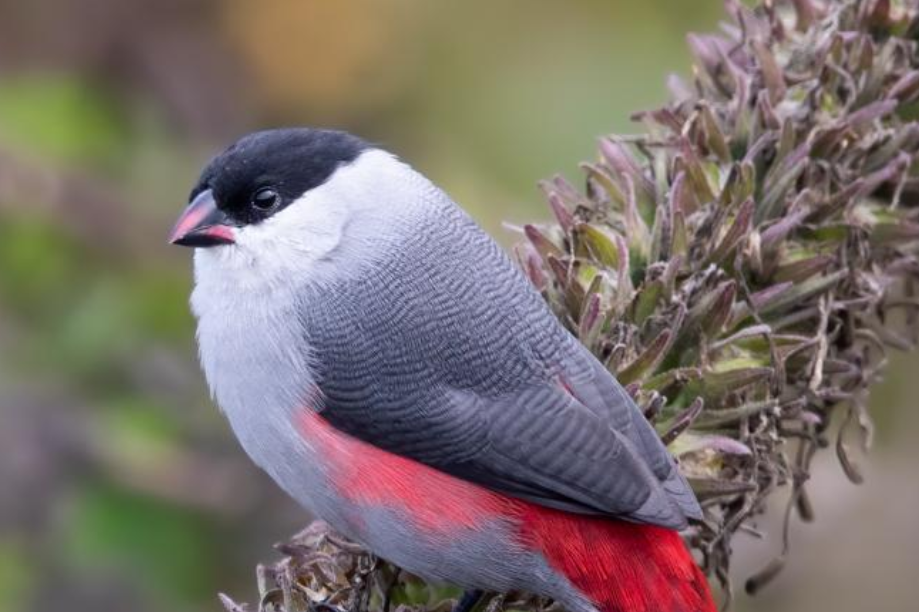
Volcanoes National Park is one of the best bird watching destinations in the country, with diverse bird species. More than 230 bird species are recorded in the park, including migratory birds, waterbirds, forest birds, and Albertine Rift endemics. Bird lovers can enjoy the unmatched variety in a single destination. Some of the birds to see include, Red-headed Bluebill, Red-faced Crimson-wing, Shelley’s Crimson-wing, Zebra Waxbill, Bronze Mannikin, Northern Grey-headed Sparrow, House Sparrow, Cape Wagtail, Mountain Wagtail, Oriole Finch, Black-throated Canary, Archer’s Ground Robin,Red-faced Woodland Warbler, Collared Apalis, Stranger Weaver, Dusky Crimsonwing, Rwenzori Double- collared Sunbird, Hottentot Teal, African Black Duck, Yellow-billed Duck, Handsome Francolin, Little Grebe, Speckled Pigeon, African Olive Pigeon, Dusky Turtle Dove, Mourning Collared Dove, Red-eyed Dove, Ring-necked Dove, Laughing Dove, African Green Pigeon, Tambourine Dove, Scarce Swift, African Palm Swift, Alpine Swift, White-rumped Swift, Little Swift, African Swift, Blue-headed Coucal, Levaillant’s Cuckoo, Klaas’s Cuckoo, African Emerald Cuckoo, Diederick Cuckoo, Barred Long-tailed Cuckoo, Red-chested Cuckoo, Black Crake, Red-knobbed Coot, Grey Crowned Crane, Ruwenzori Turaco, Black-billed Turaco, Ross’s Turaco, Marabou, Yellow-billed Stork, European White Stork, Pink-backed Pelican, Hamerkop, Cattle Egret, Grey Heron, Black-headed Heron, Goliath Heron, Purple Heron, Little Egret, African Sacred Ibis, Hadada Ibis, Great Cormorant, Three-banded Plover, African Snipe, Gray-hooded Gull, White-winged Tern, Black-winged Kite, European Honey Buzzard, African Harrier Hawk, Palm-nut Vulture, Brown Snake Eagle, White-headed Vulture, Hooded Vulture, Crowned Eagle, Martial Eagle, Long-crested Eagle, Tawny Eagle, African Hawk Eagle, Lizard Buzzard, African Marsh Harrier, Lizard Buzzard, Little Sparrowhawk, Ovambo Sparrowhawk, Rufous-breasted Sparrowhawk
Expert Park Guides.
The presence of knowledgeable and well-experienced park guides makes Birding in Volcanoes National Park Worth it. The park has experienced bird guides who help visitors spot rare species, identify calls, and interpret behaviours, making the experience more insightful and rewarding.
Unique Habitants.
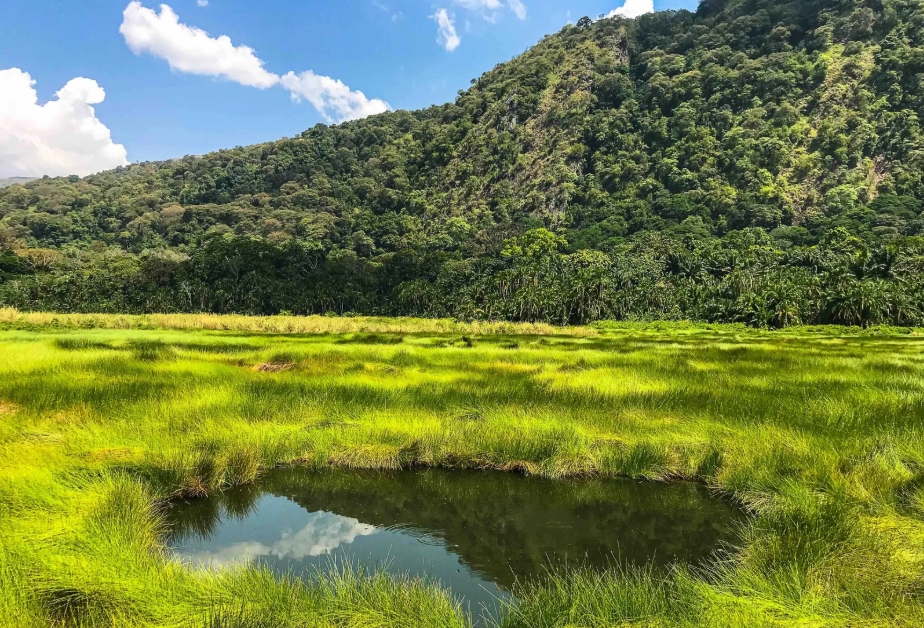
Volcanoes National Park has diverse ecosystems which provide habitat to various bird species that call this awesome park home. These ecosystems include bamboo zones, montane forests, wetlands, grasslands, and alpine vegetation. These habitats support distinct bird communities, giving birders a different experience from typical East African birding destinations and increasing the chances of encountering rare forest species.
Combination with iconic wildlife experiences.
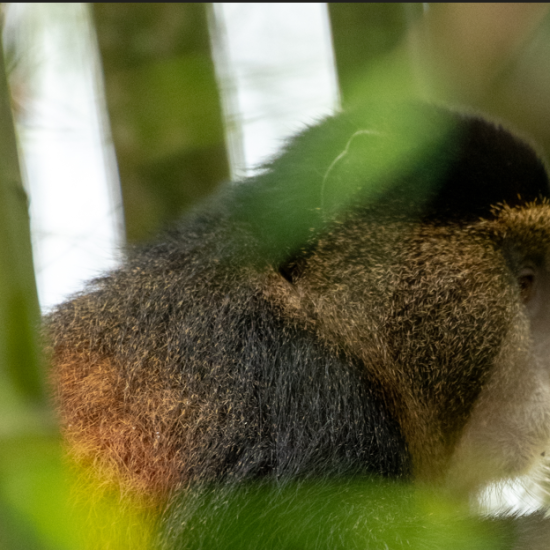
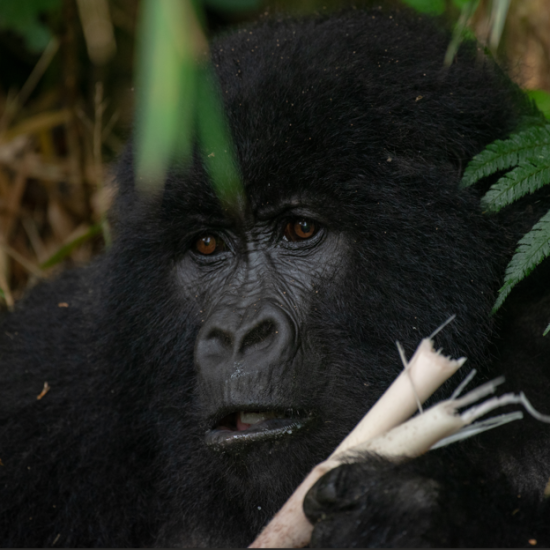
One of the park’s biggest advantages is that birding can easily be combined with activities like gorilla trekking and golden monkey tracking. This makes it a highly efficient destination where visitors can enjoy both primate encounters and specialised birding in a single trip.