Bird Watching Safaris in Volcanoes National Park.
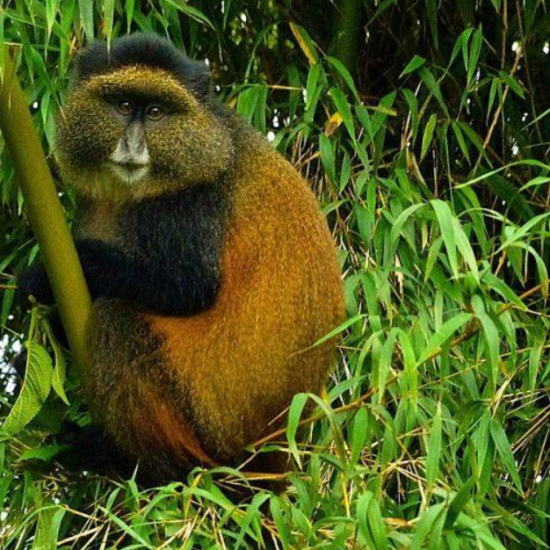
Bird watching safaris in Volcanoes National Park offer an exceptional opportunity to explore one of Africa’s most sought-after national parks with rich bird life. The park is located in the northwestern region of Rwanda within the Virunga mountains. This is one of the most visited national parks in East Africa, commonly known for hosting the endangered mountain gorillas and golden monkeys. It’s the oldest national park in Africa, established in 1925 to protect the endangered animals that existed at that time. It spans an area of about 160 square kilometres, making it the smallest national park in the country.
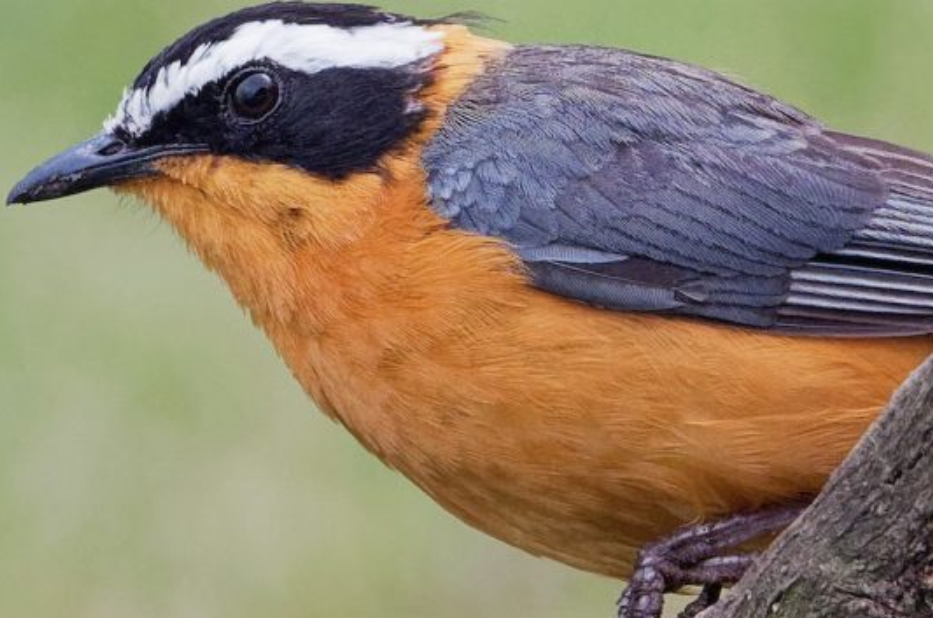
Volcanoes National Park is not only famous for mountain gorillas but also for its rich birdlife, which attracts countless bird enthusiasts and ornithologists throughout the year to explore the park’s unique bird species. It hosts up to 238 bird species, including 18 Albertine Rift endemics, forest birds, migratory birds, water birds and the park’s endemic species, which are rare to find anywhere else.
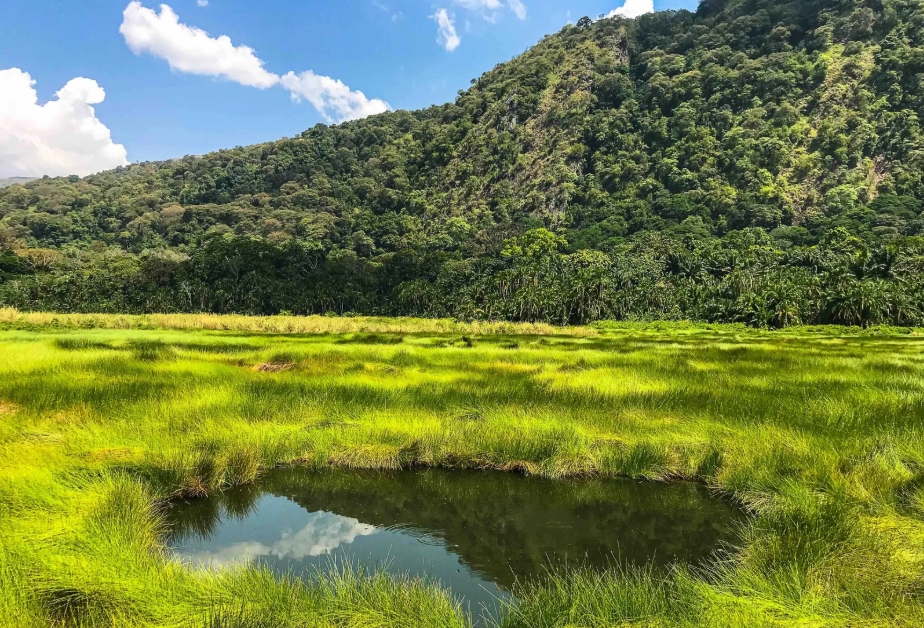
The park has a mix of natural systems, such as bamboo forests, wetlands, montane forests, and grasslands, which provide habitats to various bird species. These are guided bird watching safaris which allow visitors to immerse themselves in spotting colourful and elusive species while enjoying the breathtaking scenery. Whether you are a curious traveller of serious birder, Volcanoes National Park provides a rewarding and memorable birding experience.
Bird Species to see on Bird Watching Safaris in Volcanoes National Park.
Bird enthusiasts will find the park a haven for bird watching, with up to 238 bird species that call this amazing park home. They will enjoy the sweet, melodic songs and calls of various bird species in their natural habitats. Bird lovers are encouraged to prepare a bird watching checklist, which will enable them to search for the specific bird species they are interested in encountering. Some of these birds to encounter while in the park include Dusky Crimsonwing, Rwenzori Double- collared Sunbird, Hottentot Teal, African Black Duck, Yellow-billed Duck, Handsome Francolin, Little Grebe, Speckled Pigeon, African Olive Pigeon, Barred Long-tailed Cuckoo, Red-chested Cuckoo, Black Crake, Red-knobbed Coot, Grey Crowned Crane, Ruwenzori Turaco, Black-billed Turaco, Ross’s Turaco, MarabouDusky Turtle Dove, Mourning Collared Dove, Red-eyed Dove, Ring-necked Dove, Laughing Dove, African Green Pigeon, Tambourine Dove, Scarce Swift, African Palm Swift, Alpine Swift, White-rumped Swift, Little Swift, African Swift, Blue-headed Coucal, Levaillant’s Cuckoo, Klaas’s Cuckoo, African Emerald Cuckoo, Diederick Cuckoo, Collared Sunbird, Blue-headed Sunbird, Olive Sunbird, Scarlet-chested Sunbird, Bronzy Sunbird, Malachite Sunbird, Olive-bellied Sunbird, Scarlet-tufted Sunbird, Regal Sunbird, Northern Double-collared Sunbird, Red-chested Sunbird, Variable Sunbird, Copper Sunbird, Yellow Bishop, Fan-tailed Widowbird, Archer’s Ground Robin,Red-faced Woodland Warbler, Yellow-billed Stork, European White Stork, Pink-backed Pelican, Hamerkop, Brown-throated Wattle-eye, Black-throated Wattle-eye, Lagden’s Bush-shrike, Northern Puffback, Brown-crowned Tchagra, Albertine Sooty Boubou, Mountain Sooty Boubou, Doherty’s Bush-shrike, Lühder’s Bush-shrike, Fork-tailed Drongo, Augur Buzzard, Eurasian Buzzard, Mountain Buzzard, Common Barn Owl, African Long-eared Owl, Speckled Mousebird, Crowned Hornbill, Cardinal Woodpecker, Olive Woodpecker, Western Green Tinkerbird, Yellow-rumped Tinkerbird, Spot-flanked Barbet, Double-toothed Barbet, European Bee-eater, Cinnamon-chested Bee-eater, Hooded Vulture, Crowned Eagle, Martial Eagle, Long-crested Eagle, Tawny Eagle, African Hawk Eagle.
What is the Best Time to do Bird Watching.
Bird watching safaris in Volcanoes National Park can be done at any time of the year, though some months are better than others. The park receives two seasons, the wet season and the dry season, which both provide unique bird watching experiences. The wet season, which is from March to May and October to November, is the most preferred period by bird lovers looking for unique bird species. During this season, the park receives enough rainfall, and there is enough food for various bird species. This is the time of the year when migratory birds come to the park, running away from the harsh weather conditions in Europe and Asia and in search of food. It’s the breeding period for most bird species, which makes it easy to spot various bird species. It’s easy to spot birds in the park since they don’t move deep in the park in search of food and water.