Birding Safaris in Lake Mburo National Park.
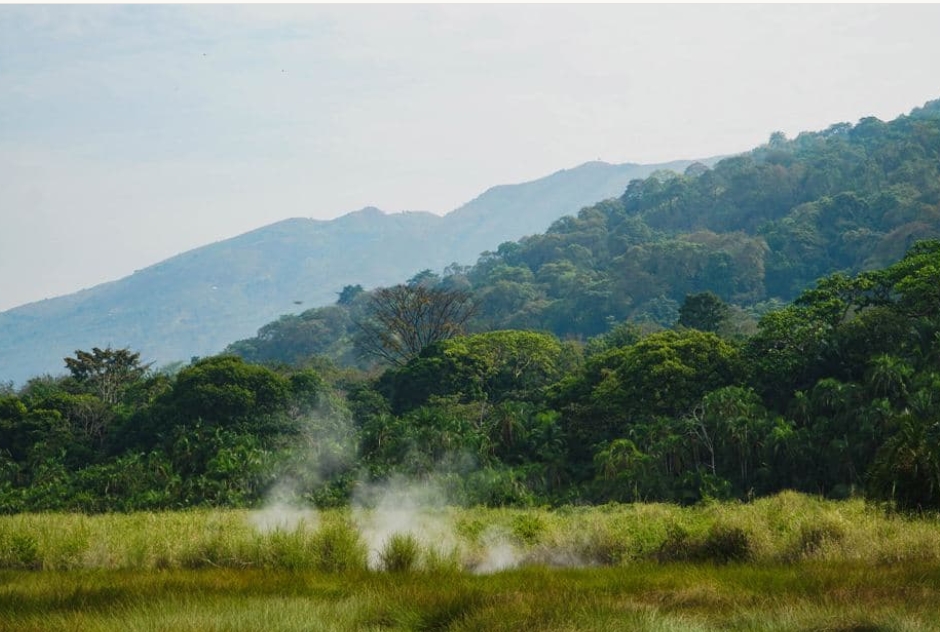
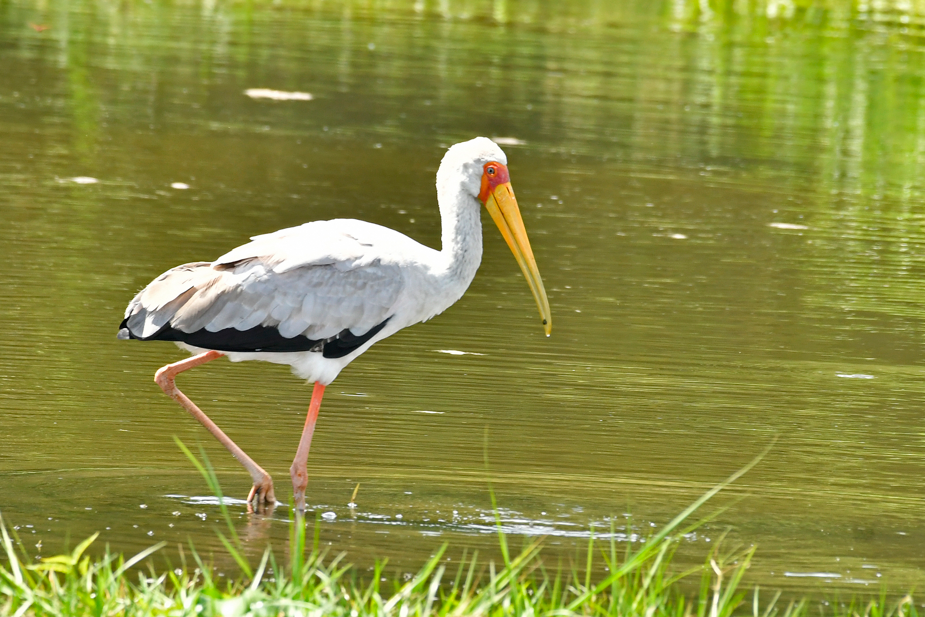
Birding safaris in Lake Mburo National Park offer a unique opportunity for bird enthusiasts and ornithologists to explore the park’s unique bird species in their natural habitats. This is one of the most rewarding bird watching destinations in Uganda, which attracts thousands of bird lovers. It is located in western Uganda, and it is one of the smallest national parks in Uganda, covering an area of approximately 370 square kilometers. It’s the only park in Uganda which is part of the Zambezian Biome, which provides excellent chances of seeing unique bird species. Lake Mburo National Park has a mix of natural systems that provide habitats to various bird species, such as woodlands, savannah grasslands, wetlands and acacia trees. It’s home to up to 340 bird species, including forest birds, water birds, migratory birds, savannah birds and the park’s endemic species, which are rare to find anywhere else. Birding is a guided excursion led by a knowledgeable park guide who provides more insights about the bird species encountered. The park has various birding spots like Rubanga forest, Miriti marshes, and Warukiri marshes, all of which provide excellent chances of encountering various bird species.
Birds to encounter on Birding Safaris in Lake Mburo National Park.
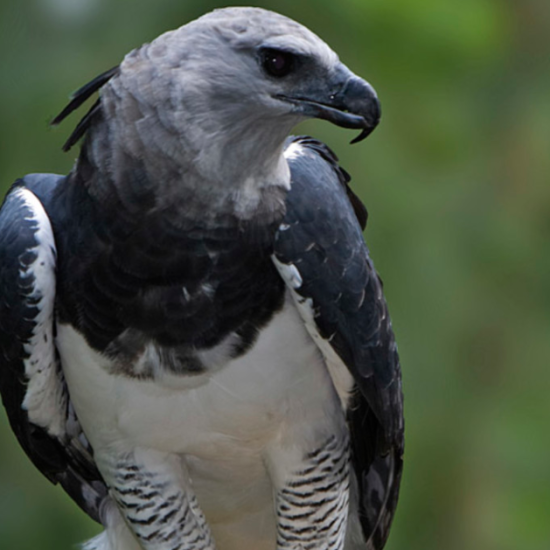
Bird enthusiasts will find the park a paradise for bird watching, with over 340 unique bird species found in the park. Some of the bird species to encounter on a birding safari include Senegal Coucal, Shoebill, White-faced Whistling-Duck, Fulvous Whistling-Duck, White-backed Duck, Knob-billed Duck, Egyptian Goose, Spur-winged Goose, African Pygmy-Goose, Blue-billed Teal, Yellow-billed Duck, Red-billed Duck, Helmeted Guineafowl, Western Crested Guineafowl, Crested Francolin, Coqui Francolin, Ring-necked Francolin, Red-winged Francolin, Handsome Spurfowl, Scaly Spurfowl, Red-necked Spurfowl, Speckled Pigeon, Rameron Pigeon, White-naped Pigeon, Dusky Turtle-Dove, Mourning Collared-Dove, Red-eyed Dove, Ring-necked Dove, Vinaceous Dove, Laughing Dove, Emerald-spotted Wood-Dove, Black-billed Wood-Dove, Blue-spotted Wood-Dove, Tambourine Dove, Namaqua Dove, African Green-Pigeon, Black-bellied Bustard, Great Blue Turaco, Bare-faced Go-away-bird, Pied Cuckoo, Dideric Cuckoo, Klaas’s Cuckoo, Yellow-throated Cuckoo, African Emerald Cuckoo, Dusky Long-tailed Cuckoo, Barred Long-tailed Cuckoo, Black Cuckoo, Red-chested Cuckoo, African Cuckoo, Common Cuckoo, Pennant-winged Nightjar, Standard-winged Nightjar, Fiery-necked Nightjar, Swamp Nightjar, Plain Nightjar, Freckled Nightjar, Slender-tailed Nightjar, Square-tailed Nightjar, Mottled Spinetail, Sabine’s Spinetail, Scarce Swift, Alpine Swift, Mottled Swift, Common Swift, African Swift, Little Swift, Horus Swift, White-rumped Swift, African Palm Swift, White-spotted Flufftail, Buff-spotted Flufftail.
Bird Watching Experience in Lake Mburo
Birding safaris in Lake Mburo National Park are among the amazing safaris in the park that allow birders to see the park’s rich avian life. Bird watching is best done in the morning hours or late afternoon hours when birds are more active. Birding begins with a briefing about the rules and regulations of the park, and later, participants meet their assigned park guide. This is a knowledgeable birder who assists the participants by identifying various bird species by listening to their sweet melodic calls and sounds. Birders will enjoy learning more about the bird species encountered and taking as many photos as they wish. The park has various birding trails which cater to all levels of birders, whether you are an experienced birder or simply a beginner. Lake Mburo National Park offers exceptional bird watching safaris, which shouldn’t be missed by bird enthusiasts.
Best Time for Birding Safaris in the Park.
Birding safaris in Lake Mburo National Park can be done throughout the year, though some months are better than others. It has two seasons: the dry season and the wet season. Both seasons offer unique bird watching experiences to travellers visiting the park. The wet season is the most loved season by birders, which is from March to May and October to November. During these months, the park receives enough rainfall, trees and plant species bear fruits which attract migratory birds to the park, which run away from Asia and Europe in search of good weather conditions and food. Birds don’t move deep in the park in search of food, as the park always has enough food. Travellers should be aware that during this season, the park is always muddy, which makes it challenging to penetrate. Birders can also do birding in the dry season, which is from June to September and December to February. During this period, the park receives little to no rainfall, and it’s less muddy, making it easy to search for birds in the food. Though birds move deep into the park in this season in search of food.