Birding Photography in Semuliki National Park.
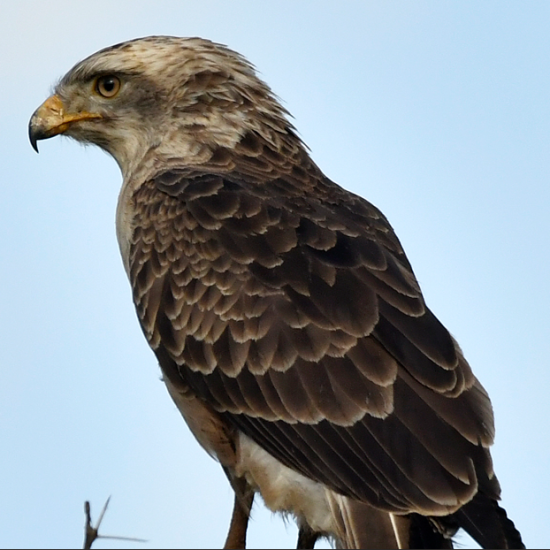
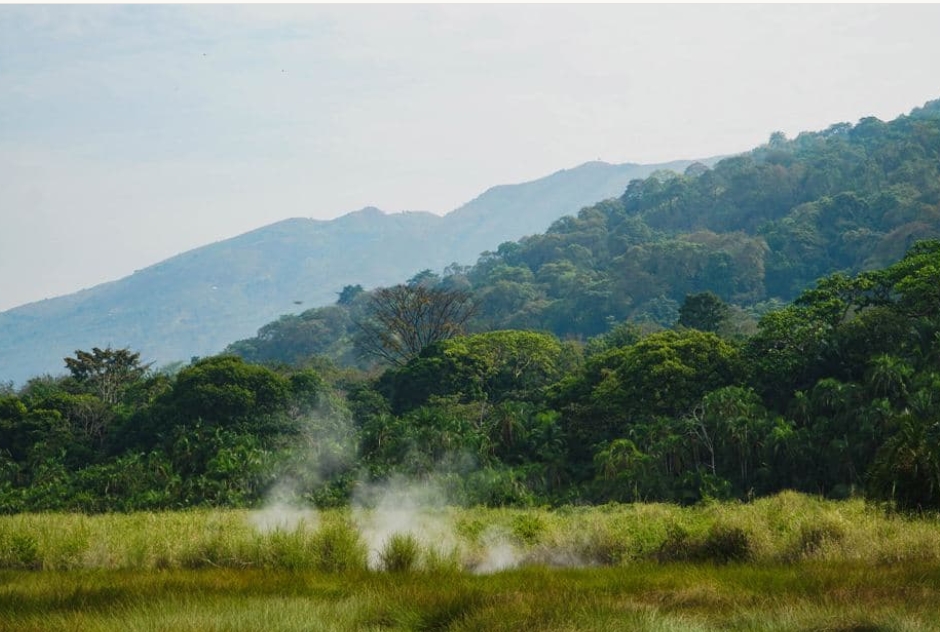
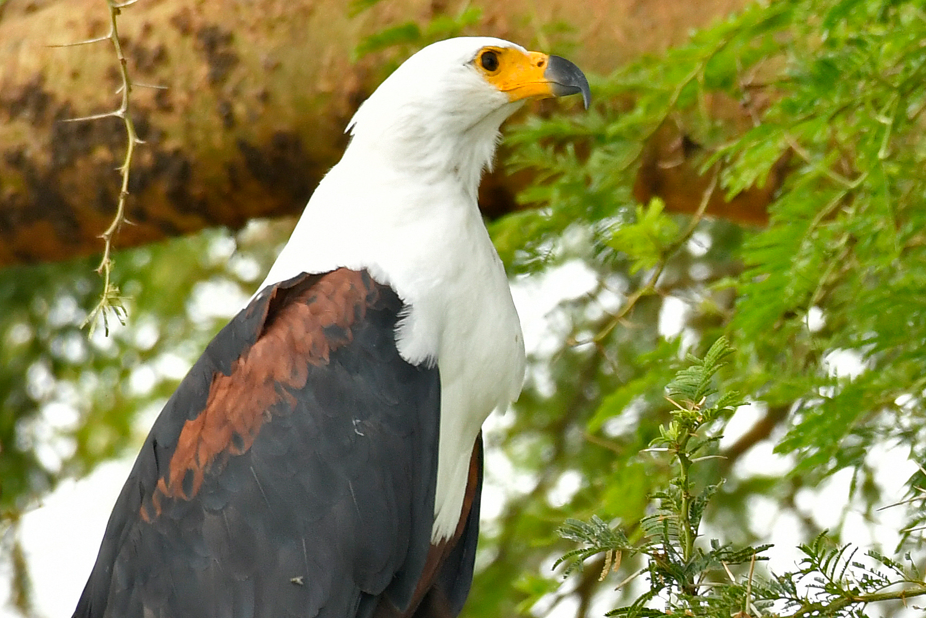
Birding photography in Semuliki National Park is one of the most popular activities done in the park that attracts countless photographers and bird enthusiasts to capture stunning images of unique bird species in their natural habitats. Semuliki is one of the premier bird-watching destinations in East Africa, celebrated for hosting the highest number of forest birds and Guinea-Congo biome bird species, some of which are not found anywhere else in East Africa. This offers a rare opportunity to capture some of Africa’s most elusive birds. It’s located in the western part of Uganda, and it’s about a 6-hour drive from Kampala, the capital city of Uganda. The park hosts up to 450 bird species, including 216 forest birds, 130 Guinea-Congo biome bird species, and 46 bird species that are rare to find anywhere else, migratory birds and water birds. It has diverse ecosystems which provide habitats for the park’s rich avian life, like wetlands, tropical forests, riverine forests, and grasslands. There are well-maintained birding trails like Ntandi trail, Kirumia trail, and Sempaya trail, all of which provide excellent opportunities for photographers to take beautiful shots of unique bird species found in the park.
Birds to Encounter on Birding Photography in Semuliki National Park.
Photographers will find the park a paradise for birding with hundreds of bird species to encounter on their safari in the park. These include Eastern Plantain-eater, Ross’s Turaco White-faced Whistling-Duck, Fulvous Whistling-Duck, Knob-billed Duck, Hartlaub’s Duck, Egyptian Goose, Spur-winged Goose, African Black Duck, Helmeted Guineafowl,Denham’s Bustard, Black-bellied Bustard, Great Blue Turaco, Bare-faced Go-away-bird ,Eastern Plantain-eater, Ross’s Turaco White-faced Whistling-Duck, Fulvous Whistling-Duck, Knob-billed Duck, Hartlaub’s Duck, Egyptian Goose, Spur-winged Goose, African Black Duck, Helmeted Guineafowl, Western Crested Guineafowl, Nahan’s Partridge, Latham’s Francolin, Crested Francolin, Ring-necked Francolin, Heuglin’s Spurfowl , Speckled Pigeon, Afep Pigeon, Rameron Pigeon, Western Bronze-naped Pigeon, White-naped Pigeon, Lemon Dove, Mourning Collared-Dove, Red-eyed Dove, Ring-necked Dove, Laughing Dove, White-crested Turaco, Black-billed Turaco, Black-throated Coucal, Senegal Coucal, Blue-headed Coucal, White-browed Coucal, Black Coucal, Blue Malkoha, Levaillant’s Cuckoo, Pied Cuckoo, Dideric Cuckoo, Klaas’s Cuckoo, Yellow-throated Cuckoo, African Emerald Cuckoo, Dusky Long-tailed Cuckoo, African Cuckoo, Common Cuckoo, Pennant-winged Nightjar, Standard-winged Nightjar, Fiery-necked Nightjar, Plain Nightjar, Freckled Nightjar, Bates’s Nightjar, Long-tailed Nightjar, Square-tailed Nightjar, Mottled Spinetail, Sabine’s Spinetail, Common Swift, Alpine Swift, Scarce Swift, White-rumped Swift, African Palm Swift, Lappet-faced Vulture, Forest Scrub-Robin, White-browed Scrub-Robin, Fire-crested Alethe, White-eyed Slaty-Flycatcher, Blue-shouldered Robin-Chat, Red-chested Owlet, African Wood-Ow, Abyssinian Ground-Hornbill, Forest Scimitarbill, Narina Trogon, Blue-naped Mousebird, Orange-cheeked Waxbill, Eastern Long-tailed Hornbill, Blue-breasted Bee-eater, White-thighed Hornbill, Crowned Hornbill, Blue-breasted Bee-eater, Cinnamon-chested Bee-eater, Olive Bee-eater, European Bee-eater, African Pygmy Kingfisher, Malachite Kingfisher, Blue-breasted Kingfisher, Pied Kingfisher, Chocolate-backed Kingfisher, Blue-throated Roller, Red-faced Barbet, Northern Red-fronted Tinkerbird, Horus Swift, White-spotted Flufftail, Buff-spotted Flufftail, Red- Chested Flufftail, Purple Heron, Goliath Heron, Hamerkop, Osprey, Great White Pelican, Great White Pelican, Rüppell’s Griffon.
What to Pack for Birding Photography Safaris in the Park.
Photographers planning their birding photography safaris in Lake Semuliki National Park should pack the necessary items to enable the have unforgettable photography safaris in the park. Travellers should consider packing a camera with a telephoto lens(300mm-600mm) for capturing distant birds, extra batteries, memory cards, binoculars, tripods, a waterproof backpack, and a rain cover to protect their equipment from unexpected rainfall. Don’t forget to carry comfortable waterproof hiking shoes, a rain jacket, insect repellent, sunscreen, a water bottle, a headlamp, lightweight, long-sleeved shirts, energy snacks, a brimmed hat, a birding checklist, and a power bank for charging devices.
Best Time to do Birding Photography in the Park.
Photographers can come for birding photography in Semuliki National Park at any time of the year; however, some months are better than others. The park receives two seasons: the dry season and the wet season. The wet season is the most preferred period by birders, which is from October to November and March to May. During this season, the park receives enough rainfall, and plants and tree species bear fruit, which provides enough food to birds in the park. It’s this period when migratory birds come to the park, running away from the harsh weather conditions in Europe and Asia.
Since the park has enough food, birds don’t move deep in the forest in search of food, and this is the breeding season for most birds in the park, which makes spotting them easy, and photographers have great chances of capturing many bird species. Birders should note that during this period, the park is muddy and slippery, making it hard to penetrate. Birding can also be done in the dry season, which runs from June to September and from December to February. During this period, the park receives little to no rainfall, the trails are less muddy and slippery, making it easy to penetrate.