Birding in Semuliki National Park.
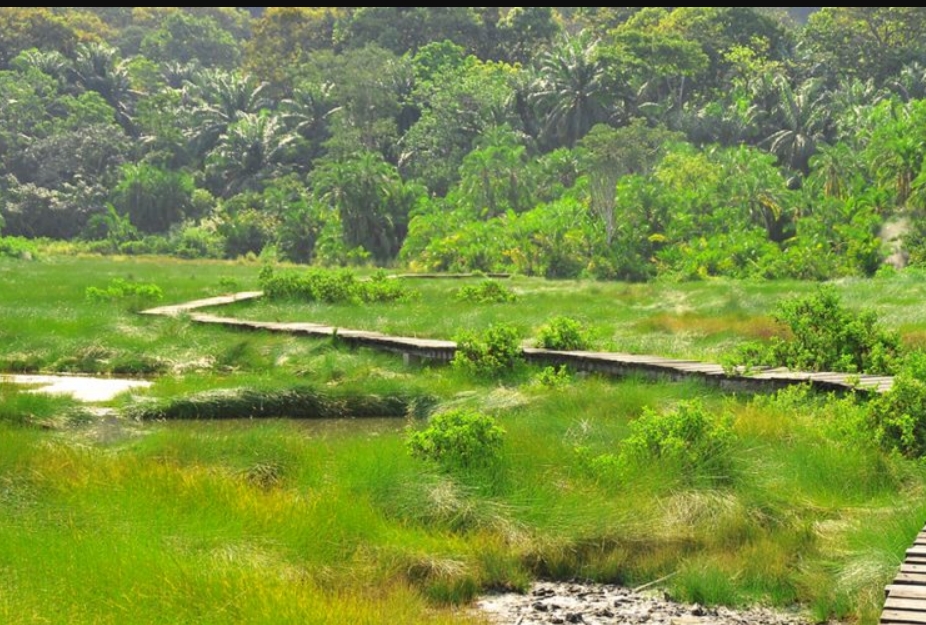
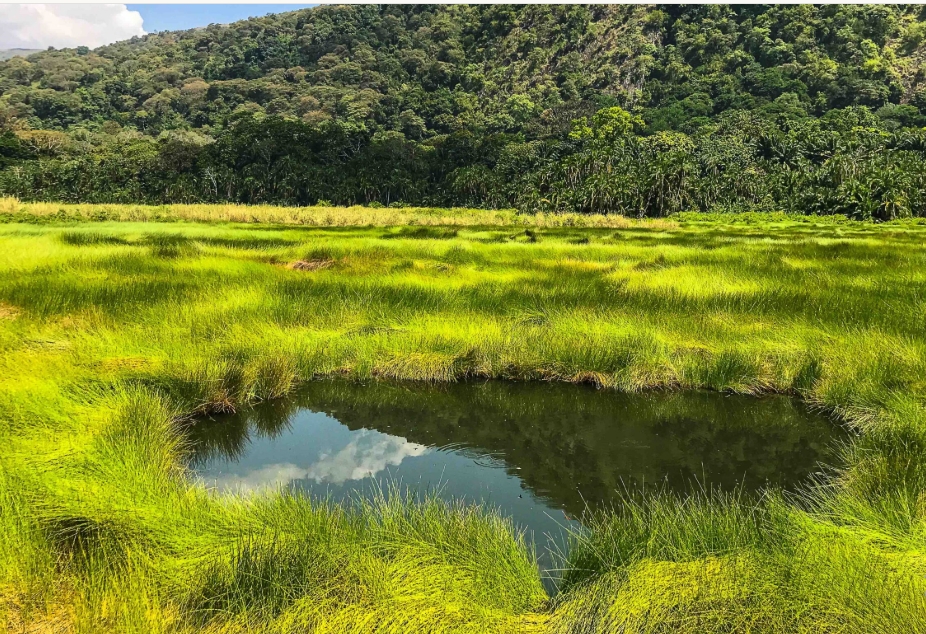
Birding in Semuliki National Park is one of the most rewarding activities that offers ornithologists, photographers and bird enthusiasts a unique opportunity of exploring the park’s rich birdlife. It’s one of the most important bird sites in East Africa, famous for hosting the largest number of forest bird species. It’s located in the western part of Uganda, Bundibugyo District, near Mountain Rwenzori. Birding in the park offers birders an exceptional experience for both seasoned birders and nature enthusiasts. The park has a mix of ecosystems such as wetlands, tropical forests, rivers, and grasslands, which provide habitats for various birds. It hosts up to 450 unique bird species, including 40% of Uganda’s forest birds, water birds, 130 Guinea-Congo biome bird species, with over 46 species which are found nowhere else in East Africa, 5 Albertine endemic species and the park’s endemic species, which are found nowhere else in the country. The park offers different birding trails, each with unique bird species, like Kirumia trail, Ntandi trail, Sempaya trail and areas along Semuliki River. These trails cater to all levels of birders whether you are an experienced birder or simply a beginner; birding in Semuliki National Park provides exceptional chances of spotting unique bird species.
Bird Species to encounter on a birding safari in Semuliki National Park.
Bird lovers will be delighted by hundreds of bird species that call this awesome park home, and birding is best done in the morning hours when birds are most active. Some of these bird species to encounter include Denham’s Bustard, Black-bellied Bustard, Great Blue Turaco, Bare-faced Go-away-bird , Eastern Plantain-eater, Ross’s Turaco White-faced Whistling-Duck, Fulvous Whistling-Duck, Knob-billed Duck, Hartlaub’s Duck, Egyptian Goose, Spur-winged Goose, African Black Duck, Helmeted Guineafowl, Western Crested Guineafowl, Nahan’s Partridge, Latham’s Francolin, Crested Francolin, Ring-necked Francolin, Heuglin’s Spurfowl , Speckled Pigeon, Afep Pigeon, Rameron Pigeon, Western Bronze-naped Pigeon, White-naped Pigeon, Lemon Dove, Mourning Collared-Dove, Red-eyed Dove, Ring-necked Dove, Laughing Dove, White-crested Turaco, Black-billed Turaco, Black-throated Coucal, Senegal Coucal, Blue-headed Coucal, White-browed Coucal, Black Coucal, Blue Malkoha, Levaillant’s Cuckoo, Pied Cuckoo, Dideric Cuckoo, Klaas’s Cuckoo, Yellow-throated Cuckoo, African Emerald Cuckoo, Dusky Long-tailed Cuckoo, African Cuckoo, Common Cuckoo, Pennant-winged Nightjar, Standard-winged Nightjar, Fiery-necked Nightjar, Plain Nightjar, Freckled Nightjar, Bates’s Nightjar, Long-tailed Nightjar, Square-tailed Nightjar, Mottled Spinetail, Sabine’s Spinetail, Common Swift, Alpine Swift, Scarce Swift, White-rumped Swift, African Palm Swift, Horus Swift, White-spotted Flufftail, Buff-spotted Flufftail, Red- Chested Flufftail.
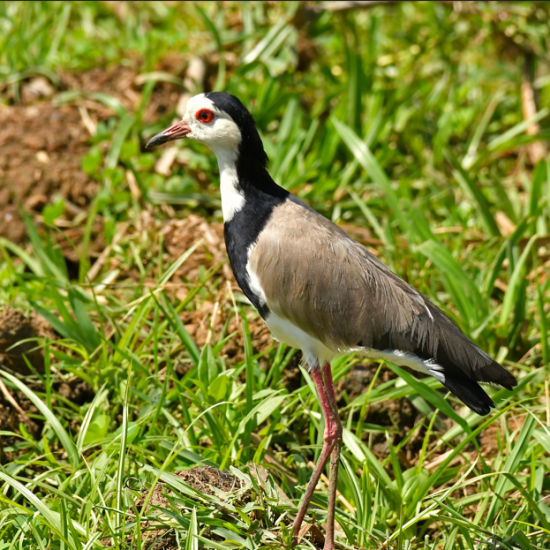
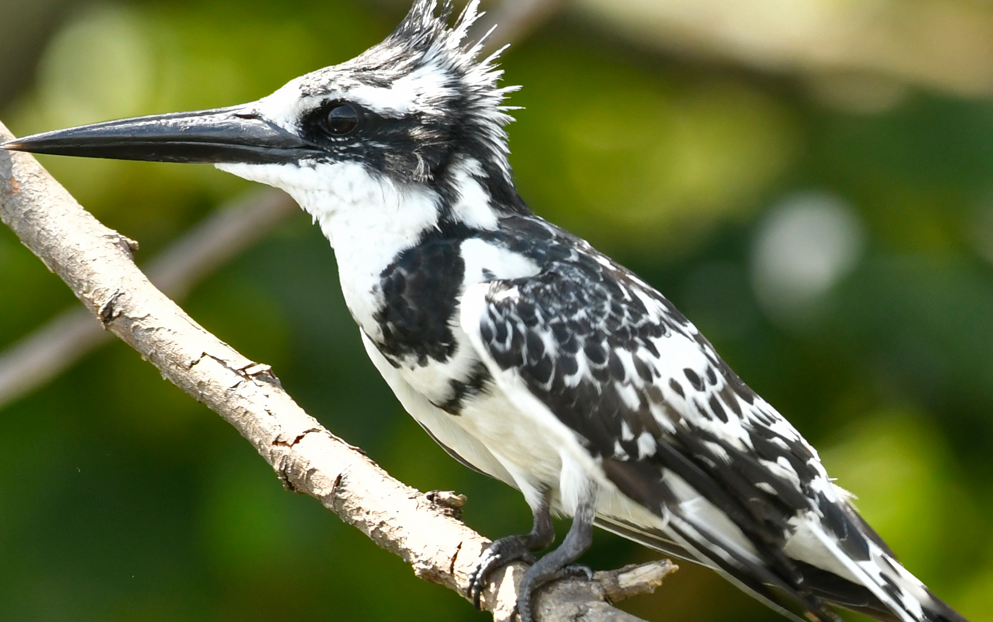
Other birds to encounter on a birding safari in Semuliki National Park include Gray-throated Rail, African Crake, Eurasian Moorhen, African Swamphen, Nkulengu Rail, Black Crake, Nkulengu Rail, African Finfoot, Gray Crowned-Crane, Black-winged Stilt, Common Ringed Plover, Three-banded Plover, Little Ringed Plover, Long-toed Lapwing, Spur-winged Lapwing, Black-headed Lapwing, Senegal Lapwing, Wattled Lapwing, Greater Painted-Snipe, Hadada Ibis, African Spoonbill, Black-headed Heron, Purple Heron, Goliath Heron, Hamerkop, Osprey, Great White Pelican, Great White Pelican, Rüppell’s Griffon, Lappet-faced Vulture, Forest Scrub-Robin, White-browed Scrub-Robin, Fire-crested Alethe, White-eyed Slaty-Flycatcher, Blue-shouldered Robin-Chat, Red-chested Owlet, African Wood-Ow, Abyssinian Ground-Hornbill, Forest Scimitarbill, Narina Trogon, Blue-naped Mousebird, Orange-cheeked Waxbill, Eastern Long-tailed Hornbill, Blue-breasted Bee-eater, White-thighed Hornbill, Crowned Hornbill, Blue-breasted Bee-eater, Cinnamon-chested Bee-eater, Olive Bee-eater, European Bee-eater, African Pygmy Kingfisher, Malachite Kingfisher, Blue-breasted Kingfisher, Pied Kingfisher, Chocolate-backed Kingfisher, Blue-throated Roller, Red-faced Barbet, Northern Red-fronted Tinkerbird.
Best Time for Birding in the Park.
Semuliki National Park is open throughout the year for bird watching safaris, allowing visitors to explore its avian treasures at any time. However, based on feedback from previous travelers, the best time for birding in Semuliki National Park is during the dry season, which is considered peak season. This period runs from June to September and again from December to February. During these months, the forest is dry, making the birding trails less slippery and muddy, which makes them easier to navigate. Additionally, there is little to no rainfall, and the vegetation is less dense, providing clearer views of the various bird species in the park.
On the other hand, the wet season, which spans from March to May and October to November, also offers excellent opportunities for birding in Semuliki National Park. Though this period is typically referred to as low season due to heavy rainfall and dense vegetation, it can still be rewarding. The birding trails can be muddy and slippery, making access to some spots more challenging. However, this season is favorable for budget travelers, as many bird watching packages come with discounts.