Birds Found in Semuliki National Park.
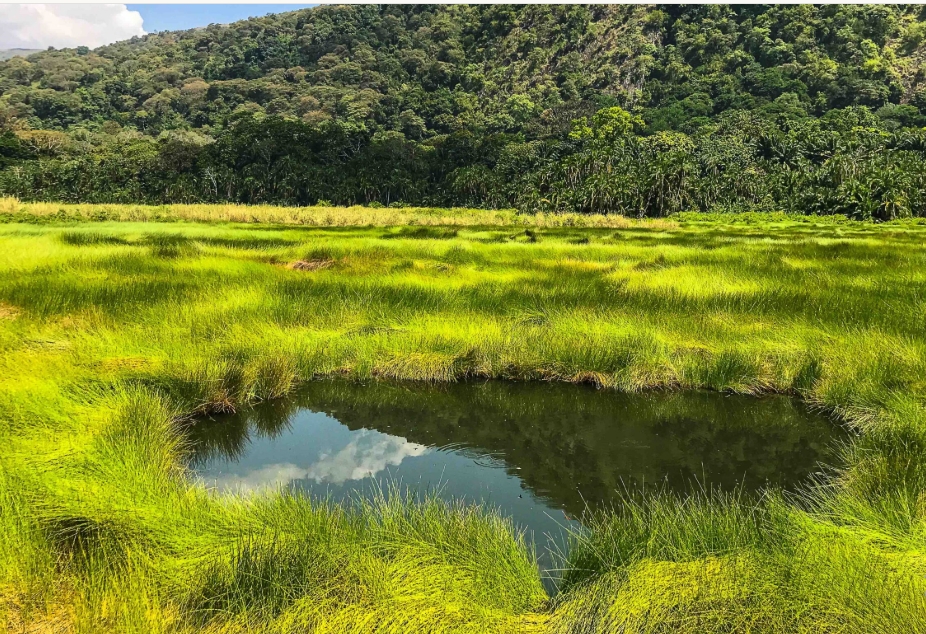
Travellers planning their birding safaris often ask about birds found in Semuliki National Park, and this blog will list some of the bird species to encounter on your safari. Semuliki National Park is a top bird watching destination in East Africa, attracting thousands of bird lovers to indulge in the park’s rich avian life. The park hosts over 455 bird species, including 216 forest birds, 46 Guinea-Congo biome bird species, water birds, and migratory birds. It has a mix of natural systems such as tropical forests, grasslands, wetlands, and rivers that provide habitats for the park’s rich avian life. There are well maintained trails which are used for birding, like Sempaya trail, Ntandi trail, Kirimia trail and areas along Semuliki River, all of which provide excellent opportunities for enjoying the melodic songs and sounds of various bird species. Birding is best done very early in the morning or late afternoon hours when birds are most active, and it gives photographers great chances of clearly capturing various photos of birds in their natural habitats.
Birds Found in Semuliki National Park.
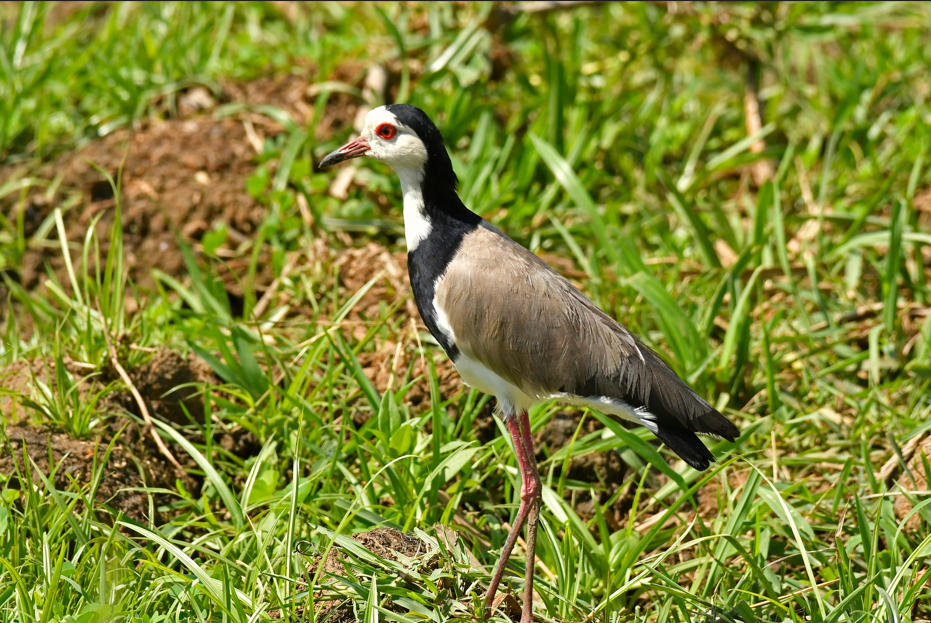
Emerald-spotted Wood-Dove, Black-billed Wood-Dove, African Green-Pigeon, Denham’s Bustard, Black-bellied Bustard, Great Blue Turaco, Bare-faced Go-away-bird , Eastern Plantain-eater, Ross’s Turaco White-faced Whistling-Duck, Fulvous Whistling-Duck, Knob-billed Duck, Hartlaub’s Duck, Egyptian Goose, Spur-winged Goose, African Black Duck, Helmeted Guineafowl, Western Crested Guineafowl, Nahan’s Partridge, Latham’s Francolin, Crested Francolin, Ring-necked Francolin, Heuglin’s Spurfowl , Speckled Pigeon, Afep Pigeon, Rameron Pigeon, Western Bronze-naped Pigeon, White-naped Pigeon, Lemon Dove, Mourning Collared-Dove, Red-eyed Dove, Ring-necked Dove, Laughing Dove, White-crested Turaco, Black-billed Turaco, Black-throated Coucal, Senegal Coucal, Blue-headed Coucal, White-browed Coucal, Black Coucal, Blue Malkoha, Levaillant’s Cuckoo, Pied Cuckoo, Dideric Cuckoo, Klaas’s Cuckoo, Yellow-throated Cuckoo, African Emerald Cuckoo, Dusky Long-tailed Cuckoo, African Cuckoo, Common Cuckoo, Pennant-winged Nightjar, Standard-winged Nightjar, Fiery-necked Nightjar, Plain Nightjar, Freckled Nightjar, Bates’s Nightjar, Long-tailed Nightjar, Square-tailed Nightjar, Mottled Spinetail, Sabine’s Spinetail, Common Swift, Alpine Swift, Scarce Swift, White-rumped Swift, African Palm Swift, Horus Swift, White-spotted Flufftail, Buff-spotted Flufftail, Red- Chested Flufftail, Gray-throated Rail, African Crake, Eurasian Moorhen, African Swamphen, Nkulengu Rail, Black Crake, Nkulengu Rail, African Finfoot, Gray Crowned-Crane, Black-winged Stilt, Common Ringed Plover, Three-banded Plover, Little Ringed Plover, Long-toed Lapwing, Spur-winged Lapwing, Black-headed Lapwing, Senegal Lapwing, Wattled Lapwing, Greater Painted-Snipe, African Jacana, Common Sandpiper, Green Sandpiper, Marsh Sandpiper, Wood Sandpiper, Common Redshank, Curlew Sandpiper, Sanderling.
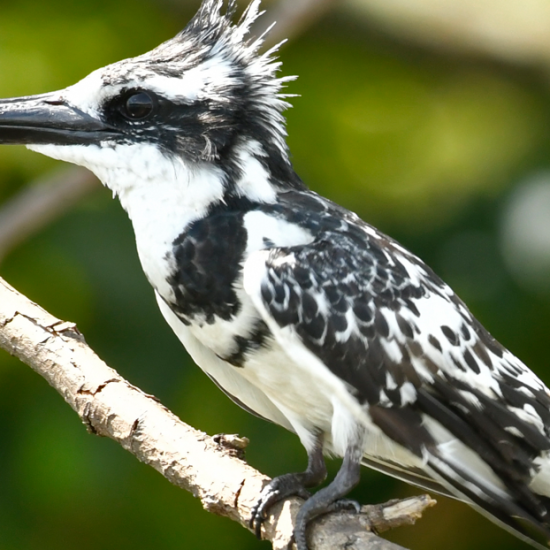
Other Birds found in Semuliki National Park include Red-throated Wryneck, African Piculet, Speckle-breasted Woodpecker, Eurasian Hobby, Gray Kestrel, Lanner Falcon, Black-crowned Night Heron, Little Heron, Rufous-bellied Heron, Western Cattle-Egret, Yellow-billed Egret, Bateleur, Hooded Vulture, Rüppell’s Griffon, Lappet-faced Vulture, Forest Scrub-Robin, Lesser Black-backed Gull, Whiskered Tern, White-winged Tern, Little Grebe, African Openbill, Abdim’s Stork, African Woolly-necked Stork, Saddle-billed Stork, Marabou Stork, Yellow-billed Stork, African Darter, Great Cormorant, Reed Cormorant, African Sacred Ibis, Glossy Ibis, African Spoonbill, Spot-breasted Ibis, Hadada Ibis, African Spoonbill, Black-headed Heron, Purple Heron, Goliath Heron, Hamerkop, Osprey, Great White Pelican, Great White Pelican, Rüppell’s Griffon, Lappet-faced Vulture, Forest Scrub-Robin, White-browed Scrub-Robin, Fire-crested Alethe, White-eyed Slaty-Flycatcher, Blue-shouldered Robin-Chat, Red-chested Owlet, African Wood-Ow, Abyssinian Ground-Hornbill, Forest Scimitarbill, Narina Trogon, Blue-naped Mousebird, Orange-cheeked Waxbill, Eastern Long-tailed Hornbill, Blue-breasted Bee-eater, White-thighed Hornbill, Crowned Hornbill, Blue-breasted Bee-eater, Cinnamon-chested Bee-eater, Olive Bee-eater, European Bee-eater, African Pygmy Kingfisher, Malachite Kingfisher, Blue-breasted Kingfisher, Pied Kingfisher, Chocolate-backed Kingfisher, Blue-throated Roller, Red-faced Barbet, Northern Red-fronted Tinkerbird, Double-toothed Barbet, Hairy-breasted Barbet, Spotted Honeyguide, Greater Honeyguide, Brown-backed Honeybird, Elliot’s Woodpecker, Nubian Woodpecker, Peregrine Falcon, Red-headed Lovebird, Gray Parrot, Meyer’s Parrot, Rufous-sided Broadbill, African Pitta, Green-breasted Pitta, Petit’s Cuckooshrike, African Black-headed Oriole, Western Black-headed Oriole, Eurasian Golden Oriole, Rwenzori Batis, Jameson’s Wattle-eye, Chestnut Wattle-eye, Ituri Batis, Black-crowned Tchagra,Tropical Boubou, Gray-green Bushshrike, Little Greenbul, Dusky Crested Flycatcher, White-winged Black-Tit, Rufous-naped Lark, Yellow Longbill, Pink-backed Pelican, Black-winged Kite, African Harrier-Hawk, White-headed Vulture, Bateleur, Hooded Vulture.