The Unique Ecosystem of Semuliki National Park
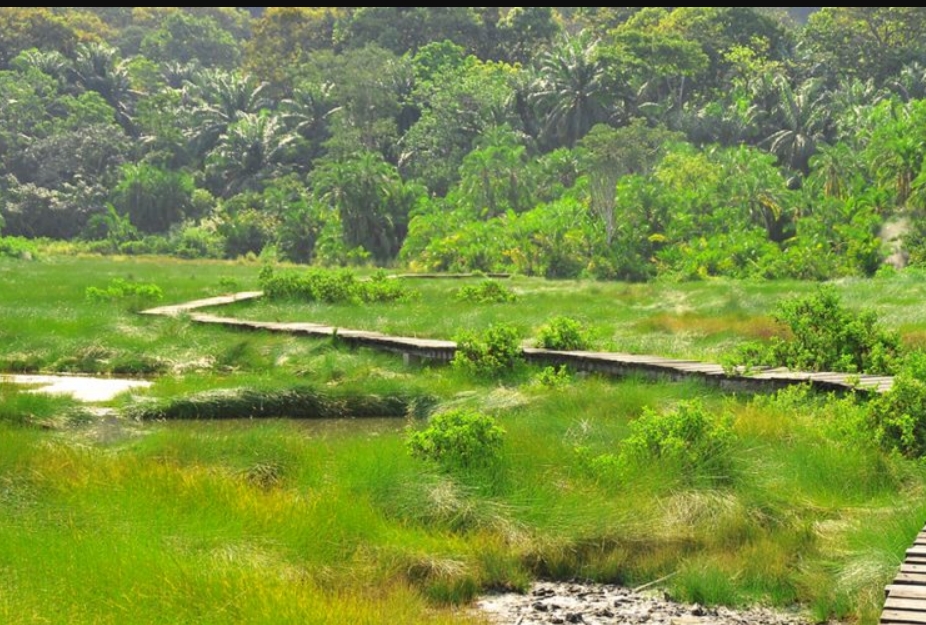
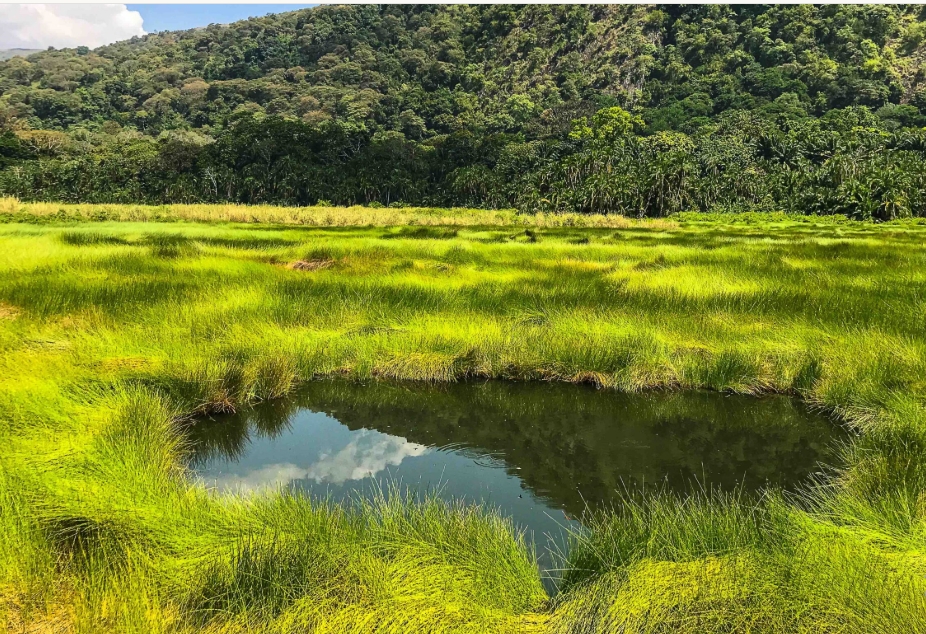
The Unique Ecosystem of Semuliki National Park: Semuliki National Park is one of the unique protected areas in Uganda, with a rich biodiversity of flora and fauna, making it the only lowland tropical rain forest in East Africa. This park was gazetted in 1932 as a forest reserve before its establishment as a national park in October 1993 to preserve its lowland tropical rain forest. The park is located in western Uganda in Bundibugyo District, covering about 219 km².
Despite its small size, Semuliki Valley National Park stands out as one of the prominent national parks with a unique and rich biodiversity of flora and fauna in the East African region. The park offers habitats for several wildlife species such as 53 mammals, 9 primates, and 400 bird species, among others. 23 of these bird species are endemic to the Albertine Rift, and 460 butterfly species.
The park sits at the meeting point of various climate and ecological zones, which leads to a wide variety of plant and animal species, along with different microhabitats. Many species found in Semuliki are also seen in the Congo Basin forests. The main type of vegetation is medium altitude moist evergreen and semi-deciduous forest, with the Uganda ironwood being the most common tree.
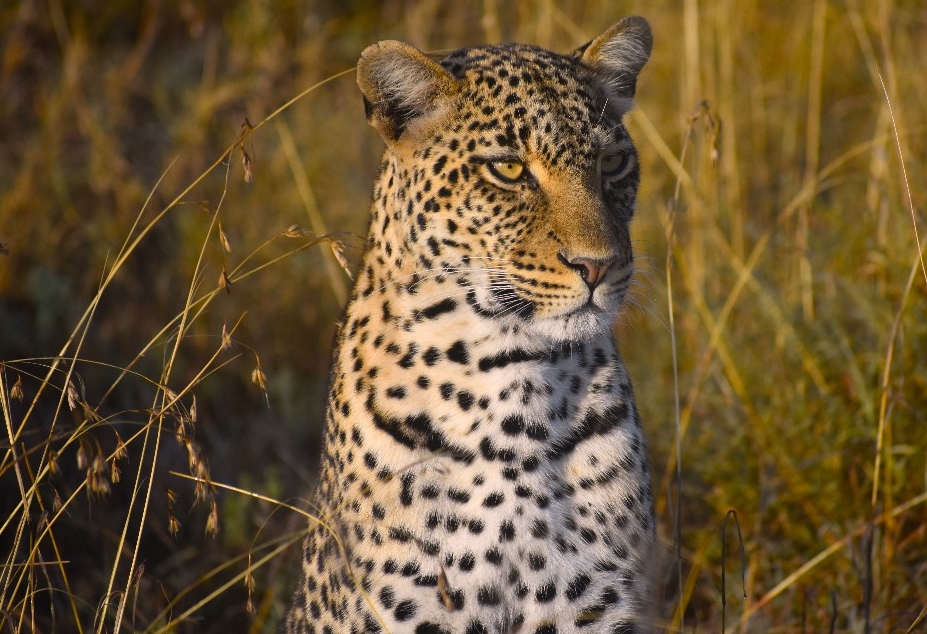
The park offers visitors see wide range of mammals such as leopards, forest elephants, African buffaloes, leopards, and hippos. Over 9 primates call this lowland protected area home, together with several butterfly species exhibiting the regions unique ecosystem.
The Unique Ecosystem of Semuliki National Park: Semuliki National Park is an outstanding destination that is part of the great western arm of the East African Rift Valley, located at the crossroads of various climatic and ecological areas, leading to a rich diversity of plants and animals. Many species here are also found in the Congo Basin forests, reaching the eastern edge of their range. The primary vegetation consists of medium altitude moist evergreen to semi-deciduous forest, with the Uganda ironwood being the most common tree. The park is home to over 400 bird species, including the lyre-tailed honeyguide and 216 true forest birds like the rare Oberländer’s ground thrush and nine hornbill species.
Many travelers visit Semuliki National Park for its unique wildlife experiences, making it a must-see destination. It is home to rare animals like the Debrazza, chimpanzees, buffaloes, forest elephants, and leopards. Visitors can see a variety of both living and non-living attractions. Most wildlife in the park are resident species, ensuring sightings year-round. Over 53 mammals have been recorded in the park. The lowland tropical forest supports many species, including warthogs, sitatungas, Uganda kobs, hippos, side-striped jackals, and crocodiles, which can be observed through various park activities.
Primates to see in Semuliki National Park
Semuliki National Park is home to the highest number of primates in the country, with over 9 species, including chimpanzees, mangabeys, blue monkeys, de Brazza’s monkeys, red colobus monkeys, black and white colobus monkeys, and olive baboons.
Best way to see animals in Semuliki National Park
Participating in nature walk activities
Nature walks are the best way to see animals in Semuliki National Park, as game drives are not allowed. These walks offer chances to spot various animals and include trails like the Nyaburogo gorge hike, Sempaya nature trail, Kirumia trail, and red-tailed monkey trails.
Primate trekking
Semuliki National Park is home to over 9 primates, but only chimpanzees are available for trekking. Trekkers and rangers search for habituated chimpanzees and spend 1 hour with them.
Chimpanzee trekking in Semuliki Park begins with a briefing at the park headquarters about the rules. Armed ranger guides then take trekkers into the jungle to search for chimps. The trek lasts about 4 hours, and visitors can spend 1 hour observing the chimps once they are found.
What is the best time to visit Semuliki National Park
Semuliki National Park is open year-round, but the best time to visit is during the dry season. This season occurs from June to September and also from December to February, since they receive little to no rainfall, but with much sunshine. During this season, the walking trails are always dry, with clear visibility since the vegetation cover is always short.
However, Budget travelers are urged to visit the park during the wet season that runs from March to June and from October to November. This is attributed to low accommodation, where visitors who turn up is always low. However, these heavy rains most times lead to slick, slippery, and muddy roads; the vegetation is also always thick, which obstructs the visibility of wildlife species.