What Makes Lake Mburo National Park Unique
What makes Lake Mburo National Park unique is a frequently asked question by travellers hearing the park for the first time, and this blog will discuss what makes it unique. Lake Mburo National Park is one of the most rewarding safari destinations in Uganda, situated in the western part of the country. This is one of the most visited safari destinations in Uganda, due to its accessibility. It’s approximately a 3- to 4-hour drive from Kampala, the capital city of Uganda. It’s an ideal destination for family trips, solo travellers, honeymooners, photographers and group travel. It’s famous for its rich biodiversity, home to over 340 bird species, including water birds, migratory birds, forest birds, acacia dwellers and the park’s endemic species.
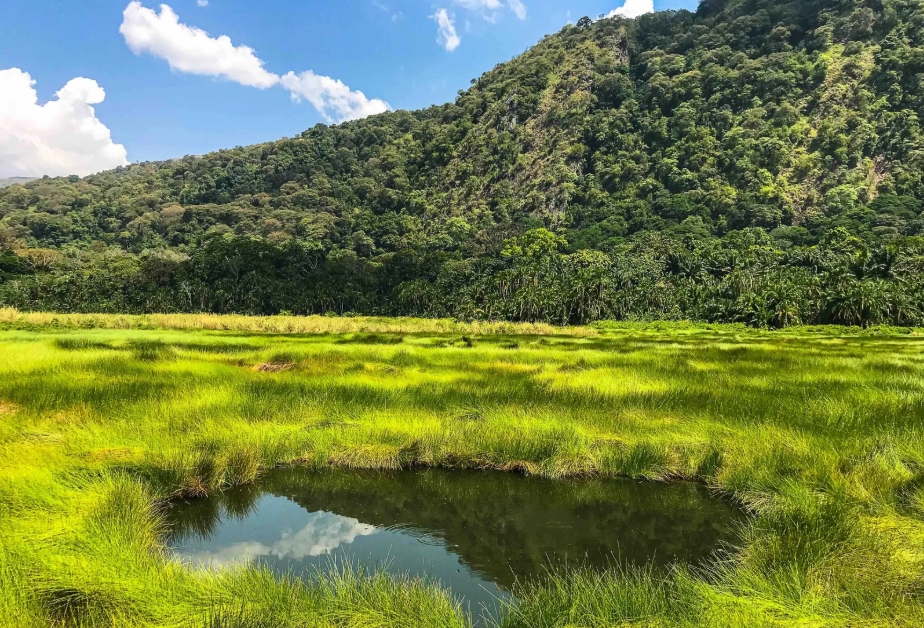
It also hosts up to 69 mammal species, 200 butterfly species, and 100 reptiles and amphibians. The presence of a mix of natural systems that provide habitats to the park’s rich biodiversity, such as wetlands, acacia woodlands, forests, lakes and savannah grasslands. The park’s rich biodiversity contributes to diverse activities that travellers can enjoy on their safari, like game drives, nature walks, horse riding, boat cruises, and cycling, among others. If you are looking for a true African safari, Lake Mburo must be added to your bucket list, as it promises exceptional safari experiences.
What Makes Lake Mburo National Park Unique
Rich Birdlife.
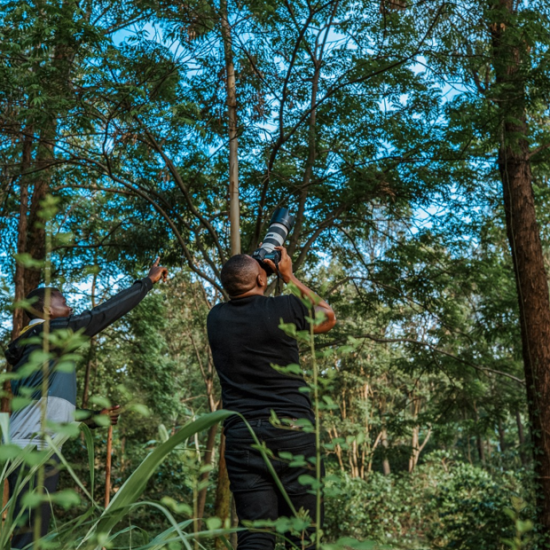
Lake Mburo National Park is one of the best bird watching destinations in Uganda, blessed with over 340 bird species such as forest birds, water birds, migratory birds, savannah birds, acacia dwelling birds and the park’s residents, which are found nowhere else. The park has different sites which are suitable for birding, like Warukiki marshes, Miriti marshes, Rubanga forest, and areas around Lake Mburo. Birds found in the park include White-backed Duck, Knob-billed Duck, Egyptian Goose, Spur-winged Goose, African Pygmy-Goose, Blue-billed Teal, Yellow-billed Duck, Red-billed Duck, Helmeted Guineafowl, Western Crested Guineafowl, Crested Francolin, Coqui Francolin, Ring-necked Francolin, Red-winged Francolin, Handsome Spurfowl, Scaly Spurfowl, Red-necked Spurfowl, Speckled Pigeon, Rameron Pigeon, White-naped Pigeon, Dusky Turtle-Dove, Mourning Collared-Dove, Red-eyed Dove, Ring-necked Dove, Vinaceous Dove, Laughing Dove, Emerald-spotted Wood-Dove, Black-billed Wood-Dove, Blue-spotted Wood-Dove, Tambourine Dove, Namaqua Dove, African Green-Pigeon, Black-bellied Bustard, Great Blue Turaco, Bare-faced Go-away-bird, Pied Cuckoo, Dideric Cuckoo, Klaas’s Cuckoo, Yellow-throated Cuckoo, African Emerald Cuckoo, Dusky Long-tailed Cuckoo, Barred Long-tailed Cuckoo, Black Cuckoo, Red-chested Cuckoo, African Cuckoo, Common Cuckoo, Pennant-winged Nightjar, Standard-winged Nightjar, Fiery-necked Nightjar, Swamp Nightjar, Plain Nightjar.
Rich Biodiversity.
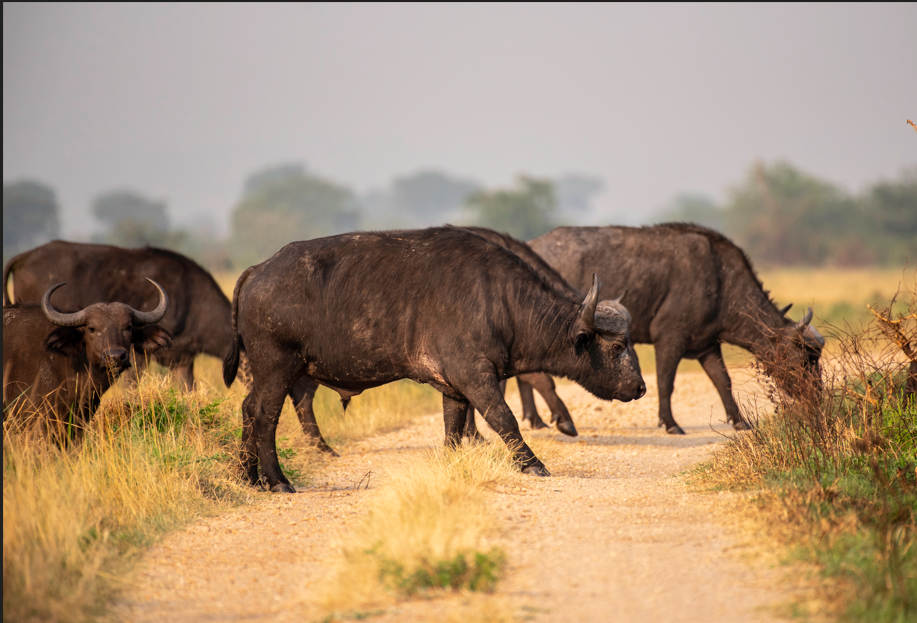
Rich biodiversity is one of the things that makes Lake Mburo National Park unique. The park’s rich biodiversity is supported by the presence of ecosystems like wetlands, lakes, savannah grasslands, acacia woodlands, and forests that provide habitats for various wildlife and bird species. Lake Mburo National Park hosts up to 69 mammal species, including zebras, giraffes, elands, warthogs, oribis, sitatungas, topis, elephants, buffaloes, vervet monkeys, hippos, reedbuck, bushbuck, impalas, Klipspringer, hyenas, leopard, serval, Honey badger, blue monkeys, bushbaby, African hare, spring hare, Bush squirrel, Rock hyrax, Mole rat, yellow winged bat, pangolin, long eared bat, serval, genet, duikers, bohor reed buck and more. It also has over 200 butterfly species, including Plain Tiger, Blue-spotted Charaxes, Green-veined Charaxes, Pearl Charaxes, Citrus Swallowtail, Blue Pansy, African Joker, Common Leopard, African Queen Mocker Aceaea, White-barred Charaxes, Common Diadem, and African Giant Swallowtail. Lake Mburo National Park has over 340 bird species, including savannah birds, migratory birds, acacia bird species, water birds, and the park’s residents.
Diverse Tourist Activities.
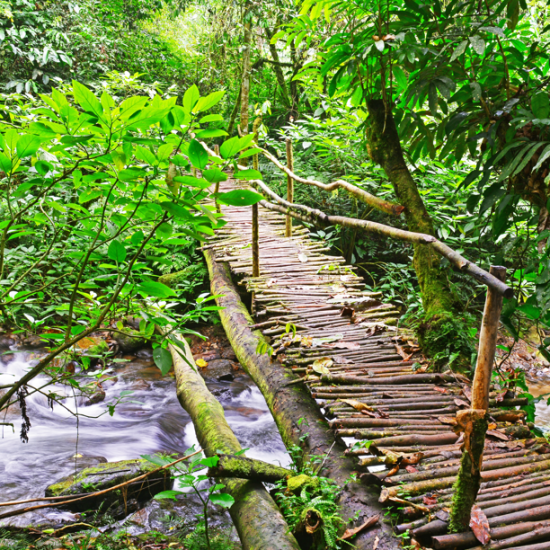
Lake Mburo National Park offers different tourist activities that cater to all travellers’ interests. Whether you want to immerse yourself in nature or seek adventure, the park promises unforgettable safari experiences on your safari. Visitors can do cycling, which allows them to explore the park’s stunning views and wildlife species, zebras, impalas, giraffes, and game drives and search for various wildlife species, including elephants, leopards, elands, giraffes, impalas, warthogs, and buffaloes. Bird lovers will find the park a paradise for bird watching with over 340 bird species, including Dusky Turtle-Dove, Mourning Collared-Dove, Red-eyed Dove, Ring-necked Dove, Vinaceous Dove, and Laughing Dove. They can also do nature walks, which allow them to explore the park on foot and to fully connect themselves in nature as they enjoy the breathtaking views of the park, horse riding, which allows them to explore the park without a car engine, boat cruises on Lake Mburo, sports fishing and walking safaris.
Easy to Access.
This is one of the top things that make Lake Mburo National Park unique: it’s the most accessible national park in Uganda, about 3- 4 hours drive from Kampala, the Capital city of Uganda, and it’s around 230 kilometres. The park’s accessibility favours travellers with limited time in the country or those who don’t want to travel long distances. This attracts thousands of travellers to explore the park’s stunning landscapes and its rich biodiversity.