Cycling Safaris in Lake Mburo National Park.
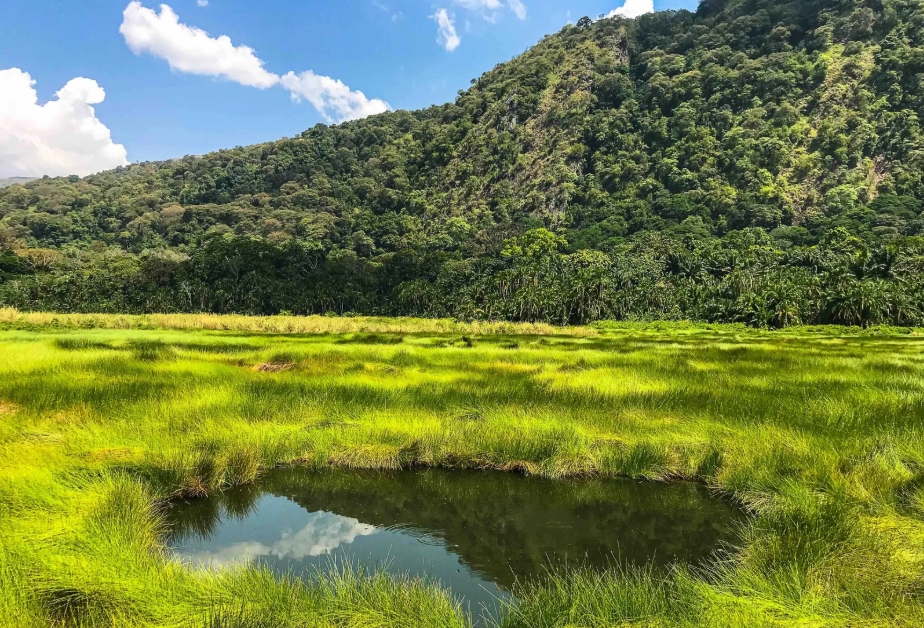
Cycling safaris in Lake Mburo National Park are one of the unexplored encounters in the park, yet rewarding. They offer the most unique wildlife experiences in Uganda, and Lake Mburo National Park is the only savannah park that offers cycling inside the park. Unlike normal game drives, cycling allows nature lovers to explore the park’s scenic savannah grasslands, acacia woodlands and rolling hills at a slower pace while enjoying encounters with various bird and animal species in their natural habitats. The park is situated in the western part of Uganda, and it’s the most accessible national park in Uganda, about 3- 4 hours drive from Kampala, the capital city of Uganda.
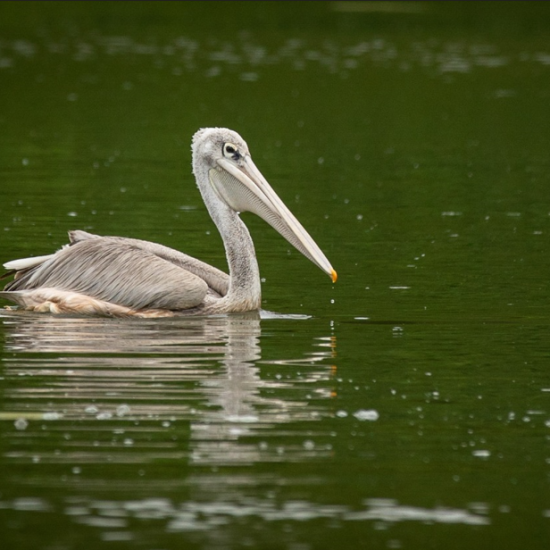
This is one of the most visited national parks in Uganda, famous for its rich biodiversity. It hosts up to 340 bird species, such as forest birds, savannah birds, water birds, migratory birds, acacia dwelling species and the park’s residents that are rare to find anywhere. It also hosts 69 mammal species, 200 butterfly species, and 100 reptiles and amphibians. Cycling can be combined with other activities like boat cruises, nature walks, horse riding, game drives, sport fishing and more. Cycling safaris in Lake Mburo National Park provide an exciting, eco friendly way to discover the beauty and wildlife of the park.
Cycling Safaris Experience in Lake Mburo National Park.
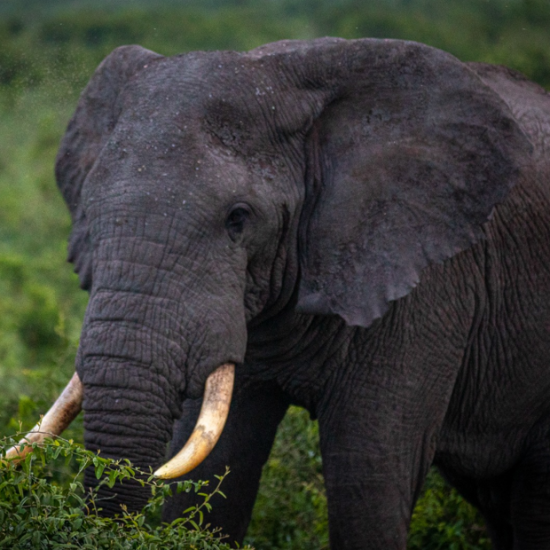
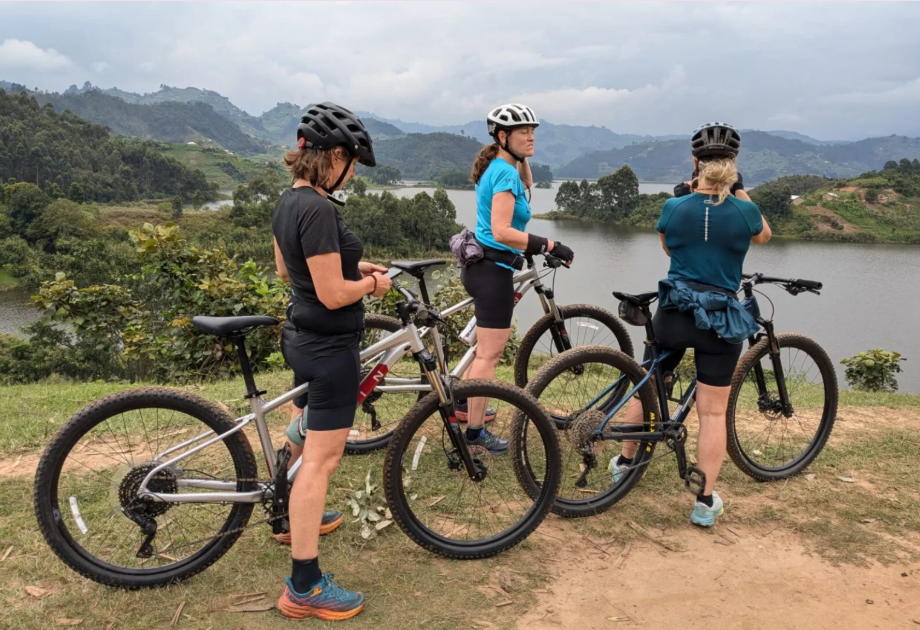
Cycling in Lake Mburo National Park is one of the best activities that offers a unique chance to travellers to explore the park’s rich biodiversity and stunning views. This is a guided activity led by an experienced park guide who gives insights about the park’s inhabitants encountered and armed rangers who ensure participants’ safety. It begins with a briefing about the rules and regulations of the activity at the park’s headquarters, and later they meet their assigned guides and rangers. The park has well-maintained tracks which are specifically used for cycling, and they have no dangerous animals. Visitors will enjoy the breathtaking views of the park, and they will encounter various animals like zebras, elephants, impalas, oribis, warthogs, elands, giraffes, topis, waterbucks, blue monkeys, vervet monkeys, olive baboons, and they will see countless birds like Speckled Pigeon, Rameron Pigeon, White-naped Pigeon, Dusky Turtle-Dove, Mourning Collared-Dove, Red-eyed Dove, Ring-necked Dove, Vinaceous Dove, Laughing Dove, African Green-Pigeon, Black-bellied Bustard, Great Blue Turaco, Bare-faced Go-away-bird, Pied Cuckoo, Dideric Cuckoo, Klaas’s Cuckoo, Yellow-throated Cuckoo, African Emerald Cuckoo, Dusky Long-tailed Cuckoo. Cycling safaris in Lake Mburo National Park take between 1 and 2 hours depending on your speed. It caters to all travellers, whether experienced cyclists or beginners. The quiet nature of cycling often allows visitors to get closer to wildlife than they would during the normal game drives.
What to Pack for Cycling Safaris in the Park.
Travellers coming for cycling safaris in Lake Mburo National Park should pack essentials to enable them to have a successful safari in the park. Consider packing a cycling helmet, insect repellent, a camera you wouldn’t like to miss out on taking pictures of the birds and mammals encountered, a pair of binoculars, a waterproof jacket, a waterproof backpack to keep your gadgets, sunscreen, sunglasses, comfortable shoes, water bottle.
What is the Best Time to do Cycling in Lake Mburo.
Cycling safaris in Lake Mburo National Park can be done throughout the year, but some months are better than others. The park receives two seasons: the dry season and the wet season. The dry season is the most preferred period by cyclists, which is from June to September and December to February. In this period, the park receives little to no rainfall, the tracks are less muddy and slippery, making it easy to penetrate. They can also visit during the wet season, which is from March to May and from October to November. They should note that during this period, the park receives rainfall and the tracks are muddy and slippery.