Birding Photography Safaris in Murchison Falls National Park.
Are you planning birding photography safaris in Murchison Falls National Park, this blog will guide you on what to expect on your safari in the park. It’s one of the premier destinations in Uganda for birding photography safaris, which give bird enthusiasts and photographers exceptional opportunities to capture countless colourful birds in their natural habitats. It’s situated in the northeastern part of Uganda, about a 4-5-hour drive from Kampala, the capital city of Uganda. The park is celebrated for being the second place in the country with the highest number of bird species, which allows photographers to capture various bird species that call this awesome park home.
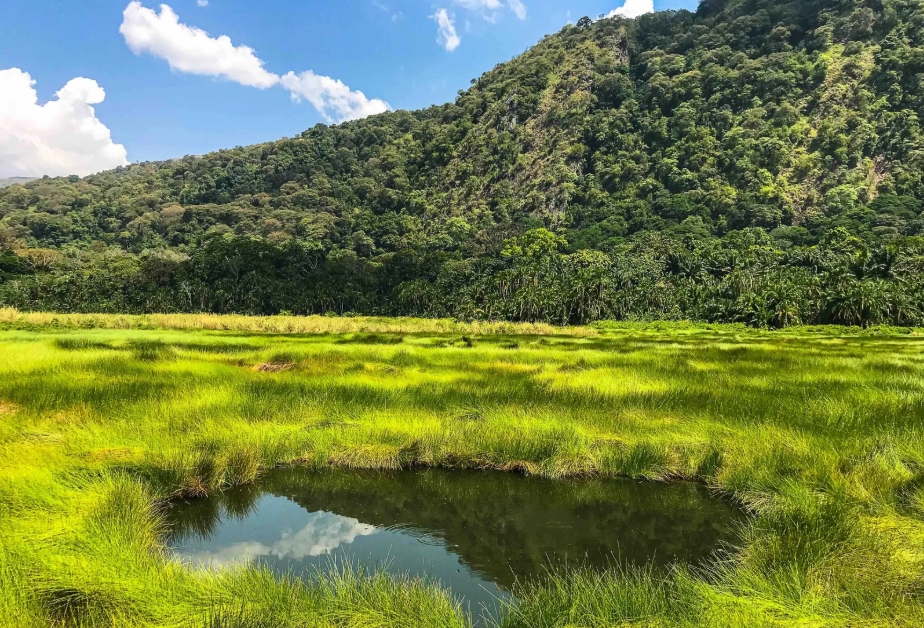
It’s home to over 452 bird species, including forest birds, Guinea-Congo biome endemics, water birds, savannah birds, migratory birds and the park’s endemic species, which are rare to find anywhere else. The park has a mix of ecosystems, such as wetlands, riverine forests, savannah grasslands, woodlands, and tropical forests, which provide habitats for various bird species. The park has various spots which are rich with avian life and provide great chances of capturing unique bird species like Kaniyo Pabidi, Busingyero, Royal Mile, Budongo forest, and areas along the Albert Delta. All of which provide unique photographic angles for various bird species.
Birding photography excursions are best done early morning and late afternoon, when birds are most active and light conditions are good to capture high quality imagines. Travellers can do game drives, nature walks, and boat cruises, all of which provide equal chances of encountering unique bird species. Whether you are an ornithologist or a professional photographer, Murchison Falls National Park promises remarkable encounters and unforgettable photographic moments along the mighty Nile.
Birds to Encounter on Birding Photography Safaris in Murchison Falls National Park.
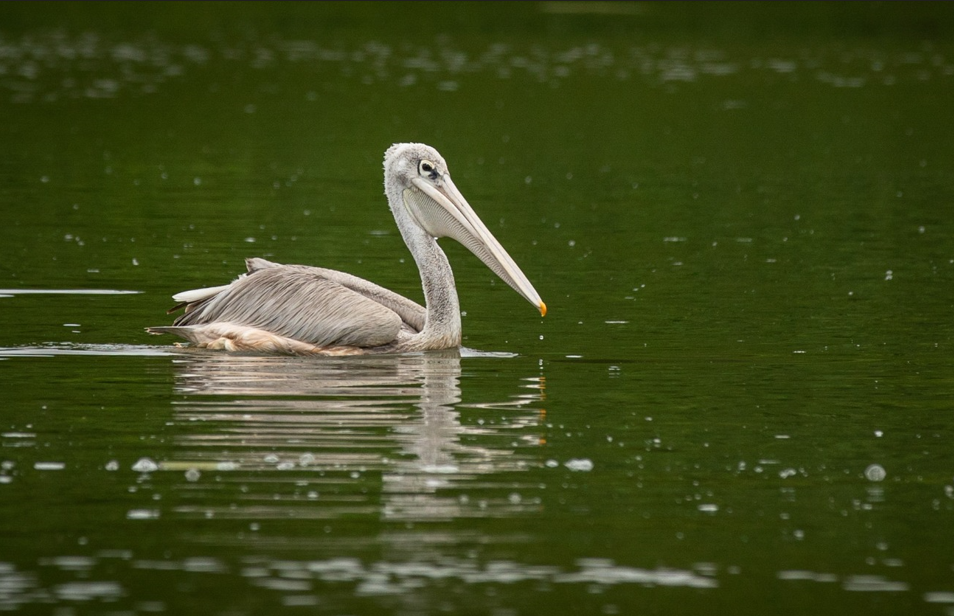
Bird lovers and photographers will find the park a haven for bird watching, with hundreds of bird species found in the park. Some of the birds they will encounter include Puvel’s Iliadopsis, Yellow-footed flycatcher, Rufous-sided Broadbill, Ituri Batis, Grey longbill, White-thighed Hornbill, Western-blacked-headed oriole, African Emerald Cuckoo, Brown-eared woodpecker, and Golden-crowned woodpecker, Abyssinian Ground Hornbill, shoebill, Red-throated Bee-eater, Denham’s Bustard, Secretary Bird, African Fish Eagle, Black-bellied Bustard, Northern Carmine Bee-eater, Grey Crowned Crane, Black-bellied Bustard, Piapiac, Black-headed Lapwing, Senegal Thick-Knee, Heuglin’s Francolin, White-browed Sparrow- Weaver, Speckle-fronted Weaver, Shelley’s Sparrow, Black-headed Gonolek, Red-winged Grey Warbler, White-fronted Black Chat, Red-billed Quelea, Red-necked Falcon, Abyssinian Roller, Martial Eagle, Marabou Stork, Lappet-faced Vulture, Palm-Vulture, Rock Pratincole, billed stork, African skimmer, Gull-billed stork, Comb Ducks, Eygptain Geese, Senegal thick knee, Malachite, Black-winged stilt, pied kingfisher, Lesser swamp warblers, sacred Ibis, Grey Heron, Ituri Batis, Lemon-bellied Crombec, Chocolate-backed, Blue-breasted and African Dwarf Kingfisher, White throated, Honey guide, Nahan’s partridge, Superb and Little Green sun, Western crested Guinea fowl, Grey-headed sunbird, Fire-chested Alethe, Brown-chested Alethe, Blue-throated Roller, Dusky Long-tailed Cuckoo, Chestnut wattle-eye, White-thighed Hornbill, Chinspot Batis, White-crested Turaco, Eastern Plantain-eater, Ross’s Turaco, Spotted Morning Thrush, Willow warbler, Green Crombec, Yellow-breasted Apalis, Red-faced Cisticola, Croaking Cisticola, Grey-capped Wrbler, Knob-billed Duck among others.
Things to Pack for Birding Photography.
Travellers planning their birding photography safaris in Murchison Falls National Park should pack the important items which will enable them to have a successful photography safari in the park. They should pack a camera with a telephoto lens for capturing distant birds, extra batteries, memory cards, binoculars, tripods, a waterproof backpack, and a rain cover to protect their equipment from unexpected rainfall. Don’t forget to carry comfortable waterproof hiking shoes, a rain jacket, insect repellent, sunscreen, a water bottle, a brimmed hat, a birding checklist, a power bank for charging devices, a headlamp, lightweight, long-sleeved shirts and trousers, and energy snacks.
What is the Best Time to Visit the Park for Photographic Safaris
Birding photography safaris in Murchison Falls National Park can be done at any time of the year, and the best time is determined by the individual’s travel plans. The park experiences two seasons: the dry season and the wet season. The wet season is the most liked season by birding photographers, which is from October to November and March to May. During this period, the park receives enough rainfall, and the park has enough food, which attracts various bird species. This is the period of the year when migratory bird species travel from Europe and Asia to the park, migrating away from the harsh weather conditions and searching for food. This is the breeding season of most bird species, and the park offers excellent chances of encountering various bird species since they don’t move deep in the forest in search of food. Visitors should be aware that during this period, the park is muddy. The dry season runs from June to September and from December to February. During this period, the park receives little to no rainfall, and the park is less muddy and slippery, making it easy to penetrate the park in search of various bird species.